
By Jordan Meadows
Staff Writer
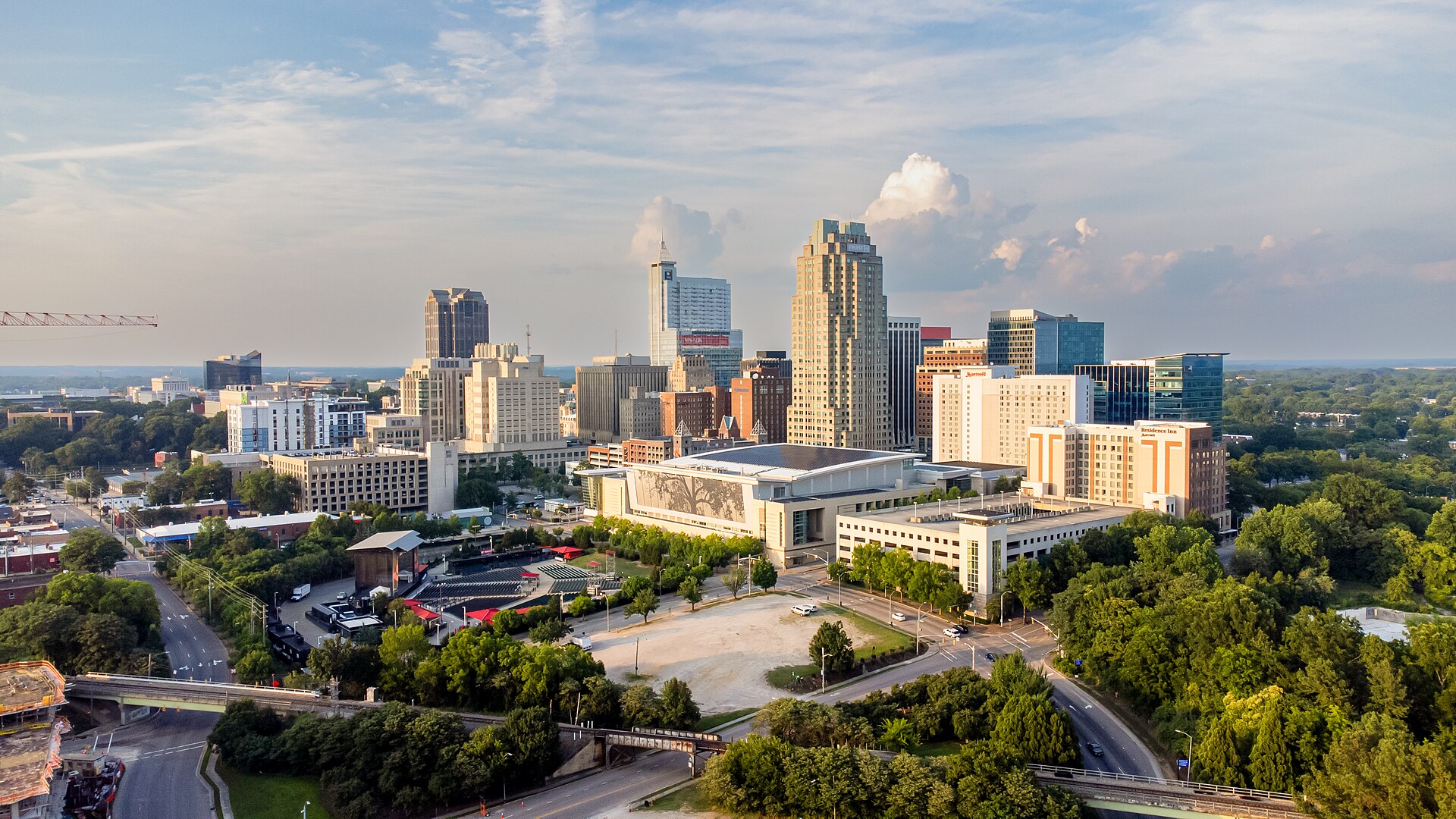
Shared renter households in Raleigh grew nearly 50% over the past decade, well ahead of Charlotte's 29% growth over the same period, tracking closely with the wave of young professionals the Triangle's job market has pulled in, according to a new study from StorageCafe.
The study found Raleigh's shared renter households now total nearly 19,000, a larger share of the local rental market than Charlotte.
Raleigh ranked No. 3 nationally in the study, ahead of New York, Boston and San Francisco, with roommates in the city saving roughly $8,100 a year by splitting a two-bedroom apartment rather than renting a one-bedroom alone. Roommates in Raleigh average 515 square feet of living space per person, and splitting rent drops a renter's housing-cost burden from about 28% of income to roughly 15%.
Citywide, about 17% of Raleigh renter households currently live with roommates.
Nationally, the study found nearly 5.6 million U.S. households, or about 12% of all households, now rent with roommates, a figure that has climbed 21% over the past decade. In the country's most expensive markets, including Irvine, California, and Jersey City, New Jersey, the roommate savings gap widens to around $13,000 a year.
43.5 million U.S. households now spend more than 30% of their income on housing, according to Harvard's Joint Center for Housing Studies. Generation Z accounted for the largest share of roommate households nationally, at about 46%, which the study attributed to early-career salaries, student loan payments, job mobility and a preference for living in pricier urban cores.
The study also pointed to self-storage as a factor easing roommate arrangements. A standard 5-by-5 storage unit averages $53 a month nationally, about 3% of average monthly rent, giving roommates a place for belongings that don't fit in shared space.
In Raleigh specifically, on-site storage is available in roughly 41,000 apartments, placing the city near the top nationally on that measure, and most apartment communities in the city offer roughly one parking space per bedroom.
The roommate trend comes as new apartment construction slows sharply across the Raleigh-Durham metro: developers broke ground on just 1,612 units in the first half of 2026, down roughly 62% from the 4,238 units started over the same period in 2025. The roughly 9,856 units still under construction skew heavily upscale, with about 78% of that pipeline classified as luxury inventory, clustering in Durham's University Hill and Trinity Park areas near Duke and along Raleigh's downtown-to-Midtown corridor stretching from the bus station district up through North Hills.
Renter demand in the Triangle continues to be fed by people moving in from outside the metro; more than 60% of apartment searches in Durham alone come from out-of-towners. The broader Triangle region is projected to absorb 500,000 new residents and 50,000 new tech jobs, and with the 30-year mortgage rate at 6.66%, many new arrivals are renting longer than they may have originally planned.
School district access remains a significant pull factor for families relocating to the area, with properties zoned to Wake County and Durham Public Schools.
Raleigh led all tracked cities in rental leases in June at just six days on market, with Garner, Durham and Cary close behind; Fuquay-Varina was the softest market, leasing in 13 days with rents up 0.4% month-over-month; Apex posted the sharpest rent correction at negative 2.6% month-over-month.
In Durham, one-bedroom apartments averaged $1,365 a month and two-bedrooms $1,606 as of January, with the city's overall average rent down 2.9% year-over-year and running about 16% below the national average. In Raleigh, one-bedrooms averaged $1,366 a month and two-bedrooms $1,605 in January, down 3.1% year-over-year.
The Raleigh-Cary metro ranked among the nation's most active builders in 2025, adding 5,884 new rental apartments, while Durham added 2,960.
