By Jheri Hardaway
Staff Writer
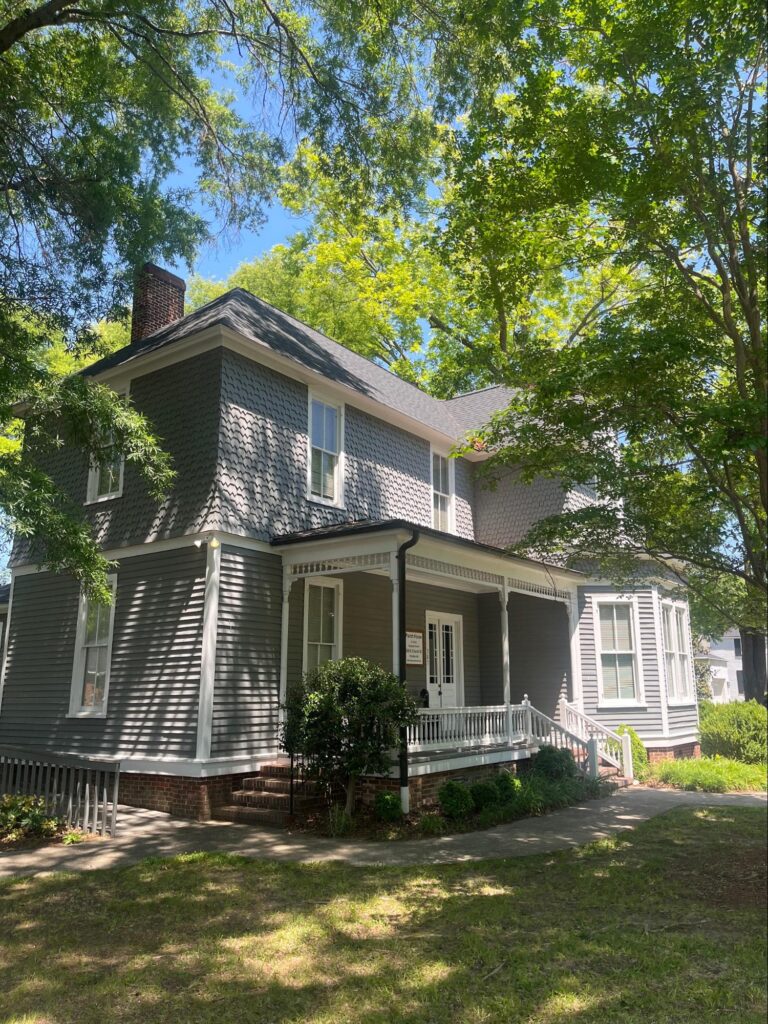
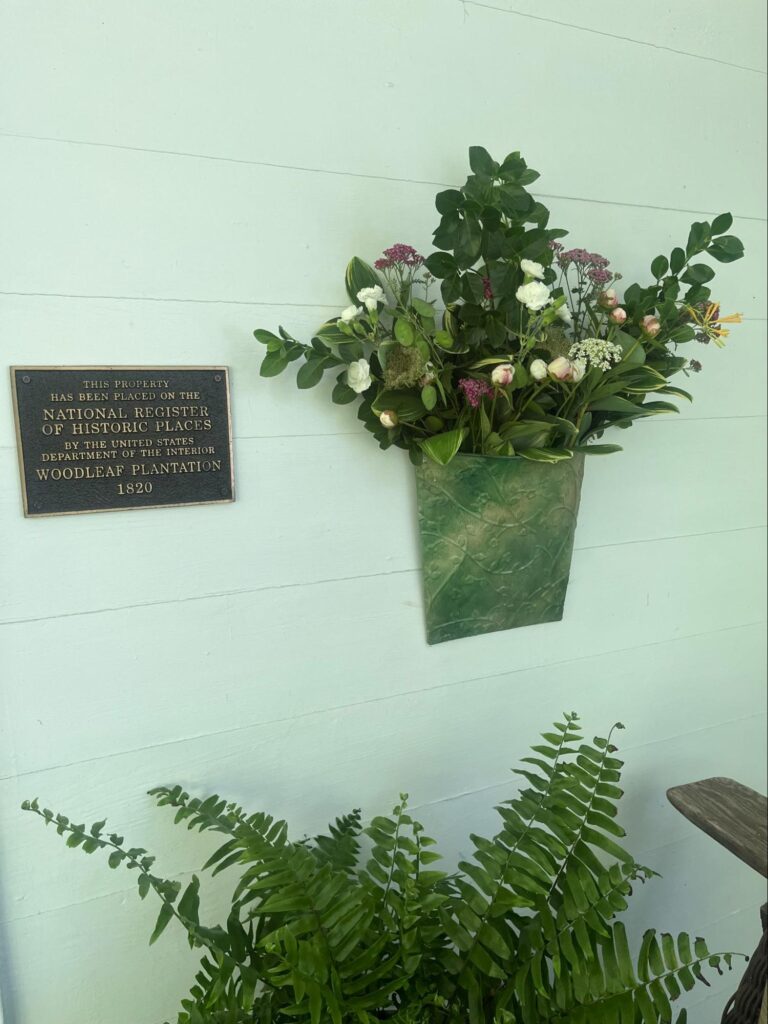
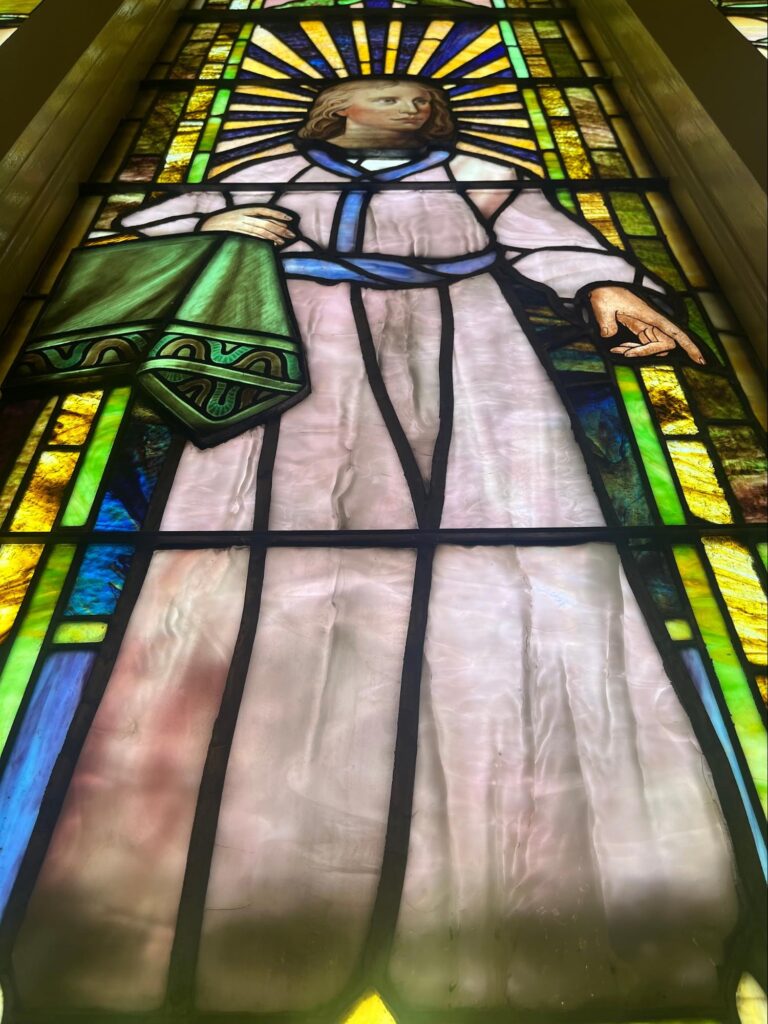
Franklin County, NC - Preservation North Carolina, or PresNC, has been Saving Places That Matter to the Diverse People of North Carolina Since 1939. As part of a recent historic "Ramble" in Franklin County, PresNC hosted visitors at several properties, including the Historic Perry’s School, several churches, and historic residences.
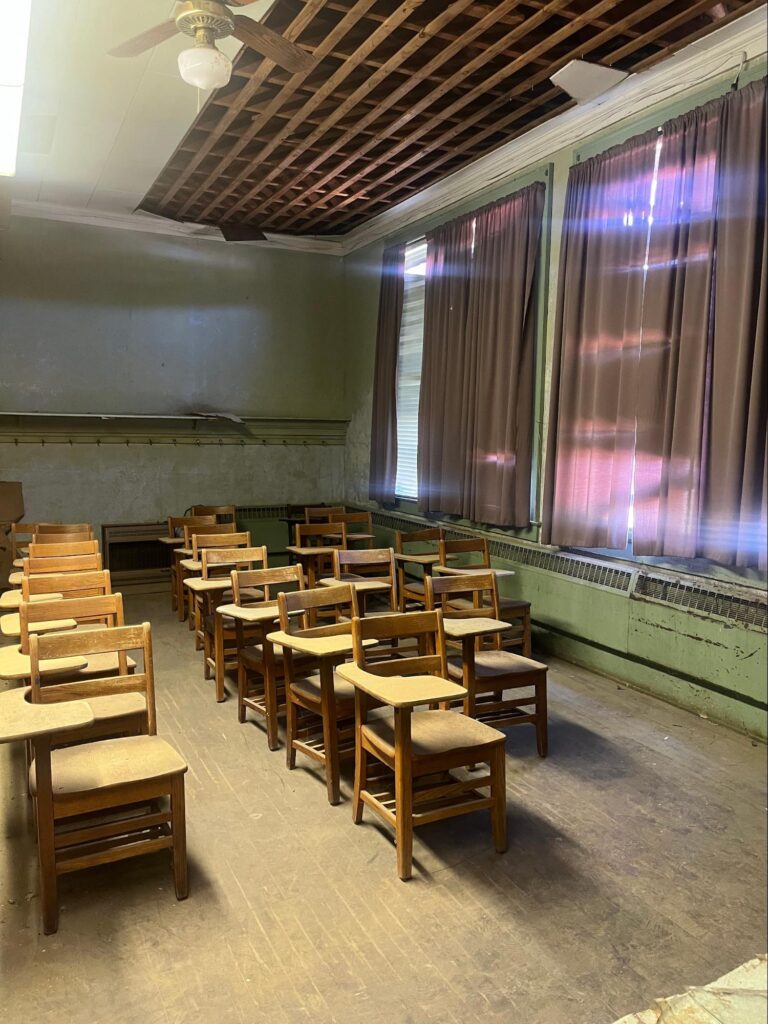
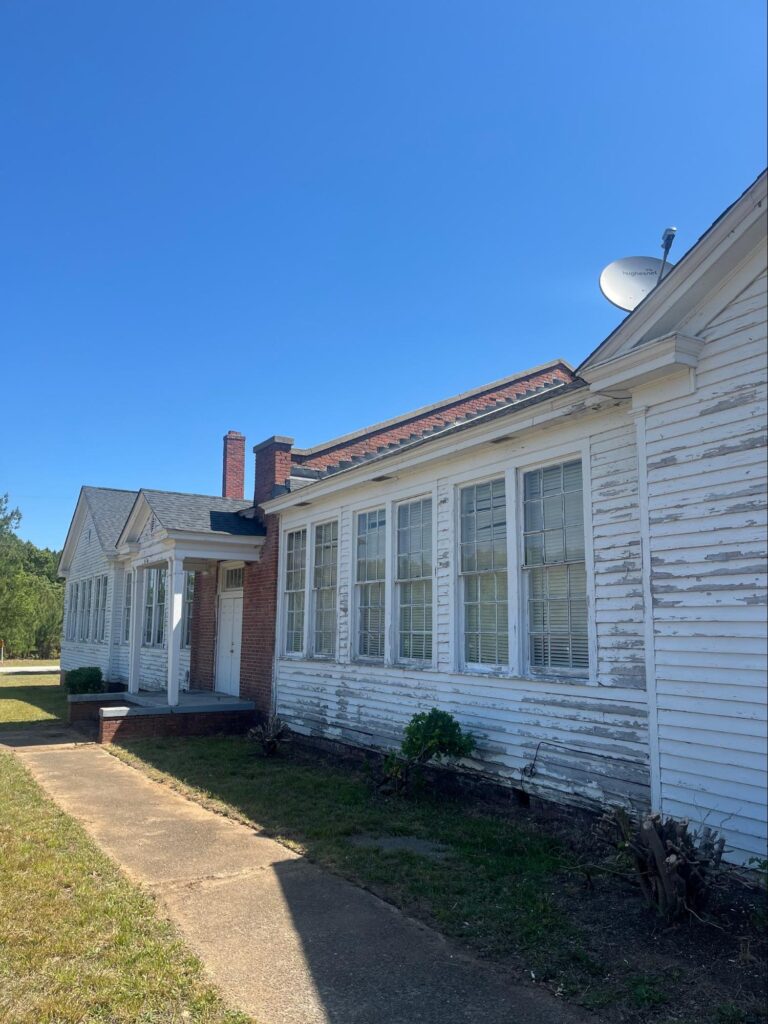
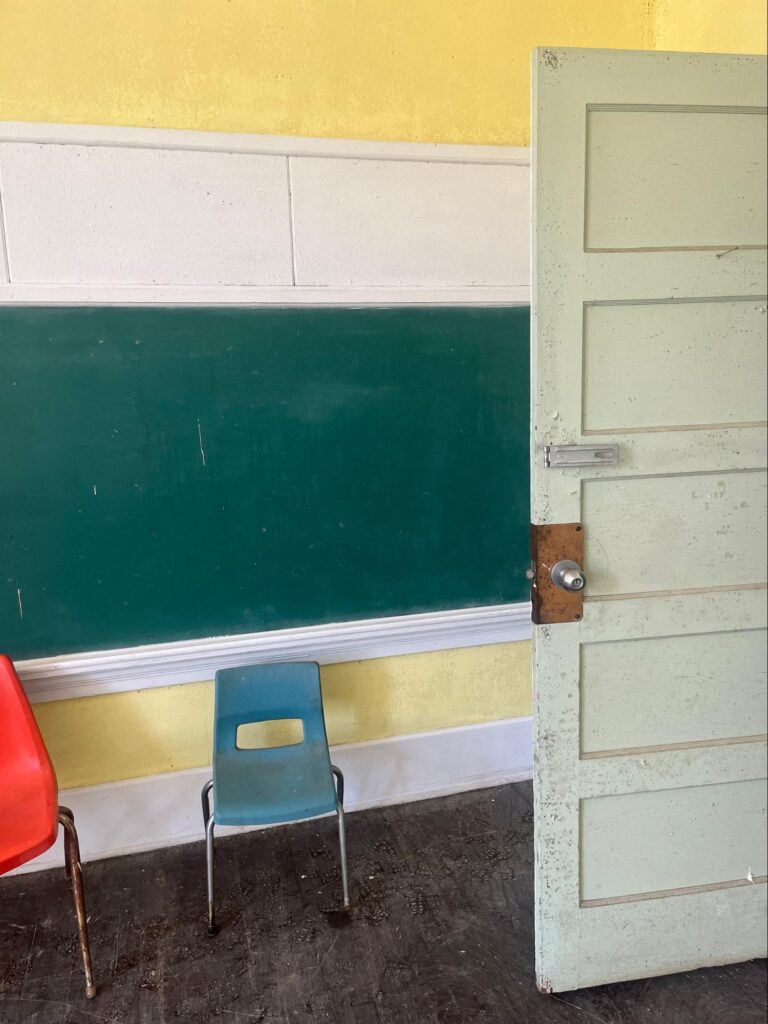
The day began with a tour of the historic Perry’s School educational complex in rural Franklin County. Standing as a monument to African American resilience, faith, and community determination, this sprawling site is a profound piece of North Carolina history currently waiting for its next chapter. “There was just so much love from your teachers,” an alumnus recalled, looking around the weathered remains of a classroom. “They really cared about you... I just like thinking about it. The good old days.”
Perry’s School has lived multiple distinct lives. Following emancipation, formerly enslaved families in Franklin County recognized that true freedom required empowering both "the heart for God, and then the mind." Communities built local churches and quickly established modest, one-room schoolhouses nearby to educate their children. Local white landowner Joshua Perry donated the acreage to build the first school. In the 1920s, philanthropist Julius Rosenwald partnered with Booker T. Washington to build thousands of state-of-the-art schools for Black children across the South. A larger Rosenwald frame structure was erected to accommodate the growing student population.
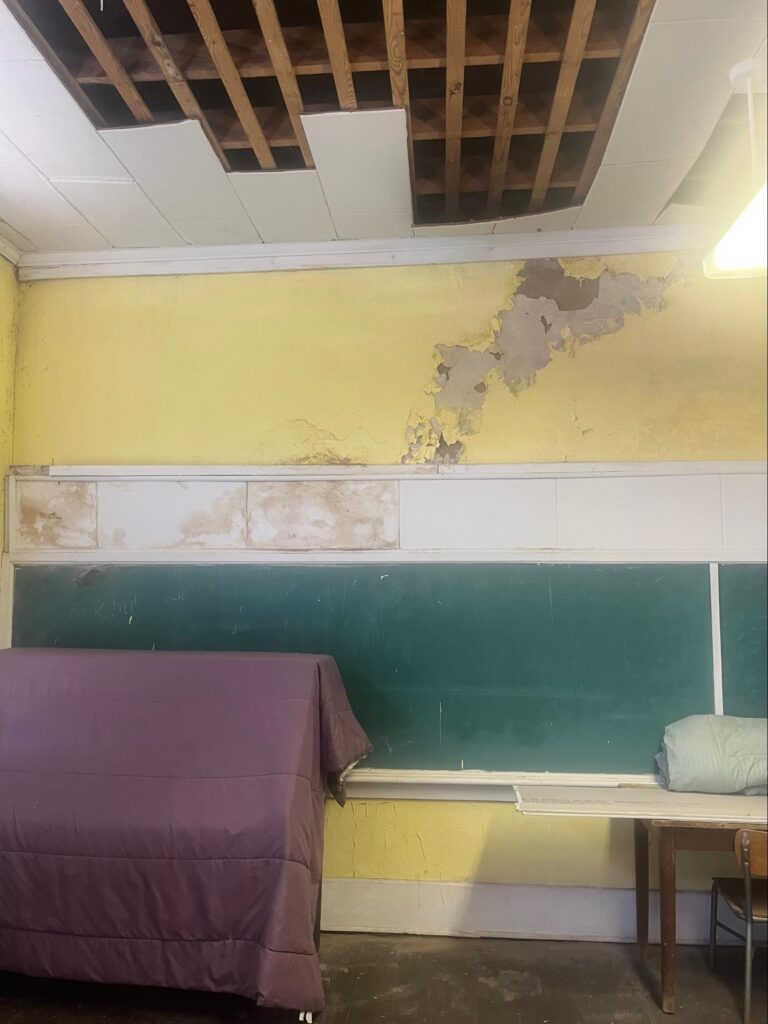
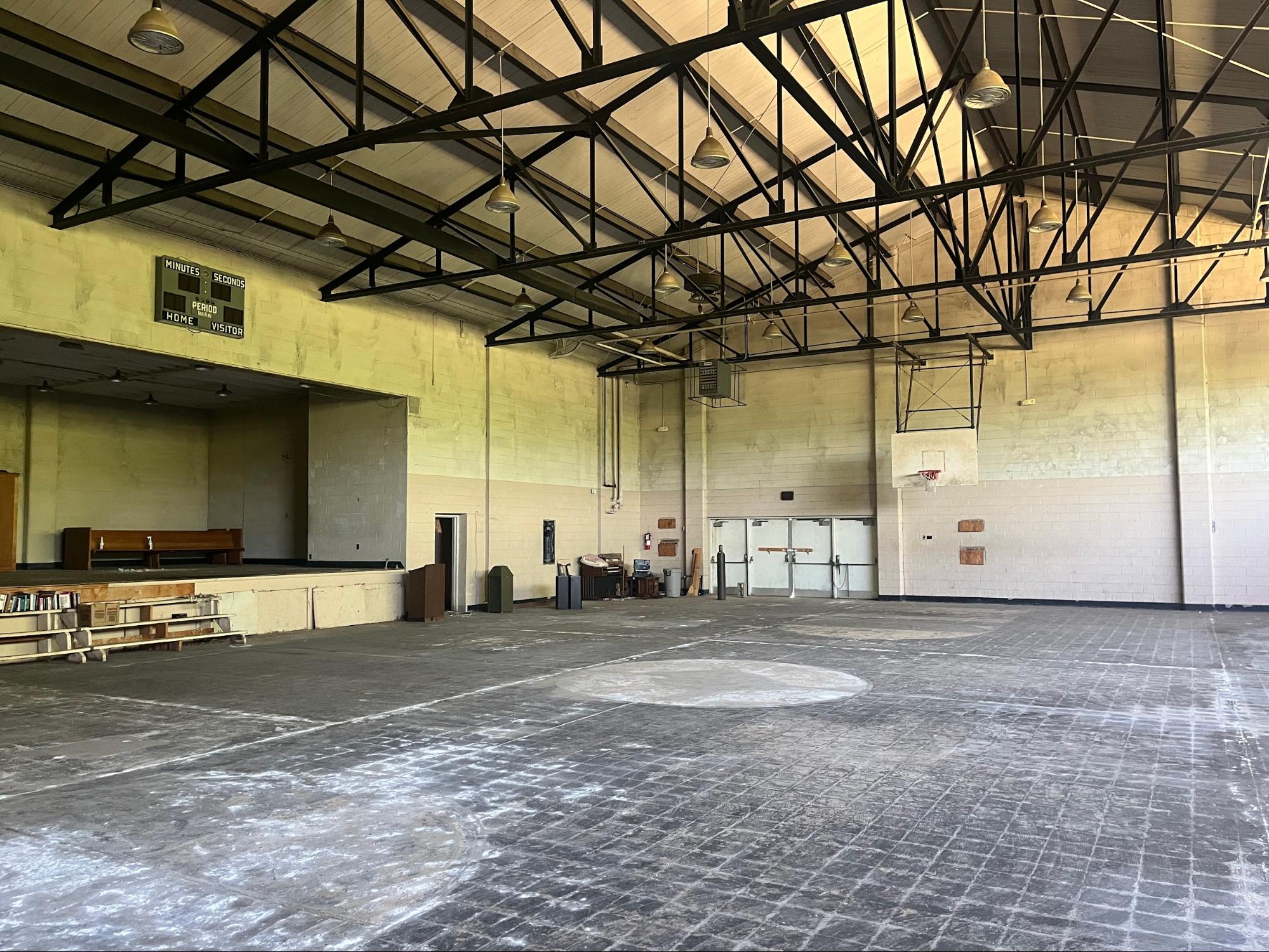
In 1949, a modern white school building was constructed, followed by a concrete block addition in 1953 and a gymnasium in 1963. Buses traveled massive distances across the county to bring Black students to the high school. Following integration in 1968, the county stripped the historic "Perry’s" name from the high school, re-designating the facility as K-5 Gold Sand Elementary before it permanently closed its doors in 1990. Today, the vacant campus stands in a delicate state of limbo. Since its closure in 1990, the building has faced severe challenges. Vandals have shattered windows, and roof leaks have allowed water to warp the walls of the old library. "It's amazing what water does," a rambler observed, looking up at the peeling ceilings. Yet, the bones of the structure remain remarkably resilient, and the passion of the community has not faded. To save Perry's School from total deterioration, local leaders and PresNC are looking toward the future with a clear strategy. PresNC and local advocates are currently exploring avenues for grants, funding, and adaptive reuse to prevent this irreplaceable asset from being lost to time.
What began as a grassroots effort to educate Black children after slavery is now on its fourth life, transitioning from a beloved community beacon to an abandoned structure, and hopefully, now towards an empowered future of preserved legacy. During the tour, alumni shared vibrant memories of what it was like to be a student at Perry's during the 1950s and 60s. The school was a true community sanctuary. One former student pointed out the first-grade classroom and fondly remembered her teacher, Ms. Suit. "We were poor then and couldn't afford to buy dresses," she shared, pointing to an old sewing machine left in the room. "We would wash flour sacks and bring them, and she would make us a dress for the Mayday play."
The school principal, Mr. Wilson, was remembered as a loving but firm figure. "All he had to do was walk into a class," a former student laughed. "He didn't have to say one word. You were gonna be quiet." More than anything, the school reinforced a foundational network of character training shared between the home, the church, and the classroom. Every morning before class, students participated in devotionals featuring scripture readings and spiritual songs.