
By Judaea Ingram
Special To The Carolinian
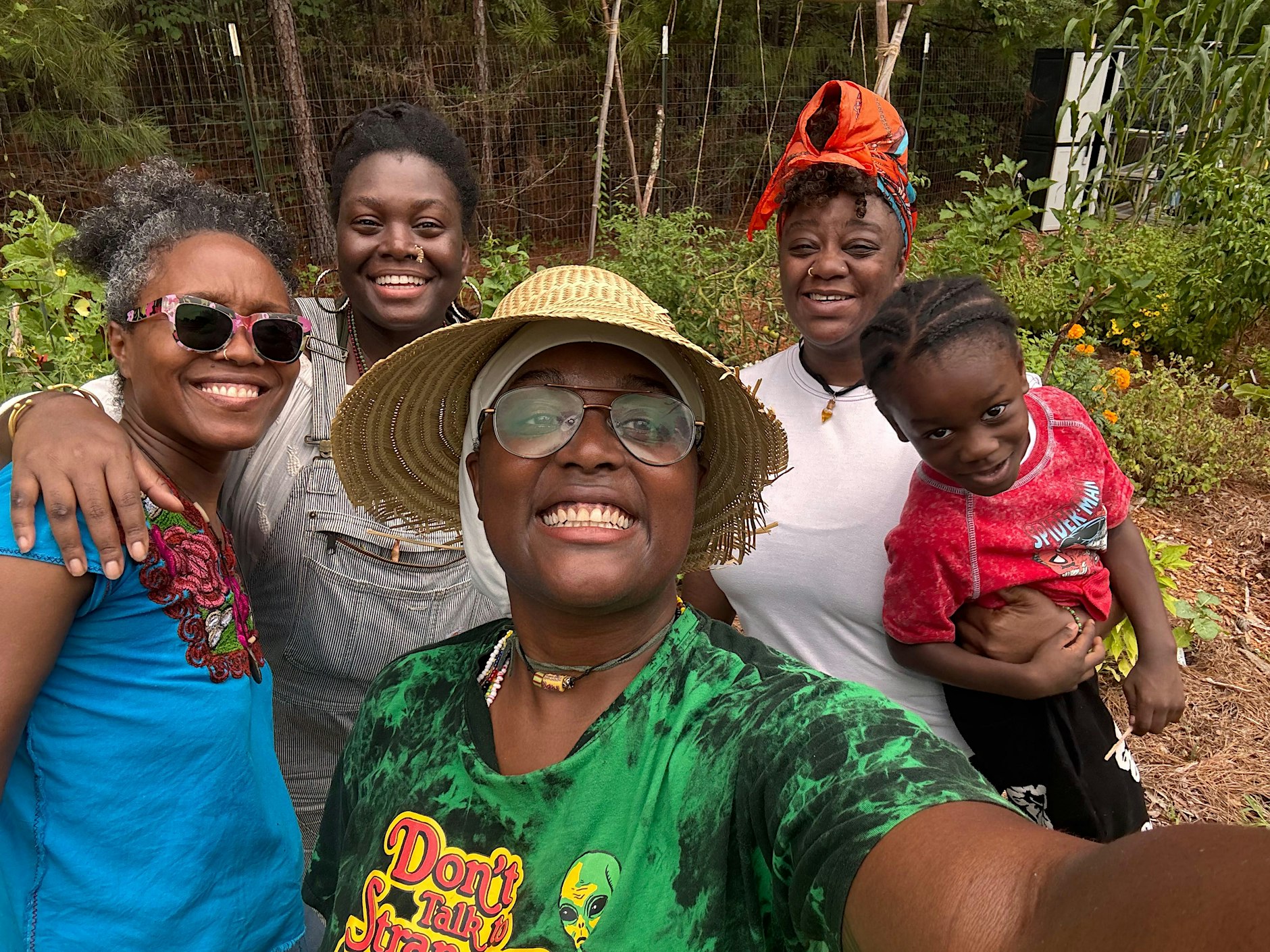
DURHAM, N.C. — In a garden in North Durham, restoration means more than planting vegetables. It means reconnecting with the land, building community, sharing food and creating space for Black people to slow down and reconnect with themselves and one another.
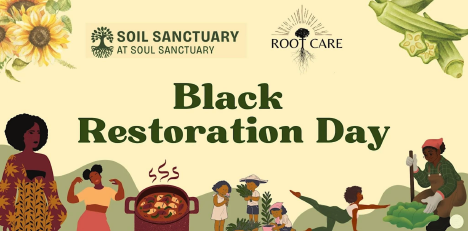
Those ideas came together Sept. 13 at Soul Sanctuary during Black Restoration Day, a community celebration centered around Soil Sanctuary, a garden collective in North Durham.
The afternoon brought people together for garden tours, food, movement and opportunities to connect with the land. The event was designed as a family-friendly gathering for Black, African, Caribbean and diasporic communities.
At its core, the event asked a simple but significant question: What does restoration look like for Black communities?
For organizers, one answer can be found in the soil.
Soil Sanctuary is a garden space stewarded by Black women and nonbinary people. The space creates an opportunity for community members to engage with growing food and caring for the land while also creating connections that extend beyond the garden itself.
The emphasis on land carries particular weight in Black communities.
For generations, Black Americans have had their relationships with land shaped by slavery, displacement, discriminatory housing policies and unequal access to property ownership. At the same time, agriculture, gardening and food traditions have remained important parts of Black cultural life.
Black Restoration Day placed those histories alongside a more present-day vision: creating spaces where Black people can gather, grow and restore.
The event also reflected a broader understanding of environmental justice. Environmental justice is often discussed through pollution, climate change and access to clean air and water. But for communities organizing around restoration, it can also mean having access to green spaces, healthy food and places where people can develop a relationship with the environment.
The North Carolina Environmental Justice Network, which listed the event, describes its work as supporting communities in addressing environmental justice and developing community-driven solutions.
That community-driven approach was visible in the structure of Black Restoration Day. Rather than treating environmental work as something separate from culture or community, the gathering connected the land with food, movement, family and collective care.
For participants, a garden can become more than a place to grow food. It can become a gathering place, an educational space and a way to pass knowledge between generations. That is particularly important as Durham continues to change.
The city has experienced significant growth and development, creating new opportunities while also raising questions about affordability, displacement and who gets to benefit from the city's growth.
Spaces such as Soil Sanctuary offer a different model of community development, one centered on relationships and collective stewardship rather than simply economic growth.
Black Restoration Day also highlighted the importance of rest. For communities that have historically carried the weight of racial discrimination and economic inequality, restoration can mean intentionally creating opportunities for joy, reflection and connection.
The event's focus on food and the land also creates an opportunity to think about where food comes from and who has access to growing it.
Gardening can reconnect people with traditions that have existed across generations while giving younger members of the community an opportunity to learn through participation. In that sense, restoration becomes both physical and cultural.
The Sept. 13 gathering was only one afternoon, but its larger message reaches beyond the event itself.
The work of restoring a community can happen in many forms. Sometimes it happens through advocacy. Sometimes through preserving history. And sometimes, it happens by putting hands in the soil, sharing a meal and creating a place where people feel connected.
For Durham's Black community, Soil Sanctuary represents one of those spaces. Black Restoration Day offered a reminder that caring for the land can also be a way of caring for one another.
