
By Jordan Meadows
Staff Writer
Recent inmate escapes and security incidents across North Carolina have renewed attention on how correctional facilities track and respond to escapes.
The North Carolina Department of Adult Correction (DAC) and local sheriff’s offices track several types of escapes each year, including inmates leaving secure facilities, walking away from minimum-security work assignments, and failing to return from approved medical appointments. According to historical data compiled by the UNC School of Government, hundreds of inmates have escaped from North Carolina correctional facilities since 1947, but only a small number have remained unaccounted for: fewer than 10.
Most escapes recorded annually by the state involve minimum-custody offenders rather than traditional prison breakouts. Inmates at minimum-security facilities may work outside facility grounds on assignments such as road crews or maintenance projects, creating opportunities for “walk-offs” when an inmate leaves without authorization. Those incidents are generally resolved quickly, with many offenders captured within hours or days.
Escapes involving medium- or close-custody facilities, armed transportation, or other high-security situations are far less common and typically result in immediate law enforcement responses.
The North Carolina Department of Adult Correction has implemented additional security measures aimed at reducing risks during inmate transportation. The department’s 2025 annual report documented the rollout of specialized body-worn camera equipment for correctional staff involved in transporting high-risk offenders.
Recent incidents have included both traditional escapes and larger security emergencies.
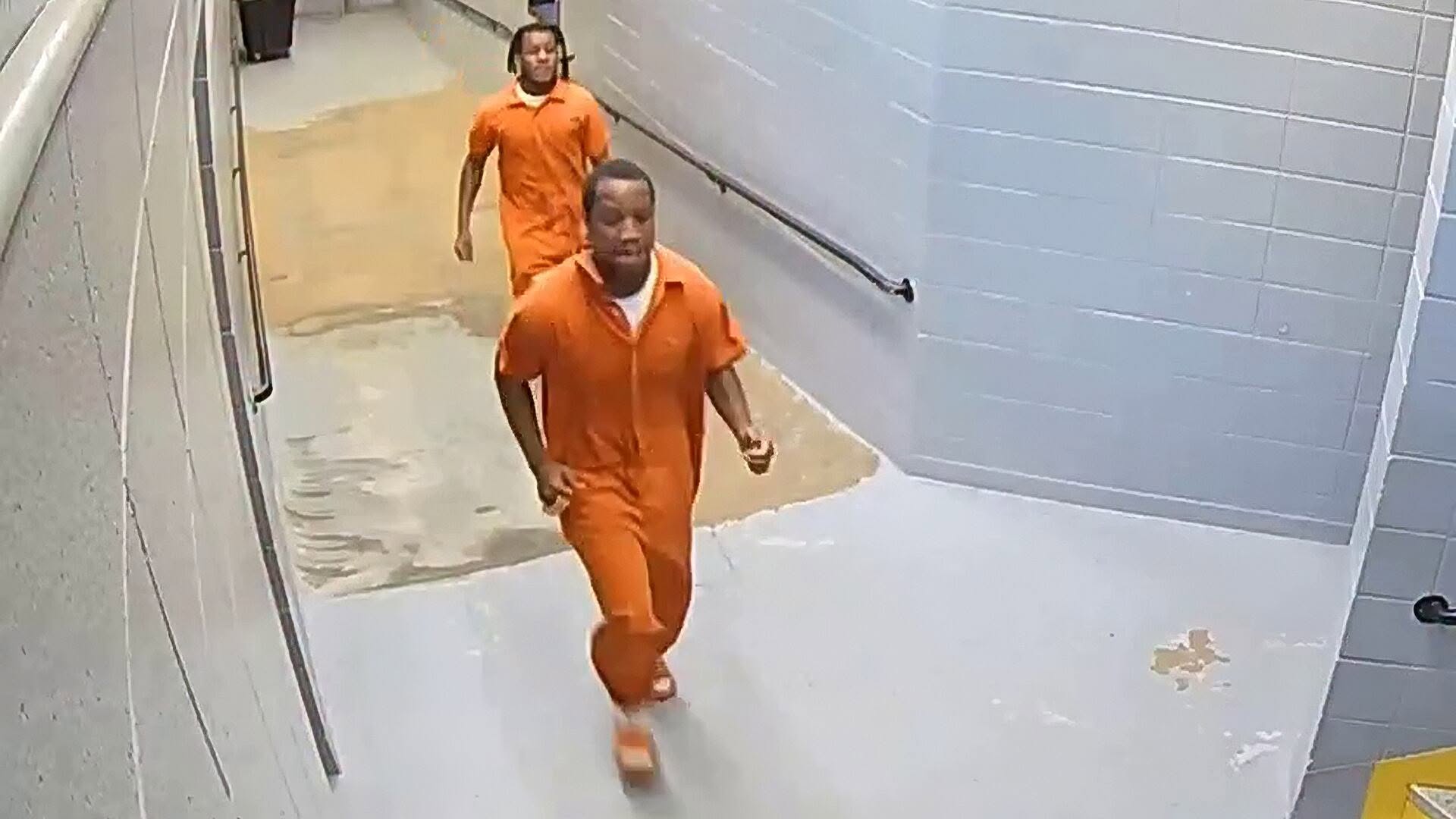
On June 3, inmates aged 33, and 21 escaped from the Vance County Detention Center while facing drug trafficking and firearm-related charges. Authorities said the two inmates ran through a hallway while un-handcuffed and left the facility with assistance from an outside person. A multi-agency search ended six days later when authorities located and arrested both men at a residence in Asheville, more than 200 miles from the detention center.
Vance County Sheriff’s officials said the escape was planned and that the inmates received outside assistance. Following the incident, questions were raised about conditions at the detention center after state inspection records identified issues including broken or missing locks, defective doors, holes in walls, and concerns with supervisor tracking procedures.
Another escape occurred July 24 at Forsyth Correctional Center in Winston-Salem. The North Carolina Department of Adult Correction said a 35-year-old inmate escaped the minimum-security facility that morning. Authorities located him later that afternoon at a residence on Indiana Avenue, a short distance from the correctional center. DAC officers and Winston-Salem police took him into custody, and he was transferred to Central Prison in Raleigh. Officials said he would face a felony escape charge.
In addition to escapes, North Carolina officials have responded to other correctional security incidents, including a June 29 takeover at the Bertie-Martin Regional Detention Center in Windsor. Authorities said inmates overpowered correctional staff and took control of parts of the facility, holding two detention guards hostage during a nine-hour standoff.
The incident prompted a response involving local law enforcement, the North Carolina State Bureau of Investigation, and the FBI. Negotiators secured the release of the guards, and tactical teams later entered the facility and regained control. All 88 inmates housed at the facility were transferred to other correctional facilities following the incident.
Separately, recent changes involving public access to arrest information have created confusion about whether North Carolina is removing inmate records from public view. The changes involve local arrest and mugshot databases rather than state records of convicted prison inmates.
Wake County announced that it will deactivate its public online arrest and mugshot portal on Aug. 17, 2026. County officials said the decision followed changes related to the state’s Second Chance Act, which expanded expungements for certain criminal charges. Officials said local systems were not automatically notified when records were cleared by the state, causing some online portals to continue displaying information that had legally been expunged.
