

ECU Health / Conetoe Family Life Center
Chronic diseases such as diabetes, heart disease, obesity, and cancer continue to place a heavy burden on the United States healthcare system. These conditions affect millions of Americans and account for the majority of healthcare spending. Although medical treatment has advanced significantly, many chronic illnesses are closely linked to poor nutrition and limited access to healthy foods. This has led healthcare professionals and policymakers to promote the Food Is Medicine (FIM) approach, which recognizes nutritious food as an essential part of disease prevention and treatment rather than simply a source of calories.
A healthy diet plays a vital role in maintaining overall wellness and reducing the risk of chronic disease. However, many individuals experience food insecurity, meaning they do not have consistent access to affordable, nutritious foods. Financial hardship, unemployment, health problems, and limited community resources often prevent families from purchasing healthy meals. During the COVID-19 pandemic, food insecurity increased dramatically as many households faced job losses, higher living costs, and disruptions in the food supply. These challenges contributed not only to poor physical health but also to higher rates of anxiety, depression, and stress.
The United States has several federal programs designed to reduce hunger, including the Supplemental Nutrition Assistance Program (SNAP), the Women, Infants, and Children (WIC) Program, school breakfast and lunch programs, and community meal services. These programs help millions of Americans access food and improve nutrition. However, they generally focus on providing food rather than selecting foods that are specifically designed to prevent or manage chronic diseases. While they are effective in reducing hunger, they often do not provide individualized nutrition support for people with medical conditions.
The Food Is Medicine Initiative works differently. It builds on traditional food assistance by integrating nutrition directly into healthcare. Instead of offering general food support, these programs provide foods selected to meet the medical needs of patients. Healthcare providers may prescribe specific meals or healthy foods as part of a patient's treatment plan, recognizing that proper nutrition can improve health outcomes alongside medical care.
Three major Food Is Medicine interventions include:
—Medically Tailored Meals (MTMs): Fully prepared meals designed by registered dietitians for individuals with serious chronic illnesses who may be unable to cook.
—Medically Tailored Groceries (MTGs): Grocery packages containing nutritious ingredients for individuals who can prepare meals at home.
—Produce Prescription Programs: Vouchers or debit cards that allow patients to purchase fresh fruits and vegetables at grocery stores or farmers' markets.
Research has shown encouraging results from Food Is Medicine initiatives. Participants often experience improved food security, healthier eating habits, and greater consumption of fruits and vegetables. Individuals with conditions such as type 2 diabetes have demonstrated improvements in blood sugar control, while many participants report reduced stress and a higher quality of life.
Medically Tailored Meal programs have also been associated with fewer hospital admissions and lower healthcare costs. Some studies found significant reductions in emergency care, inpatient visits, and overall medical spending after patients received medically tailored meals. Produce prescription programs have similarly helped families increase fruit and vegetable intake while improving nutrition among children, pregnant women, and adults with chronic diseases.
Despite promising results, Food Is Medicine programs remain limited in availability. Many rely on short-term grants and serve only a small number of eligible participants. Other barriers include transportation difficulties, limited access to farmers' markets, lack of cooking equipment, cultural food preferences, and low health literacy. In addition, healthcare providers may not receive enough nutrition education during their training, making it less likely that patients will be referred to these programs.
Expanding insurance coverage, increasing nutrition education for healthcare professionals, improving access to registered dietitians, and creating culturally appropriate meal options could help overcome these challenges. Larger, long-term research studies are also needed to better understand the lasting effects of Food Is Medicine programs.
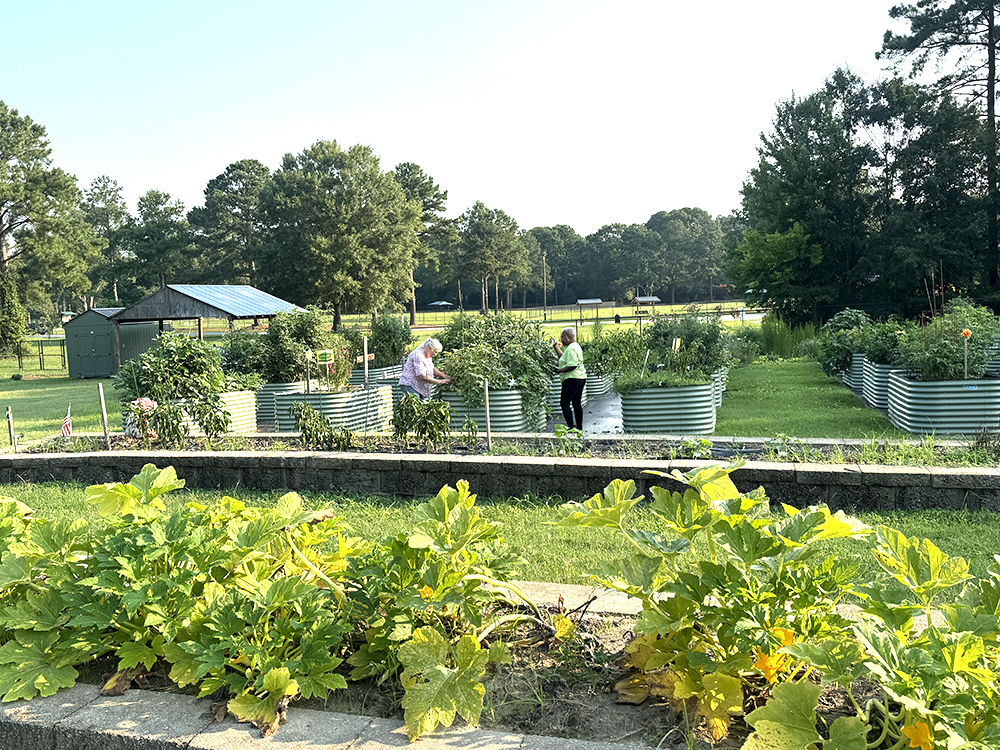
ECU Health is partnering with Conetoe Family Life Center to implement a Food is Medicine program at the Pinetops ECU Health Clinic. The goal is to provide produce to underserved residents in Edgecombe County who have chronic diseases. They are looking to connect community members with food that will improve their overall health and the health of their families.
As of today, Conetoe Family Life Center distributes about 200 food boxes to families each week to the Edgecombe County community.
The Food Is Medicine initiative represents a shift in healthcare by recognizing nutrition as an important component of disease prevention and treatment. Rather than replacing medical care, Food Is Medicine complements traditional healthcare by addressing one of the root causes of many chronic illnesses: poor nutrition. Evidence suggests that medically tailored meals, healthy groceries, and produce prescription programs can improve health outcomes, reduce food insecurity, and lower healthcare costs. As research continues to grow, expanding these programs through healthcare systems and public policy could improve the health and well-being of millions of Americans while creating a more preventive and cost-effective healthcare system.
