By: Jordan Meadows
Staff Writer
An estimated 40,000 people packed Fayetteville Street in downtown Raleigh over Labor Day weekend for the 17th Annual African American Cultural Festival of Raleigh & Wake County.
First established in 2010, the festival has grown into one of the region's premier cultural events and a major driver of Labor Day weekend tourism, drawing families, artists, tourists, and local leaders from across North Carolina and the country, along with a major contingent from the Black Chamber of Raleigh.
This year's theme, "Rooted in Community, Anchored in Legacy," centered on the festival's Legacy Wall, a public installation that let attendees post the names and stories of ancestors, local pioneers and community organizations, building what organizers described as a living historical archive along Fayetteville Street.
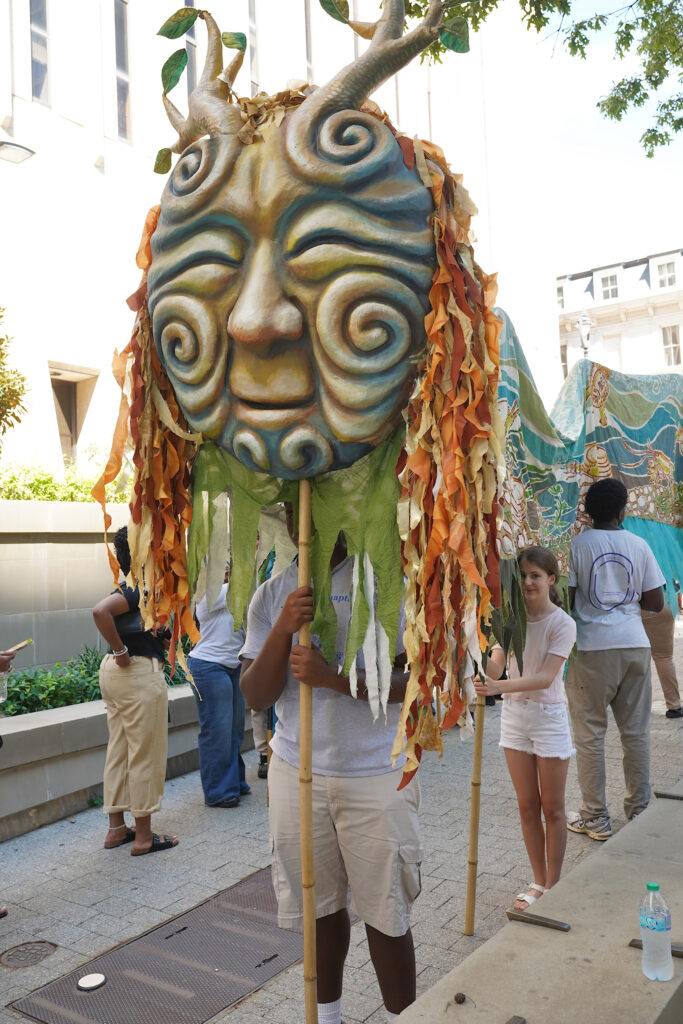
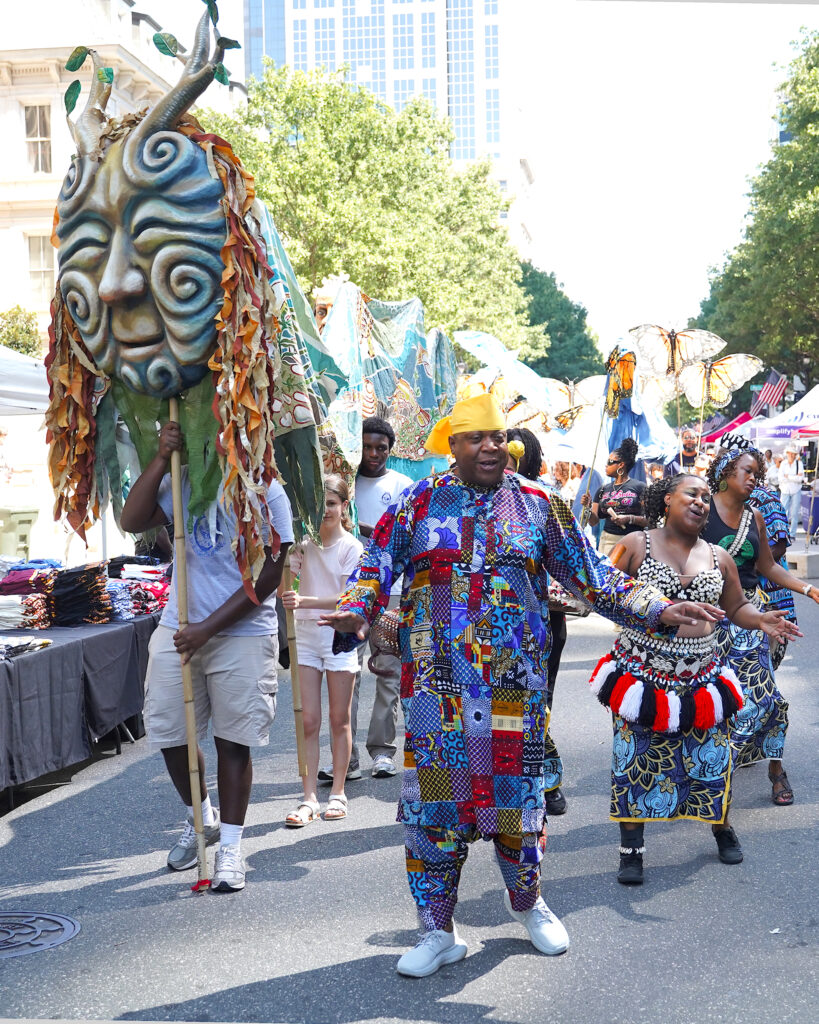
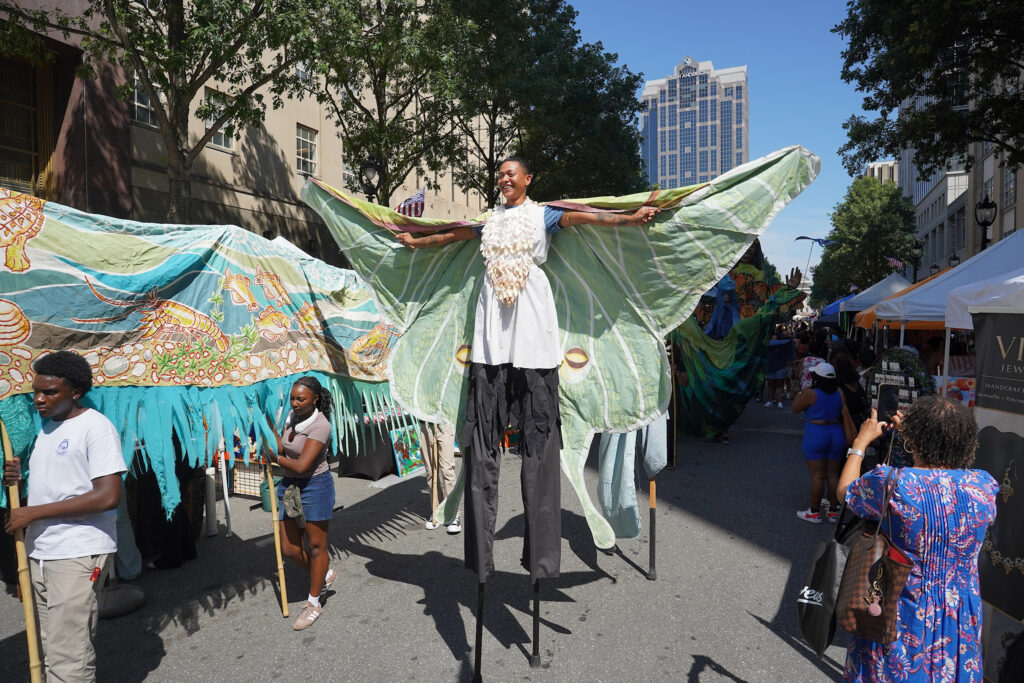
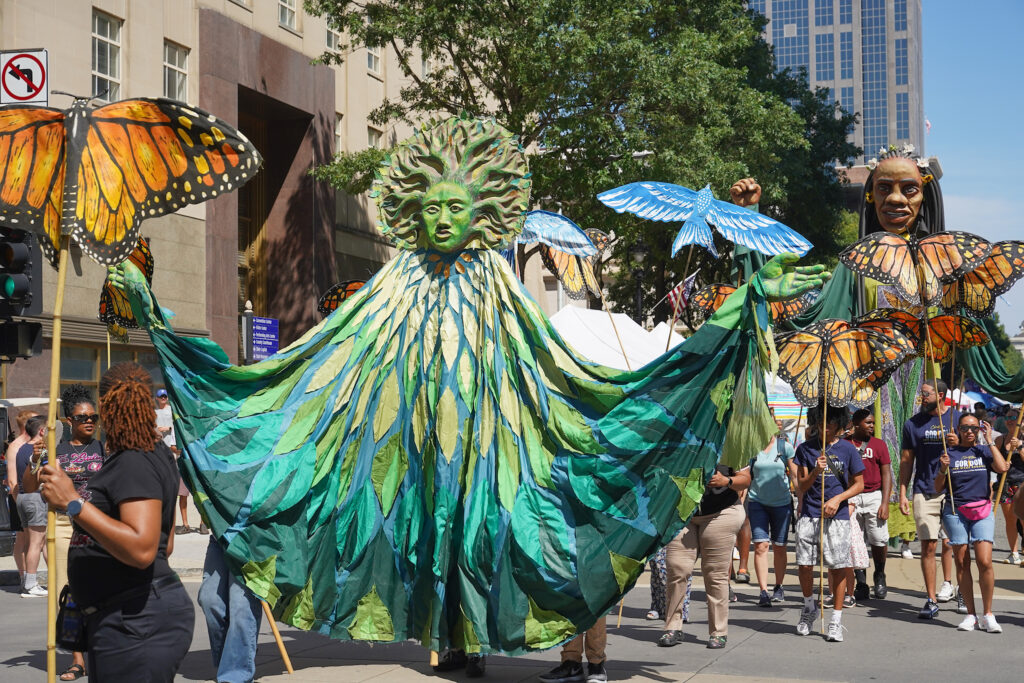
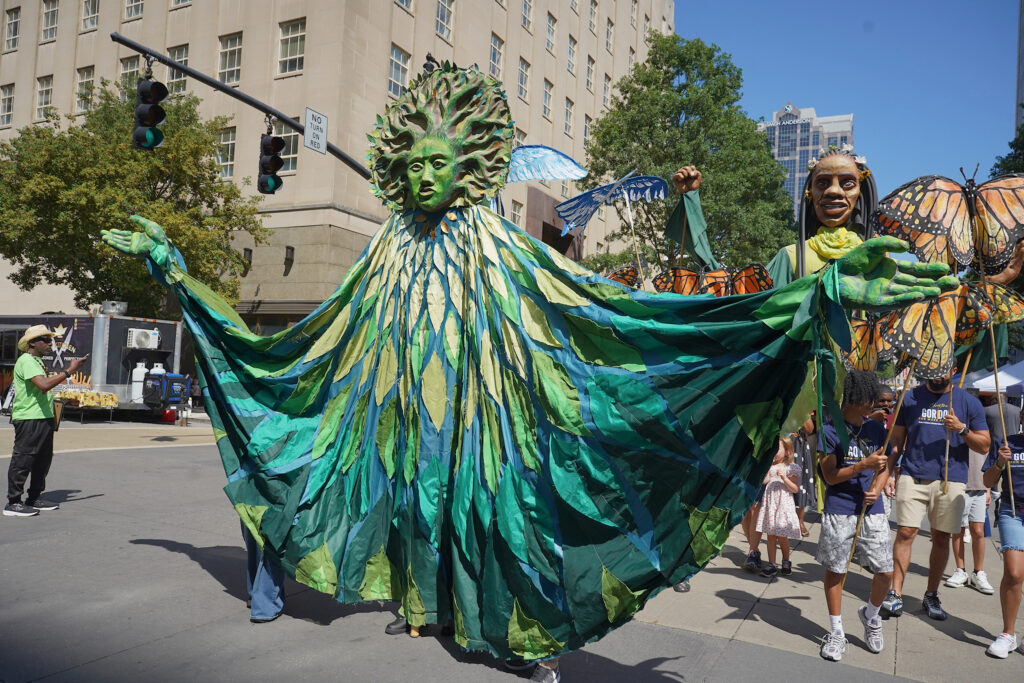
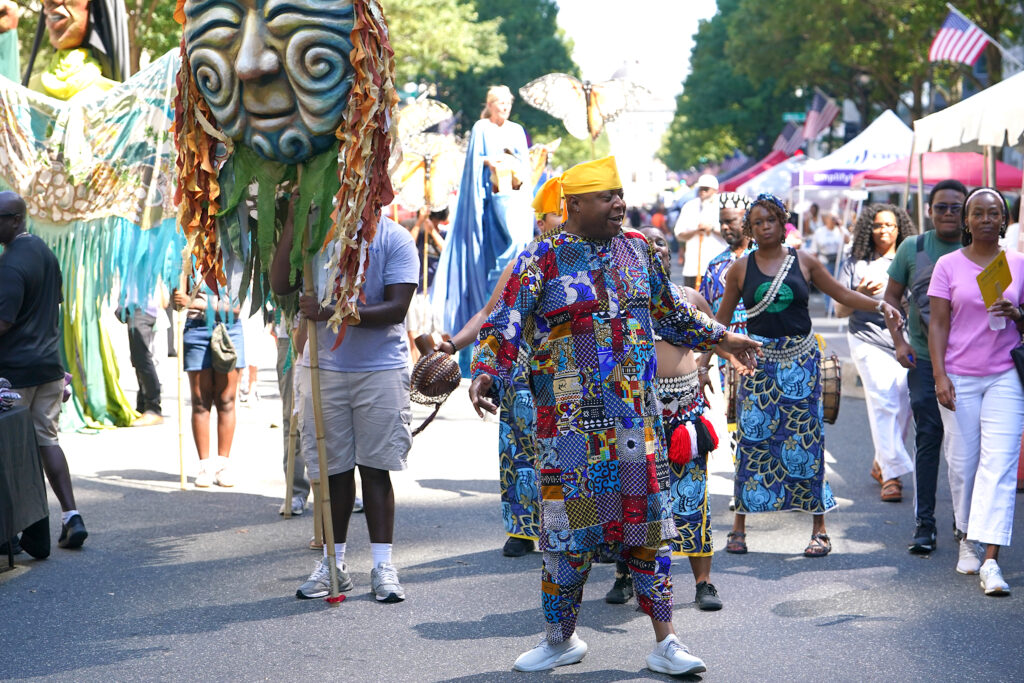
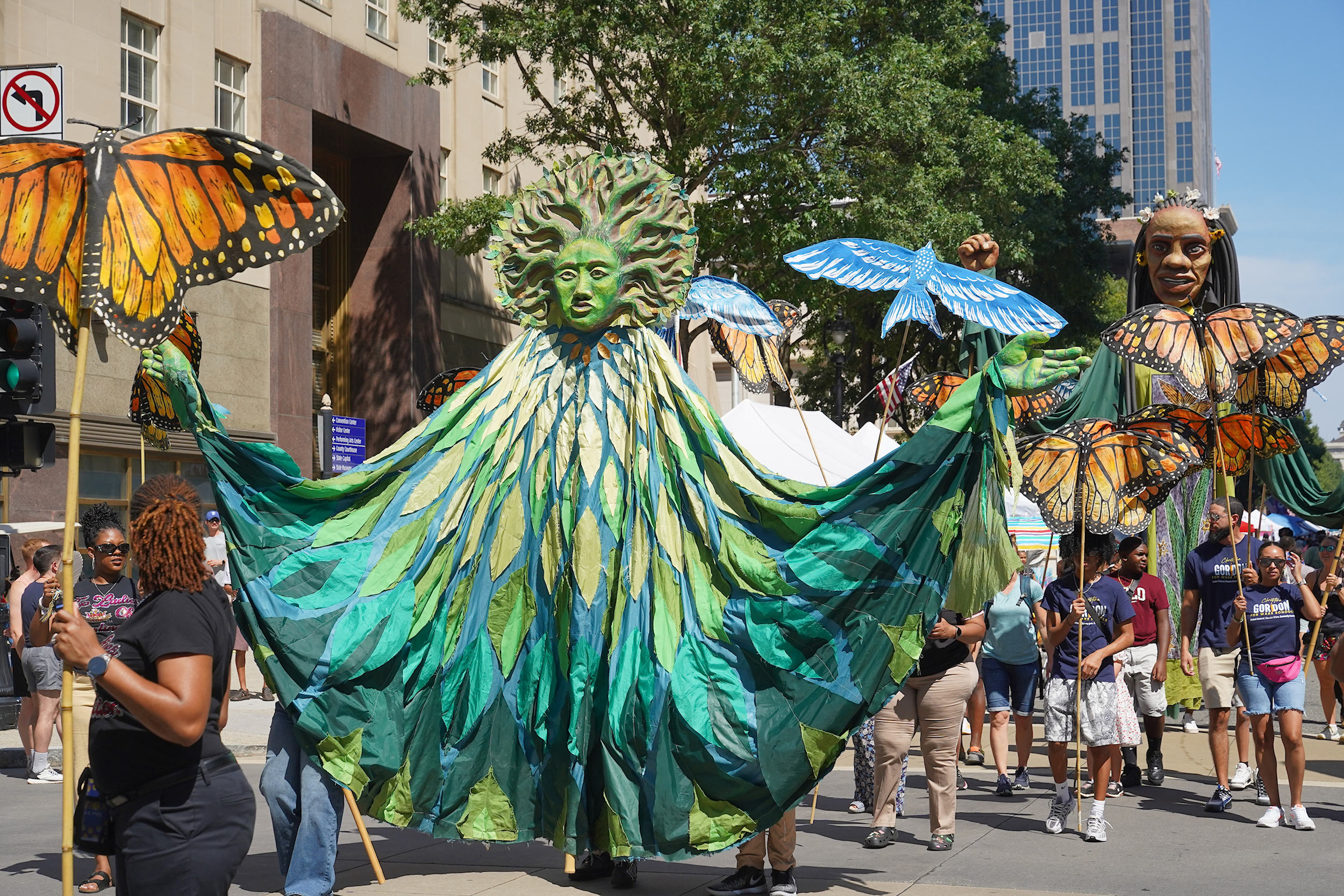
Saturday's programming opened with a procession featuring African dance, drumming, giant puppets and stilt walkers, preceded by a workshop that let attendees learn some of the dance and puppetry techniques themselves before joining in. Earlier that morning, the City of Raleigh Museum hosted Special Children's Author Readings, giving young readers a chance to meet Black authors and engage with African American stories and creativity.
Programming continued throughout the weekend across the Main Stage and Family Village Stage, with nonstop performances spanning jazz, R&B, reggae, traditional gospel choirs, African drumming ensembles, local DJs and spoken word poetry. National R&B act Kindred the Family Soul headlined the weekend's main daytime programming, while the festival transitioned each evening into ticketed outdoor concerts, headlined by hip-hop veteran Chubb Rock and backed by regional acts including the Sumthin 4 Tha People Band, Jus Once Band, Soultriii and DJ Skillz World. The AACF Comedy Jam, featuring local comedian D Wissh & Friends, capped off Sunday evening.
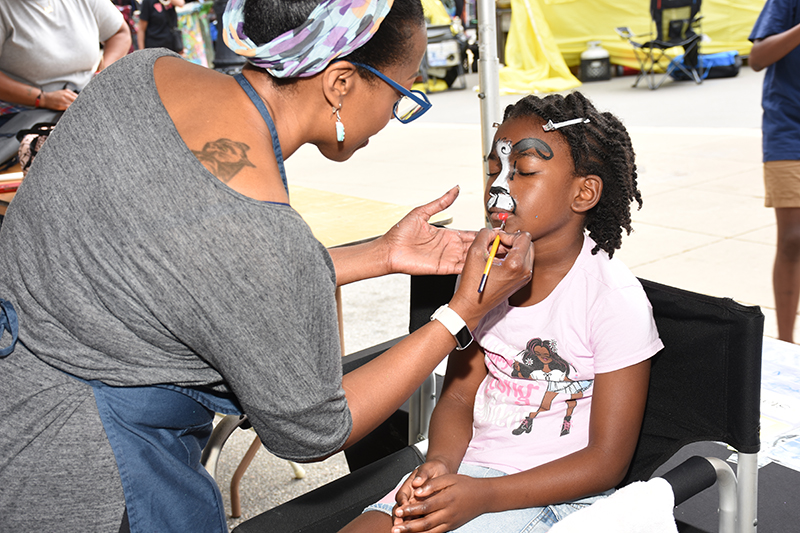
Beyond the stages, attendees could take in a formal Art Gallery Walk showcasing visual artists, alongside interactive chalk art walls, live mural painting, and hands-on puppetry and theater workshops built around teaching children traditional storytelling.
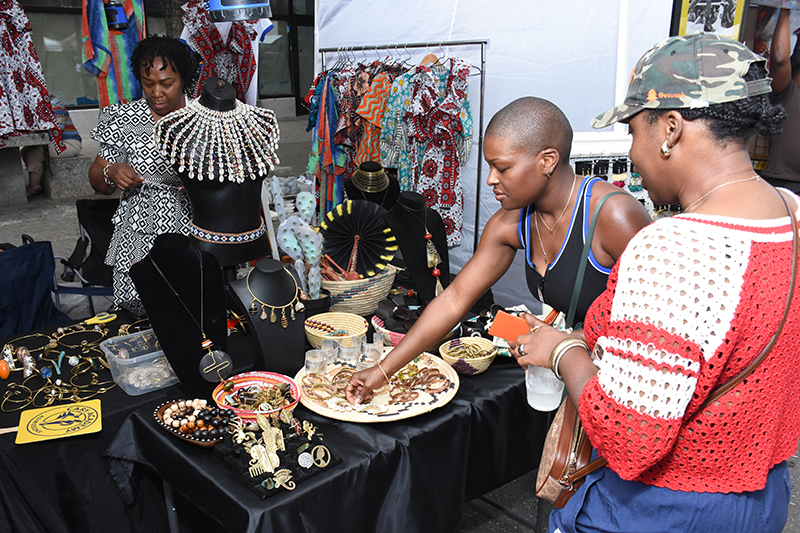
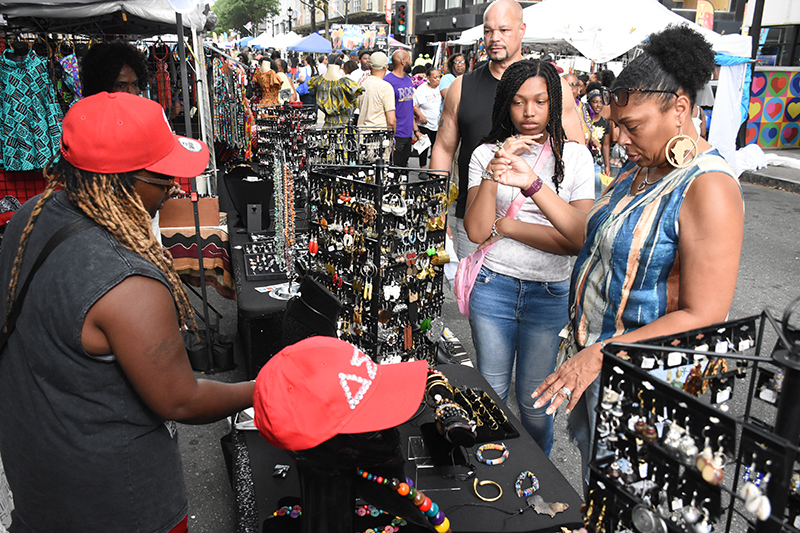
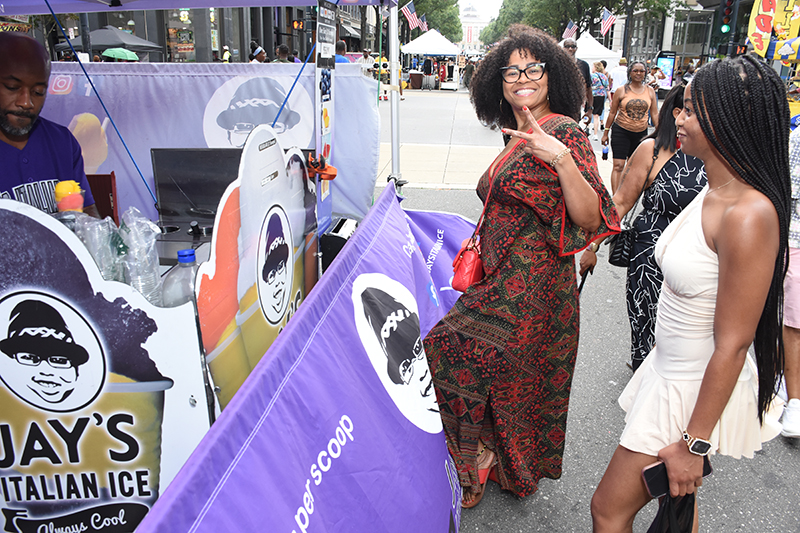
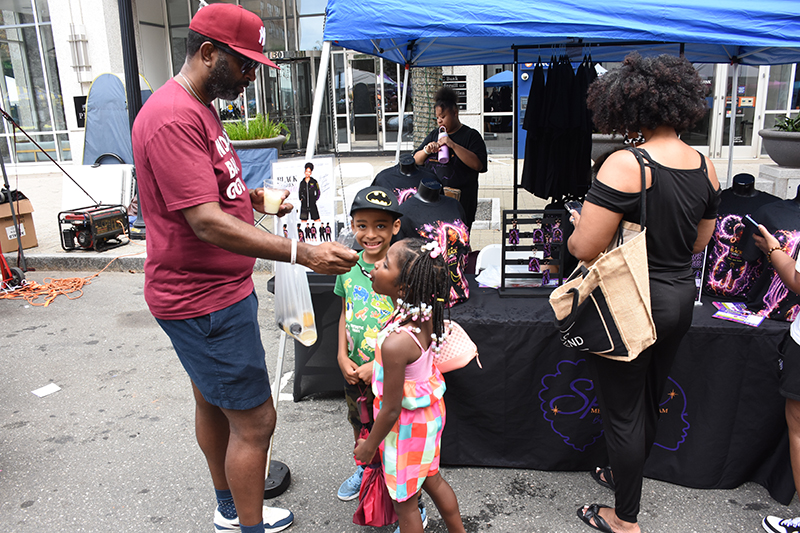
The festival's African Marketplace filled Fayetteville Street with dozens of juried visual artists, craftsmen, and Black-owned small businesses. Vendors sold fine art prints including recurring favorites depicting Black historical icons and family-legacy imagery, alongside custom Ankara-print clothing and jewelry, Greek paraphernalia for Divine Nine fraternities and sororities, and screen-printed streetwear carrying slogans like "Power to the People" and Raleigh-specific graphics.
Specialty goods included hand-tailored coats and kimonos printed with traditional West African Adinkra symbols, structured handbags made entirely from African wax-print fabrics, and skincare lines such as Clara Bea Essentials, which offered handmade hair milks, raw shea butter creams, and moisturizing bars formulated specifically for textured hair and skin.
Food options spanned Southern soul food, smoked barbecue, fried catfish baskets, smoked turkey legs, mac and cheese and collard greens — alongside Caribbean and West African fare including Jamaican jerk chicken, beef patties, oxtail plates and jollof rice bowls.
Because the event receives partial funding from the City of Raleigh, Raleigh City Council members and Wake County commissioners have historically made appearances, delivered opening remarks at the Main Stage, or staffed community resource booths. Local historically Black colleges and universities, including Shaw University and Saint Augustine's University, also maintained a heavy presence through alumni groups and recruitment tables.