
By Judaea Ingram
Special To The Carolinian
DURHAM, N.C. – For generations, Hayti was a place where Durham's Black community built a life of its own. Black-owned businesses lined its streets. Churches and schools served residents. Entrepreneurs created institutions that provided jobs and financial services. The neighborhood became one of the most prominent centers of Black business and culture in the country.
Today, much of that community looks different.
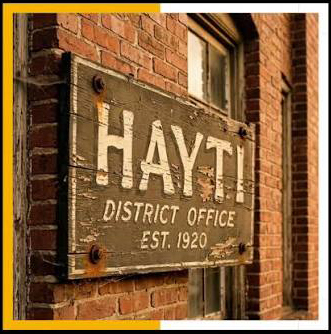 More than half a century after urban renewal and the construction of the Durham Freeway destroyed large portions of Hayti, residents and community organizations are still working to preserve what remains of its history while making sure the neighborhood has a future.
The question is no longer simply how to remember Hayti, it is how to make sure its Black history remains part of Durham as the city continues to develop.
Hayti emerged in the late 19th century as Durham's Black population grew. The neighborhood became a center for Black economic and cultural life, eventually developing into a thriving community with businesses, churches, schools, a hotel, theater and other institutions. The area was also closely connected to Durham's historic Black Wall Street, where Black entrepreneurs established businesses and financial institutions during a period when segregation restricted opportunities for Black residents.
Hayti's success made it an important example of Black self-sufficiency. But that community was dramatically disrupted in the 1960s.
Urban renewal projects and the construction of the Durham Freeway displaced residents and businesses and destroyed large portions of the historic neighborhood. The transformation permanently changed Hayti's physical landscape and separated parts of the community that had developed over generations.
The effects of that history are still visible today.
The Hayti Heritage Center, housed in the former St. Joseph's AME Church, remains one of the most recognizable reminders of the neighborhood's past. The center continues to serve as a cultural institution, hosting programs and events that celebrate Black history, art and culture. But preservation is increasingly about more than protecting historic buildings. It is also about protecting the community's connection to the neighborhood.
As Durham grows, development has brought new investment into areas that were historically home to Black residents and businesses. That growth has created opportunities while also raising concerns about affordability, displacement and whether longtime residents will be able to remain connected to this community.
Those concerns are part of the work being undertaken by Hayti Reborn, a coalition focused on community-led development, cultural preservation and preventing displacement in the historic neighborhood. The organization has advocated for development that reflects the needs and history of the people who have longstanding ties to Hayti.
This tension is familiar in historically Black neighborhoods throughout North Carolina. Communities that were once created because Black residents were excluded from other parts of American cities are now located in areas experiencing significant redevelopment.
The same neighborhoods that provided Black families with opportunities to own homes, operate businesses and build institutions can become vulnerable to rising property values and development pressures.
For Hayti, preserving the neighborhood's identity means recognizing that its history is not limited to the buildings that remain. It lives in the families who remember the neighborhood before the freeway divided it. It lives in the businesses and institutions that survived. It lives in churches, cultural organizations and community members who continue to tell the story of what Hayti once was.
It also lives in the people working to determine what Hayti will become. That makes preservation a question about the future as much as the past.
If development replaces the physical and cultural connections that made Hayti significant, the neighborhood could become a place that is remembered primarily through historical markers and museums rather than experienced as a living Black community.
But development does not necessarily have to mean erasure. Community advocates have pushed for an approach that allows investment while keeping residents involved in decisions about the neighborhood's future. The challenge is finding a balance between economic growth and cultural preservation.
For Durham, that conversation carries particular weight because Hayti's history demonstrates what can happen when decisions about a neighborhood are made without the people who live there.
Decades ago, development transformed Hayti with little regard for the community's existing connections. Today, preservation advocates are asking for residents to have a greater voice in what comes next.
The neighborhood's original landscape may never be completely restored, but its legacy continues through keeping its history visible.
As Durham continues to grow, the future of Hayti will depend not only on what the city builds, but on whether the people connected to the neighborhood have a role in deciding what that future looks like.
For a community that has already experienced the consequences of development without preservation, that question is more than historical. It is about who gets to remain part of Durham's future
