
By: Jordan Meadows
Staff Writer
Raleigh's housing market experienced significant pressure between 2017 and 2022, when rents increased approximately 38%, compared with a 29% increase nationally. The rapid growth of the Research Triangle, an influx of new residents and higher-income workers, rising land prices and construction costs all contributed to increased demand for housing.
In response, city leaders began implementing major land-use and zoning reforms in 2021 and 2022 to make it easier to build different types of homes and increase the overall housing supply.
According to research by The Pew Charitable Trusts, Raleigh's annual housing production increased substantially following the reforms. The city issued permits for an average of 3,301 new housing units annually between 2017 and 2020. From 2021 through 2024, that average increased to 5,731 units, representing a 74% increase. During the same period, housing permit growth across the rest of North Carolina increased by approximately 29%.
The increased construction has helped change the types of housing available throughout Raleigh. Previously, residents had relatively few choices beyond traditional single-family homes and large apartment complexes. The city's reforms opened the door to more of what housing advocates call "missing middle" housing, including townhouses, duplexes, triplexes, fourplexes, accessory dwelling units, and smaller apartment buildings.
Raleigh's zoning changes also removed certain density restrictions in areas not designated exclusively for single-family housing, allowing developers to construct more homes on eligible properties.
Additional changes made it easier to build tiny homes, expand residential options near public transportation, and increase the number of apartments allowed along transit corridors. The city also introduced incentives for developers who include affordable housing in projects near transit routes.
Another significant change came in 2022, when Raleigh eliminated citywide minimum parking requirements for new developments. Previously, developers were required to construct a specified number of parking spaces regardless of whether future residents needed them. Those requirements added substantial costs to construction, with individual surface parking spaces potentially costing up to $10,000 and spaces in parking structures costing up to $50,000.
Although rents increased sharply during the years preceding the reforms, inflation-adjusted rents in Raleigh declined approximately 15% between 2022 and 2025, according to the Pew research.
The decline is particularly noteworthy given that Raleigh continued to attract new residents. The city added approximately 31,000 residents between 2022 and 2025, representing population growth of 6.5%, compared with 2.5% nationally.
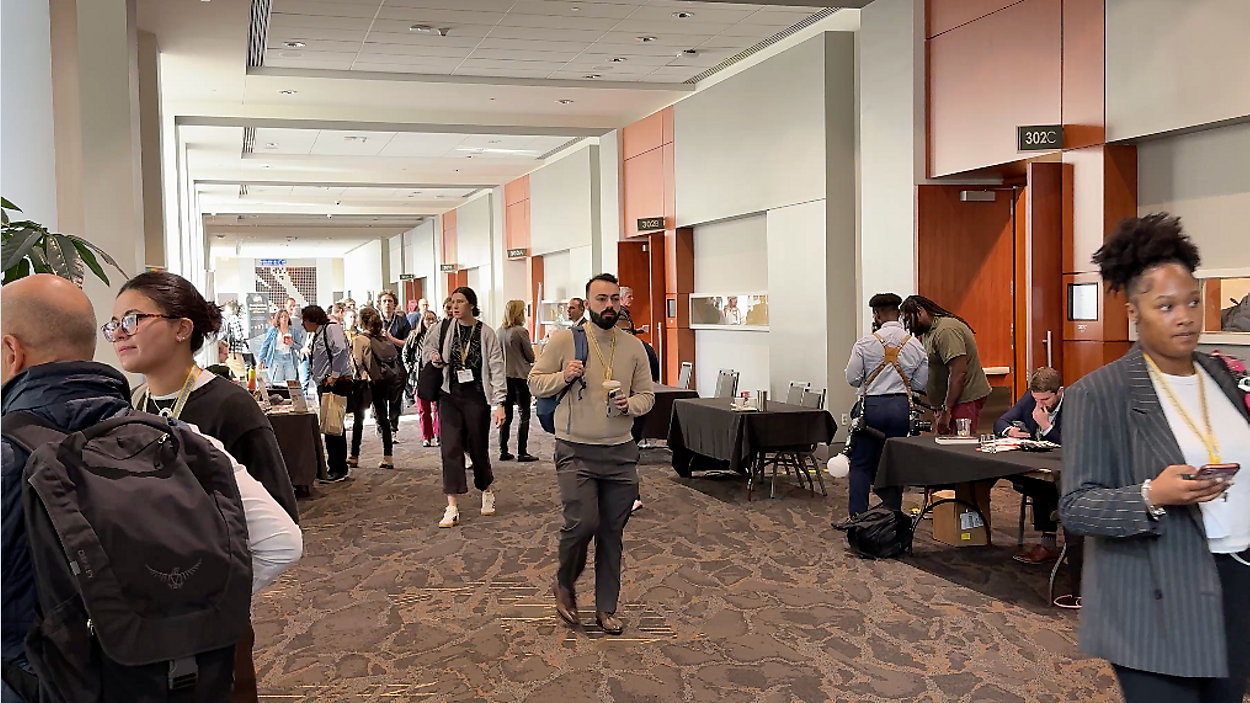
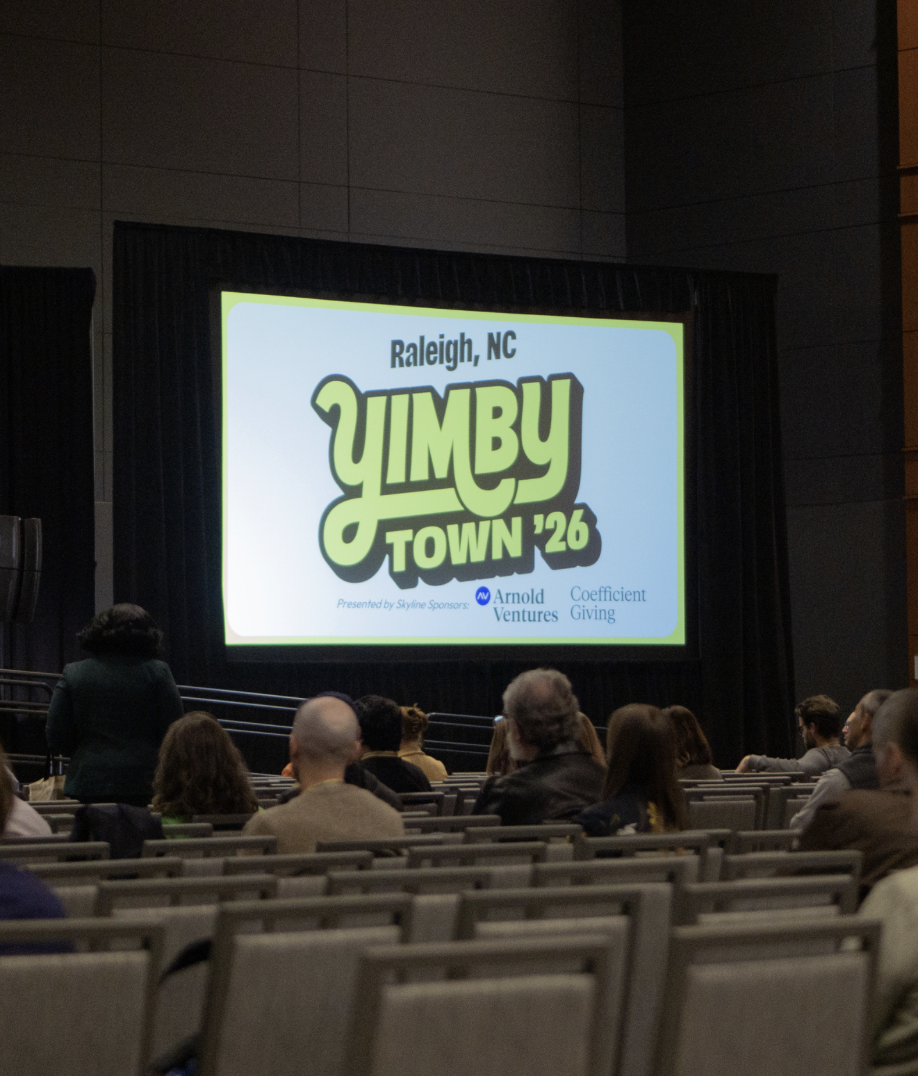
As North Carolina continues to experience population growth and increasing demand for housing, more than 1,000 housing advocates, elected officials, developers, researchers and community leaders gathered in Raleigh last week for YIMBYtown 2026, a national housing conference held in the South for the first time. The conference, hosted at the Raleigh Convention Center under the theme “Y’all In My Backyard,” focused on solutions to the nation's housing affordability crisis, homelessness, restrictive zoning policies and the need for more diverse housing options.
Housing advocates say the city's experience demonstrates why communities must reconsider traditional approaches to residential development. By allowing more housing types and reducing unnecessary construction requirements, Raleigh has created opportunities for developers to respond to demand while expanding choices for residents at different income levels.
"We can't just build our way out of it. We do have to help folks that still can't afford certain types of homes," said Pete Harrison with YIMBYtown.
That message was reflected in discussions about Wake County's efforts to address homelessness. Through its Wake at Home initiative, the county recently offered housing to approximately 23 people living in a homeless encampment. Officials are also exploring ways to help people experiencing homelessness secure permanent housing more quickly through financial assistance, including help with security deposits and first month's rent.
"We know that in communities where housing is affordable, there is actually less homelessness," said Eileen Rosa with Wake County's Continuum of Care.
Rosanne Haggerty, president of Community Solutions, pointed to Wake County and Durham as examples of communities working to coordinate resources and organizations to address homelessness. She emphasized that solving the problem requires cooperation across the entire community rather than relying on isolated programs.
"This is not an issue that can be solved by a collection of well-meaning programs or organizations. It has to be a whole community approach," Haggerty said.
Among the featured discussions was a session examining how North Carolina communities are leading housing reforms across the state. Participants included Samuel Hunter, housing strategy and development director for the City of Greensboro; Morgan Mansa, director of the Wake County Housing Department; Alicia Arnold, director of housing and community development for the Town of Chapel Hill; Janneke Ratcliffe, senior adviser for housing policy in Gov. Josh Stein's office; and Matthew Manley, long-range planning manager for the City of Hendersonville.
Another session, titled "Own the Dirt, Share the Equity, Build the Density: CLTs in North Carolina," explored the role of community land trusts in creating long-term affordable housing opportunities. The discussion included representatives from the North Carolina Housing Coalition, Durham Community Land Trustees, Community Home Trust, and the Raleigh Area Land Trust.
