
By Dominique Heath
Guest Columnist
Each April, Sexual Assault Awareness Month returns with a familiar call to attention. Teal ribbons appear, statistics are shared, and conversations begin to surface again.
But awareness, in practice, is often misunderstood.
According to the Rape, Abuse & Incest National Network, an American is sexually assaulted every 68 seconds. Nationally, 1 in 5 women and 1 in 6 men experience sexual violence in their lifetime. Globally, the numbers are even more staggering, with an estimated 1 in 3 women experiencing some form of violence.
These statistics are widely shared and widely differ upon specific studies. But what often gets lost is what comes after the numbers.
Awareness is not just knowing that sexual violence exists. It is understanding how it shows up in everyday life, recognizing the subtle moments that often go ignored, and being prepared to respond to them.
It is also understanding who is most impacted, and who is often left without adequate support.
A Crisis That Extends Beyond Borders
For some communities, sexual violence is not only prevalent, but deeply under-resourced.
Organizations like the Panzi Foundation have spent years addressing what has been widely recognized as a humanitarian crisis in the Democratic Republic of the Congo. In a region where sexual violence has been used as a weapon of conflict, the need for care extends far beyond immediate response.
The Panzi Foundation provides holistic support to survivors, including medical treatment, trauma counseling, legal advocacy, and economic empowerment. Their work is not short-term. It is long-term, layered, and necessary.
Despite the scale of the crisis, organizations like the Panzi Foundation often operate with limited visibility and support. Their work continues because the need is critical.
The Importance of Community-Based Support
In the United States, support systems also vary widely depending on access, awareness, and trust.
National organizations like National Organization for Victim Assistance and Futures Without Violence provide advocacy, education, and resources at a broad level. At the same time, community-based organizations play an equally critical role.
Groups such as The Women's Center of Wake County and Black Women's Blueprint focus on localized, culturally informed support, ensuring that survivors are not only heard, but understood within the context of their lived experiences.
For many Black communities, addressing sexual violence comes with additional barriers. Historical distrust in systems, cultural expectations around privacy, and the pressure to protect community spaces can make it more difficult for survivors to speak openly.
But silence does not protect communities. Access to informed, culturally competent support does.
More Than Awareness: A Daily Practice of Safety
While many organizations focus on response and recovery, others are working to shift how people think about safety before harm occurs.
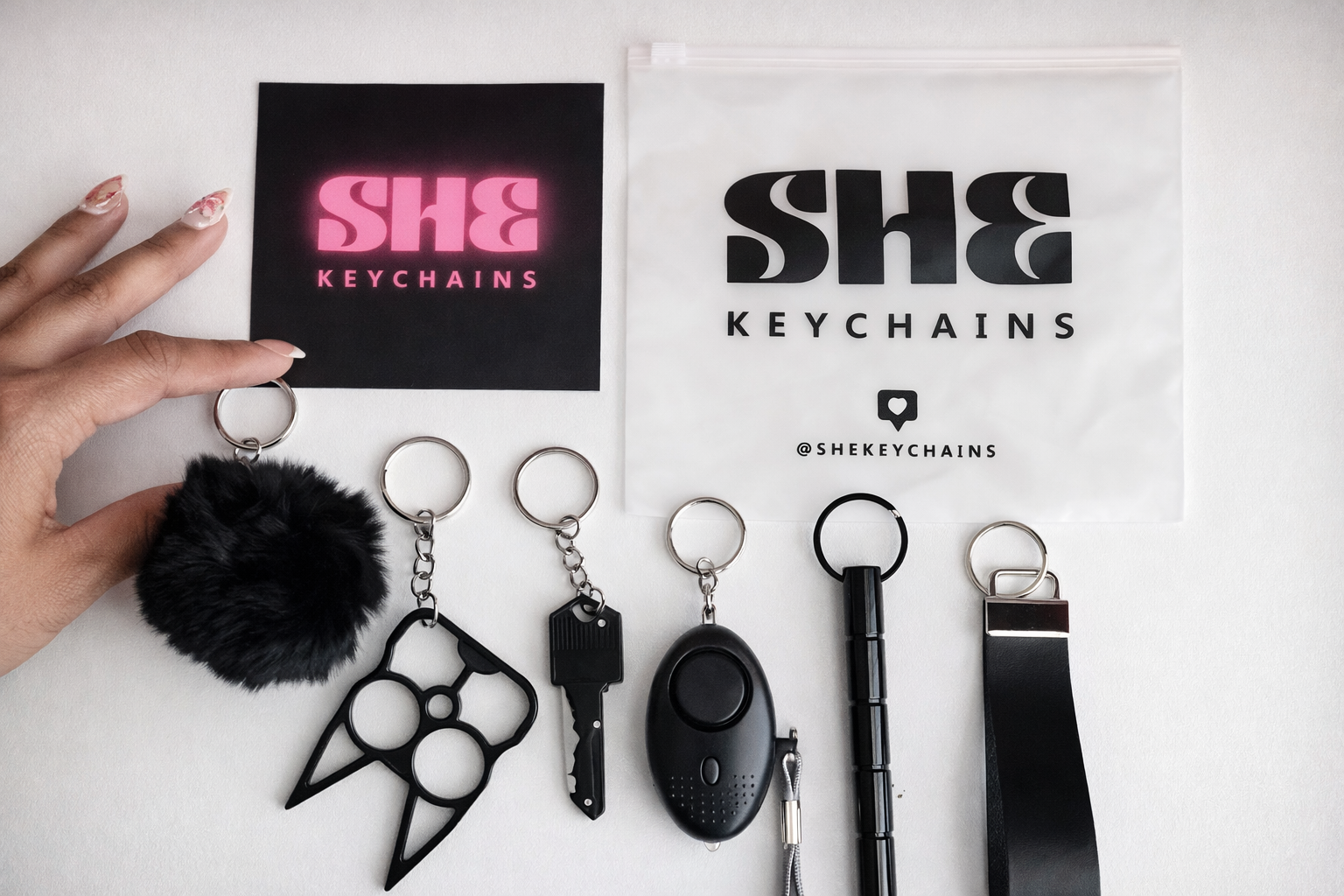
Some organizations, like She Keychains, approach safety as a daily practice rather than a reaction. Through consistent educational videos on social media and accessible tools, they emphasize that awareness is not about fear, but about preparation.
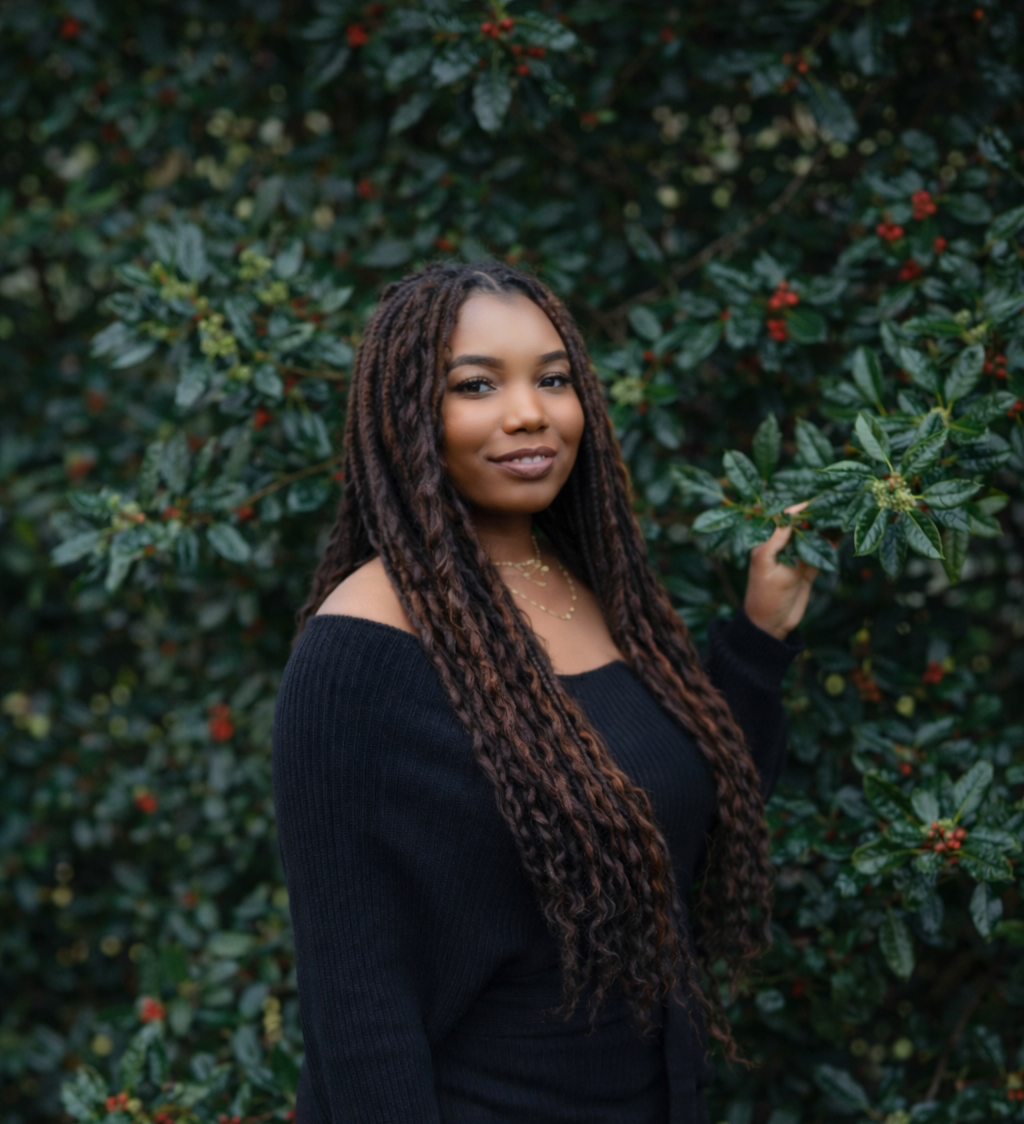
Dominique Heath, owner of She Keychains, Columnist, and an advocate who has worked alongside organizations such as The Women’s Center of Wake County, has built her platform around this idea. Through daily videos and educational content, she shares practical safety tips that encourage people to be more intentional in how they move through the world.
Her approach centers on the idea that safety is not a single moment, but a series of habits built over time.
Q&A
Q: What does awareness actually mean outside of statistics?
A: Awareness is not passive. It’s something you practice daily. It’s how you move, how you observe, and how you make decisions in real time. It’s understanding that familiarity does not equal safety, and that your environment is always giving you information. The difference is whether or not you’re paying attention to it.
Q: Why do so many situations go unrecognized or unspoken?
A: Because we are conditioned to minimize discomfort. From a young age, people are taught to question themselves before they question a situation. We normalize behavior that should be addressed, and we silence ourselves to keep things “comfortable.” On top of that, many people don’t feel safe speaking up, especially when the situation involves someone they know. So instead of being acknowledged, it gets internalized.
Q: What are some everyday signs people should pay attention to?
A: Your instincts will always recognize something before your logic does. That feeling when something shifts, when someone gets too close, when a situation feels off, that matters. I always tell people to pay attention to patterns, proximity, and pressure. If someone is rushing you, isolating you, or making you feel unsure of yourself, those are signs. Awareness is about recognizing those moments early, not after something escalates.
Q: How can someone learn to trust their instincts?
A: You have to unlearn the habit of self-doubt. Especially for women, we are taught to prioritize being agreeable over being safe. That conditioning can override our natural instincts. Trusting yourself means accepting that your body is responding for a reason, even if you can’t fully explain it yet. Remember, you do not need permission to remove yourself from a situation that feels wrong.
Q: What should someone do if they or someone they know experiences sexual violence?
A: The first priority is safety, always. Get out of the situation and into a secure environment where you are no longer in immediate danger. From there, it’s important to connect with support, whether that’s someone you trust or an organization that is equipped to help guide you through what comes next.
If possible, preserving evidence can be important, even though it can feel uncomfortable. Avoid changing clothes, showering, or cleaning the area until you’ve had the option to receive medical care, because those steps can impact what can be documented later. Seeking medical attention not only protects your health, but also gives you access to trained professionals who understand how to handle these situations with care.
It’s also important to understand that you have legal options. Connecting with a legal advocate can help you understand your rights, walk you through reporting if you choose to, and support you in making informed decisions without pressure. Some people choose to contact the police, especially if they want to document the incident or pursue legal action, while others may take time before deciding. There is no single “right” timeline, but having that report can be important for both your protection and justice.
Most importantly, no one should have to navigate any of this alone. There are people and organizations whose role is to support you through every step, at your pace, in a way that prioritizes your safety and your voice.
Q: Why is it important to know resources before they are needed?
A: Because in a moment of crisis, you’re not thinking clearly. You’re trying to process what just happened. If you already know where to go, who to call, or what organizations exist, you remove one layer of stress in an already overwhelming situation. Preparation is not about expecting something to happen, it’s about not being left without options if it does.
Q: What role do organizations play in this process?
A: Organizations ARE essential. They provide structure, advocacy, and care that most people would not be able to access on their own. They understand the systems, they provide resources, and they create a pathway for healing that extends beyond the immediate moment. This is not something individuals should have to figure out alone, and these organizations exist to make sure they don’t have to.
Q: Why can it be more difficult for Black communities to address sexual violence openly?
A: There is a complex history behind it, and it didn’t start with us. There is a long-standing, justified distrust in systems like law enforcement and the legal system, where Black people have historically not been protected, and in many cases, have been further harmed. That reality shapes how people respond to situations involving harm, especially when it comes to reporting.
At the same time, there is a strong culture of protecting our own. In many Black communities, there is an unspoken pressure to handle things privately, to not “bring attention” to the community, or to not contribute to harmful stereotypes. That can make it incredibly difficult for survivors to speak up, especially when the person who caused harm is someone known, respected, or connected.
There is also a history of Black women, in particular, not being believed, not being protected, and being forced to carry both racial and gendered burdens at the same time. That has created a reality where many people feel like speaking up won’t lead to support, or worse, could lead to further harm.
But the truth is, silence does not protect us. It allows harm to continue. We cannot build stronger communities by ignoring what is happening within them. Accountability and support have to exist at the same time. Survivors should not have to choose between speaking up and protecting their community, and creating spaces where both can exist is part of the work that still needs to be done.
Q: How can friends, family, or communities better support survivors?
A: Support starts with belief. Not interrogation, not doubt, not minimizing. Just belief. The way you respond in that first moment matters more than people realize. If someone has the courage to say something, they are already taking a risk. How you react can either make them feel supported or make them shut down completely.
From there, it’s about being present without trying to control the situation. You don’t have to have all the answers, and you don’t need to force someone into a decision. What you can do is listen, respect their pace, and help connect them to resources when they’re ready. That might look like helping them find a support organization, offering to go with them to get medical care, or simply checking in consistently so they know they’re not alone.
It also means being aware of how your words and actions impact them. Avoid asking questions that feel like blame, even unintentionally. Avoid trying to “fix” it too quickly. Support is not about solving the situation, it’s about standing with someone as they navigate it.
Q: What does a safe environment actually look like?
A: A safe environment is not just physical, it’s emotional. It’s a space where someone can speak openly without fear of being dismissed, blamed, or embarrassed. It’s built through consistency, trust, and accountability. Safety is not something you say, it’s something you demonstrate.
Q: What does everyday safety look like beyond self-defense tools?
A: Safety is built through habits. It’s not something you suddenly think about when something feels off, it’s how you move every day. It’s being aware of your surroundings, actually paying attention to who and what is around you, and not just assuming you’re safe because something feels familiar. It’s communicating your plans, sharing your location when needed, and taking those extra few seconds to notice your environment. Small things like knowing where your exits are or not allowing yourself to be easily cornered can make a real difference.
At the same time, it’s about how you prepare yourself. Staying physically capable, understanding how your body moves, and being able to react without hesitation matters more than people realize. Self-defense tools can help, but they are not the foundation. The foundation is how you think and how you move. It’s trusting your instincts, being willing to act on them, and carrying yourself with intention.
Q: What are small habits people can build to feel more prepared?
A: Start with being present. Take intentional moments throughout your day to observe your surroundings. Notice who is around you, where your exits are, and what feels different. A lot of people move through spaces without really taking anything in, and that’s where awareness starts to slip.
What I like to do, and I know it’s not always the healthiest thing, is think through different scenarios and ask myself what I would do if something happened. That can be as simple as, “If I was walking to my car and someone approached me, what’s my next move?” or “If I’m in an unfamiliar building, how would I get out quickly?” Even thinking about where you’d go if you needed help or how you’d create distance in a situation helps train your mind to respond instead of freeze. It’s not about living in fear, it’s about being familiar with your options before you ever need them.
Q: How do you balance awareness without living in fear?
A: Awareness is not fear. It’s control. It allows you to move through the world with confidence because you’re prepared.
It’s remembering that you can enjoy your life and still be mindful. The world can feel safe and still be unpredictable. Awareness is being present, trusting yourself, and knowing that if something shifts, you can respond without hesitation.
Q: Why is it important for your work to include giving back to organizations like The Women’s Center and The Panzi Foundation?
A: Because this issue does not end after a moment. Sexual violence has long-term effects that impact every part of a person’s life. Organizations like these are doing the work that continues long after the initial harm. They provide real support, real resources, and real pathways forward. Supporting them is not optional, it is necessary if we want to see change.
That commitment to action is not just something we speak on, it is something we practice. In honor of Sexual Assault Awareness Month, She Keychains will be donating 10% of all April sales to the Panzi Foundation, supporting their ongoing work providing care, advocacy, and long-term resources to survivors in the Democratic Republic of the Congo. For more information, visit www.shekeychains.com, or reach out directly at shekeychains@gmail.com.
