
By Jheri Hardaway
Staff Writer
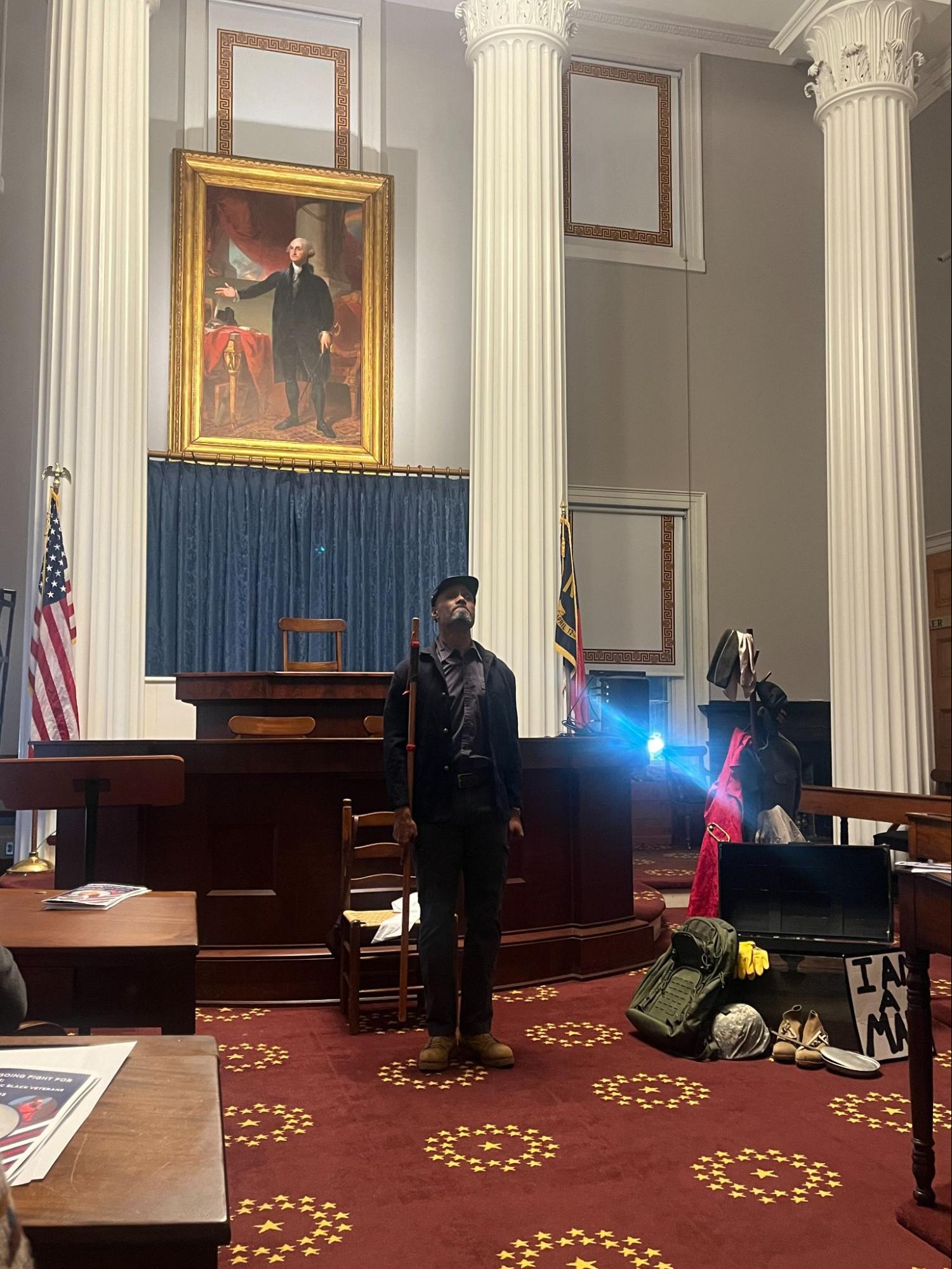 When economists discuss the "bottom line" of American industry, the conversation often centers on interest rates, supply chains, and consumer spending. Yet, a growing body of research from the Federal Reserve, Citigroup, and the Brookings Institution points to a much older, more corrosive factor: the "hidden tariff" of systemic racism. The roots of this economic drag are not modern; they are foundational. Recently uncovered correspondence from General George Washington reveals that as early as 1775, the Continental Army was paralyzed by a policy crisis over Black enlistment. By initially barring Black soldiers to appease Southern enslavers, the Patriots inadvertently handed a massive strategic advantage to the British.
Lord Dunmore’s Proclamation, which promised freedom to those who fought for the Crown, forced the Americans into a war that lasted eight years instead of perhaps much less. The cost of those extra years in lives, debt, and delayed stability was the first of many installments in a 250-year debt.
Today, the numbers are staggering. A landmark Citigroup study found that the U.S. lost $16 trillion in GDP over just the last two decades due to racial gaps. When we project this compounding loss back to the Revolution, including the systemic destruction of Black business districts and the denial of commercial credit, the cumulative loss to the American ecosystem exceeds $100 trillion.
For North Carolina’s burgeoning tech and manufacturing sectors, this is not just a social issue; it is a productivity crisis. Every denied business loan is a lost innovation; every wage gap is a reduction in the state’s total purchasing power. Here in North Carolina, the 2026 Appropriations Act, which became law as Session Law 2026-41 on July 7, 2026, eliminated the Office of Historically Underutilized Businesses (“the HUB Office”), repealed HUB-related statutes, and struck references to minority participation in public contracts throughout the North Carolina General Statutes. Over the past 25 years, the Office for Historically Underutilized Businesses within the Department of Administration has worked to increase the number and types of businesses competing for government contracts across the state.
“If you are not prepared to make your organization more receptive to all people of all backgrounds, then you will not be competitive in the 20th century.” Dr. Randal Pinkett. Competition, disruptive ideas, and open-mindedness are the hallmarks of an innovative society. By eliminating resources that help create equitable opportunities, we are crippling our future generations. We are making it harder for the Steve Jobs, Oprah Winfrey, and Sam Waltons of the world to access resources to make their big ideas pop. As we look toward the next century of American industry, closing these gaps isn’t merely an act of justice; it is the only way to ensure national competitiveness in a global market.
