By Jheri Hardaway
Staff Writer
Hillsborough, NC - Historic Hillsborough is full of character, history, and life. The morning of our Hillsborough Ramble, the main street was flooded with signs defending democracy, calling for healing and love. These same sentiments were felt throughout the tour. This sweltering Saturday ramble, hosted by Preservation North Carolina (PresNC), brought history buffs and preservationists to the quaint, historic, and stunningly beautiful town of Hillsborough. Traveling to each location primarily on foot, the tour offered an intimate look at structural landmarks that have borne witness to our state’s complex evolution from elite antebellum social circles and the foundational architecture of higher education to the brutal realities of Jim Crow and the seemingly unending fight for racial equity. Rather than sweeping the contradictions of the past under the rug, the tour served as a vivid reminder that history is built on stubborn facts. By analyzing the bricks, timbers, and oral histories left behind, the Ramble showcased how physical preservation keeps our true, unvarnished heritage vividly alive.
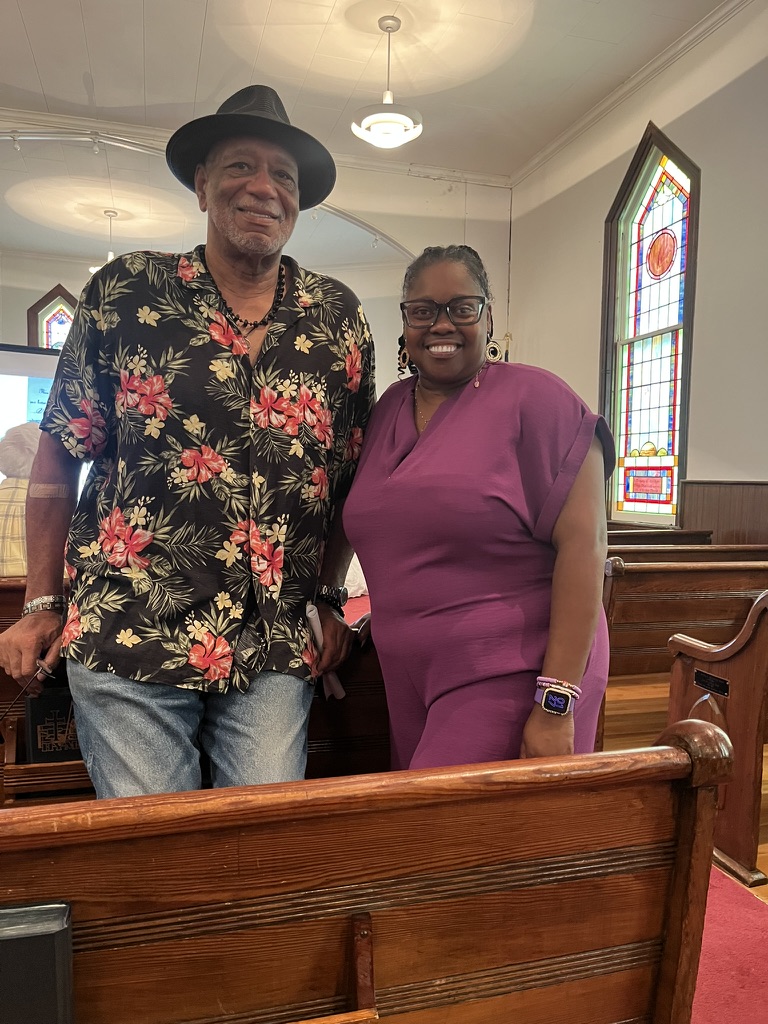
A memorable stop on the tour was Dickerson Chapel, a historic African American church led by Reverend Kerri A. Rigsbee that recently secured a major $400,000 grant from the National Black Church Heritage Fund. While the sum sounds vast, church leaders noted that structural contracting for historic landmarks requires highly specialized craftsmen and premium, historically accurate supplies. Local advocates expressed hope that the massive project would champion economic diversity by deliberately utilizing qualified Black and minority contractors. The stop was profoundly enriched by the testimony of Horace H. Johnson Jr., whose father served as Hillsborough’s first Black mayor. Johnson shared a visceral, personal account of integrating the Orange County school system as a ten-year-old boy in the fall of 1966, three years before mandatory desegregation took full effect in 1969.
Johnson recounted the terrifying silence of walking into a hostile sixth-grade classroom at what was then Orange Junior High (now the county-owned Whitted Building). He detailed the systemic racism of a teacher who weaponized grading scales until a local white grocery cashier, Miss Apple, intervened after discovering Johnson’s test answers were vastly superior to her son’s, a classmate of Johnson who received an "A" despite inferior academic performance. Miss Apple made a point to inform Mr. Johnson of how his son’s work was being unfairly evaluated based on his race. Decades later, a chance encounter at a local Walmart brought an apology from another former white classmate who revealed a horrific truth about the school's cooking class. The girl confessed that students had intentionally contaminated Johnson’s donuts with blue floor wax and urine. The hurt yet pride in his perseverance was evident as Johnson explained that none of this stopped his greatness. He went on to play college basketball and had a long career in New York City before returning home to tell his stories and inspire change in his home community. Johnson noted that many of his childhood tormentors went on to become prominent doctors and lawyers. "That’s why they don’t want to study the history—because we see who they are."
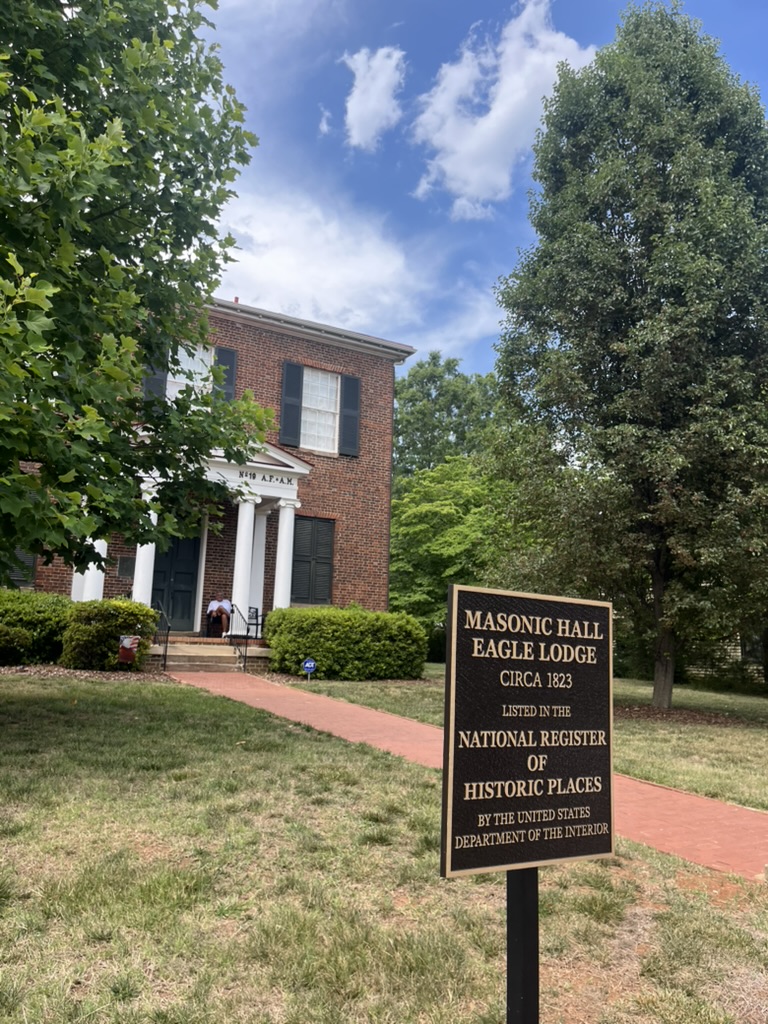
The Ramble next moved to Eagle Lodge No. 19, an architecturally stunning structure built in 1823 and the ninth-oldest active Masonic lodge in North Carolina. The lodge holds a unique place in regional history; chartered in 1791 under Governor William Davie, its early members laid the literal cornerstones for the University of North Carolina at Chapel Hill, including Old East, Old West, and South Building. The building’s design features a heavily over-engineered superstructure, including massive timber tie beams cut at precise angles to support a historic astronomical observatory added to the roof in 1832 by UNC President Joseph Caldwell, although it had to be removed due to leaks and other structural issues.
Inside the lodge room, where the Master's station is symbolically elevated above the floor, the conversation turned remarkably candid regarding the racial fractures of American history. For more than two centuries, the mainstream Masonic order in North Carolina remained completely segregated from Prince Hall Freemasonry, the historically Black branch of the fraternity.
While the Grand Lodge of North Carolina and the Prince Hall Grand Lodge formally recognized each other in the early 2000s, area Masonic leadership openly acknowledged the lingering sting of that legacy. "From 1791 to 2000... I'm honestly quite ashamed of it," a lodge leader shared during the tour. "The past is the past, and I'm not going to hide it... But we can only go forward."
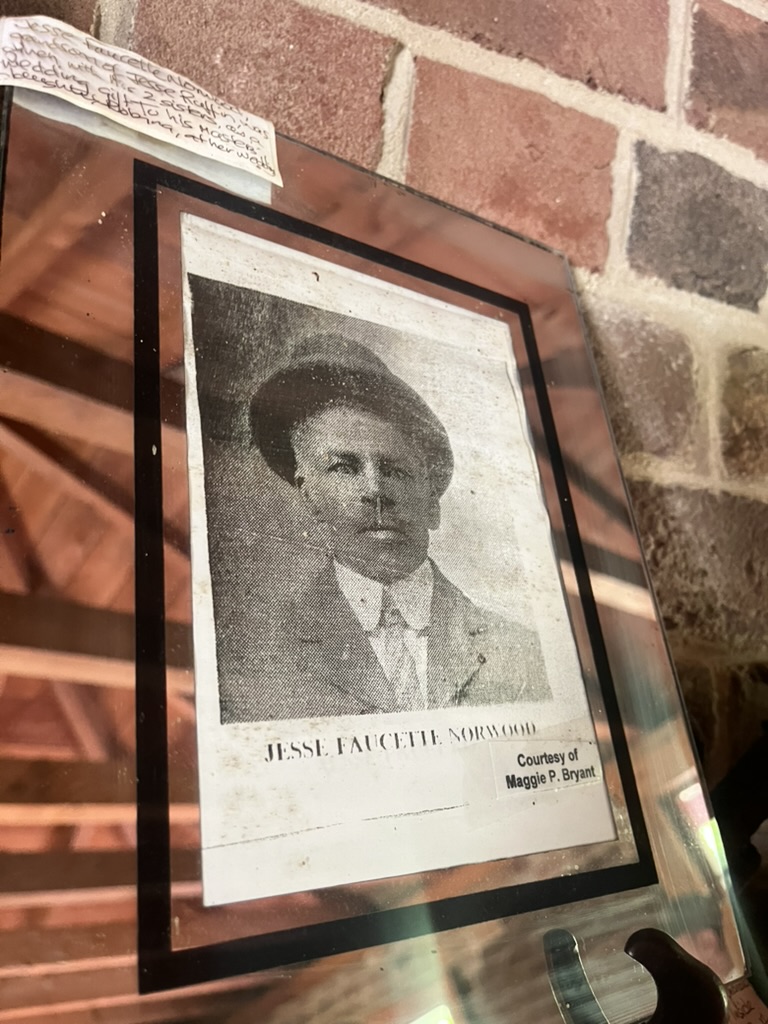
An additional notable stop of the Ramble brought attendees to the historic Coachman's Quarters at Burnside, a rare, surviving outbuilding that stands in stark contrast to rural plantation sites like nearby Stagville. To run your hands along the structural walls of the quarters is to touch raw history; the exterior surfaces are covered in the literal fingerprints of the enslaved child laborers who formed and turned the clay bricks in the sun. The site is tethered to the legacy of Jesse Ruffin, an enslaved coachman for North Carolina Supreme Court Chief Justice Thomas Ruffin. Historical accounts paint Jesse as a fierce, defiant intellectual. William Kirkland, the antebellum owner of Ayr Mount, once formally requested that Chief Justice Ruffin ban Jesse from his land because the coachman was actively speaking to the enslaved population at Ayr Mount, encouraging them to demand their freedom. Family oral history dictates that on December 5, 1865, the day following the ratification of the 13th Amendment, Jesse accompanied Thomas Ruffin to the Hillsborough Courthouse. Upon learning that slavery had officially ended, Jesse rushed back to the quarters to announce the dawn of freedom to his community.
Jesse and his wife, Rebecca Norwood, continued to live on the land after emancipation, operating a successful seed business. Today, the quarters and their massive adjacent carriage barn featuring twenty separate stalls for horses and mules are fully protected under a permanent preservation easement. The barn itself contains a remarkable architectural mystery: its massive timber frames are secured using "scarf joints," an intricate, highly specialized technique explicitly utilized in transatlantic shipbuilding. The presence of these joints strongly indicates that the building was framed by an enslaved master carpenter who possessed sophisticated, highly transferable maritime engineering skills. The property was lovingly preserved for decades by the late Gwen Reed, who lived inside the restored barn structure up until her passing at age 99 this past January. Her descendants are currently working to transition the historic site into a public museum, ensuring that the stories of Jesse Ruffin, Rebecca Norwood, and the skilled laborers who built Hillsborough are preserved forever.
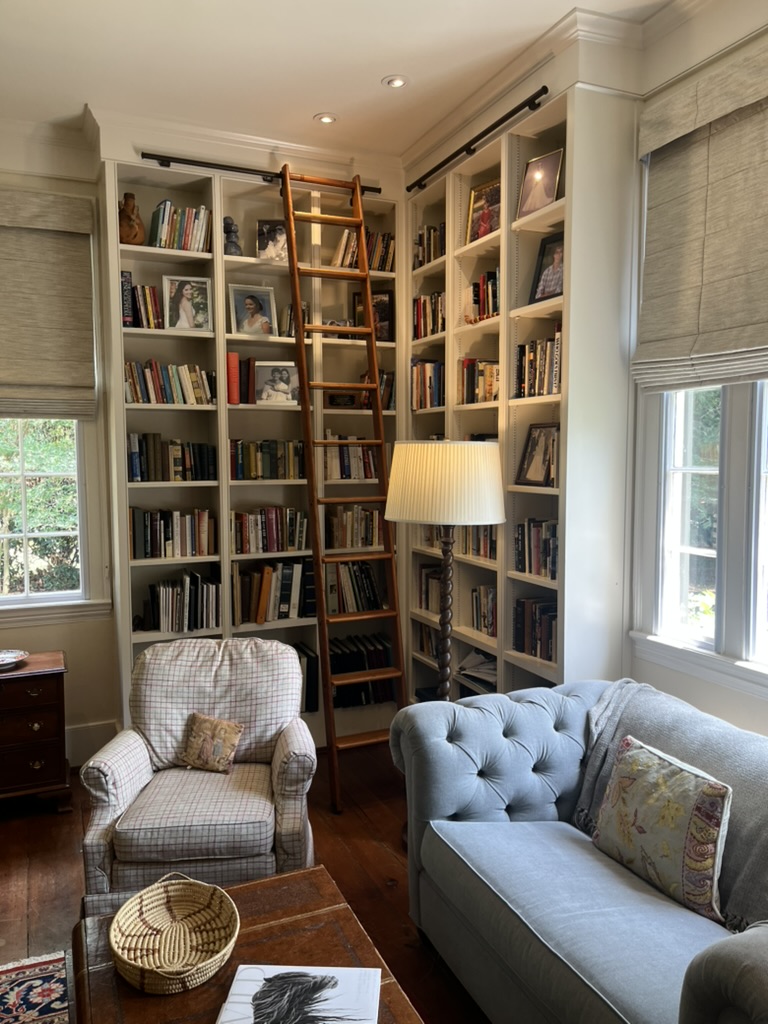
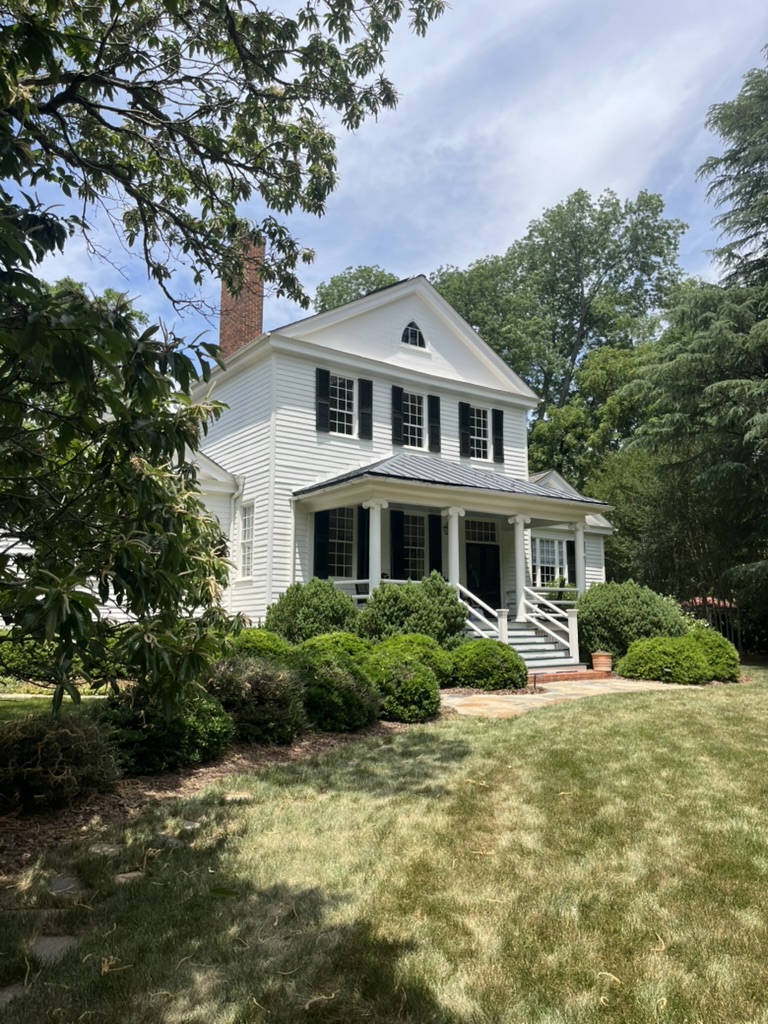
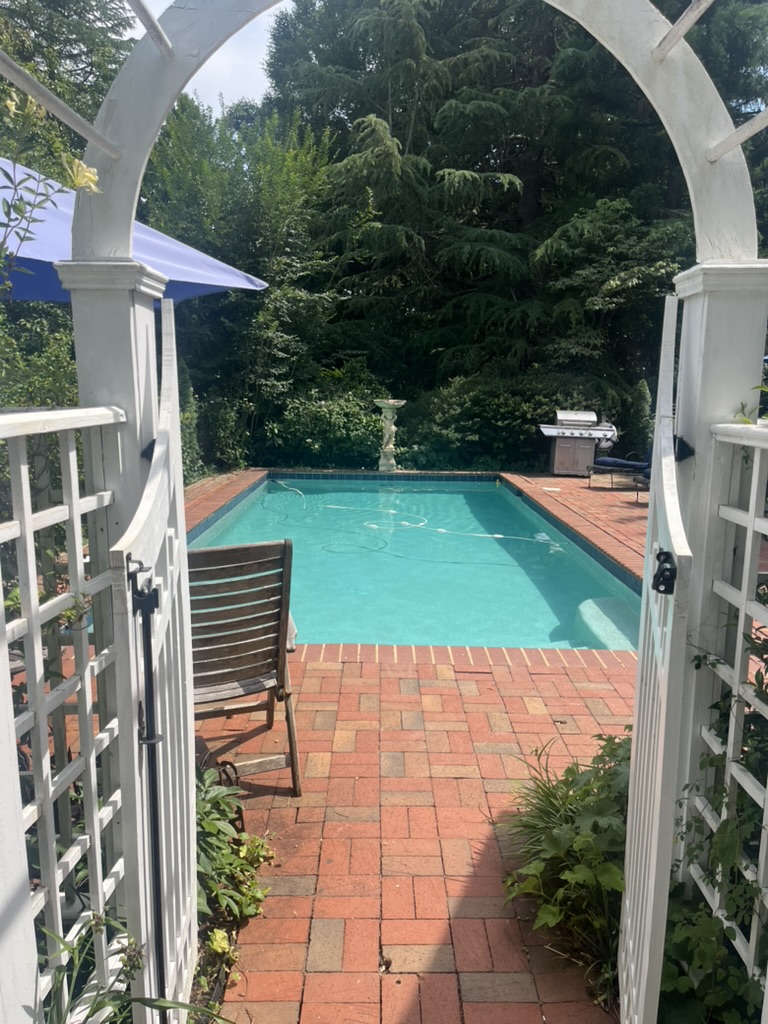
We also ventured into some of North Carolina’s most stunning mansions and historic churches. One of the homes on the tour belonged to a couple who wrote scripts for years for The Guiding Light. The row of Emmys was overshadowed by the gorgeous custom bookshelves and primary bedroom French doors that open up to the private pool and pool house. This house is actually for sale by Hodge & Kittrell Sotheby's International Realty. Out of all the PresNC Rambles I’ve attended, this one felt the most personal. The Hillsborough Ramble was mostly walking, which empowered more personal conversations and interactions. These special experiences cultivated by PresNC empower the relevance of historical properties and help all Americans process with structural evidence how vivid and important our collective history truly is.