
By Jordan Meadows
Staff Writer
Gas prices are climbing and electric vehicles are being promoted as a way to escape the rising cost of gasoline. But despite fuel prices reaching more than $4 per gallon nationally and exceeding $4.20 in North Carolina, American consumers are not rushing to buy electric vehicles.
One of the largest obstacles is the purchase price. Although electric vehicles can offer lower operating costs through reduced fuel and routine maintenance expenses, their initial cost remains higher than many comparable gasoline-powered vehicles. Cox Automotive estimated that the average electric vehicle transaction price in April was more than $6,000 above comparable vehicles powered by internal combustion engines.
Analysts estimate that a driver operating a typical gasoline vehicle averaging 30 miles per gallon would need to travel well over 40,000 miles for fuel savings alone to compensate for the higher purchase price of an electric vehicle.
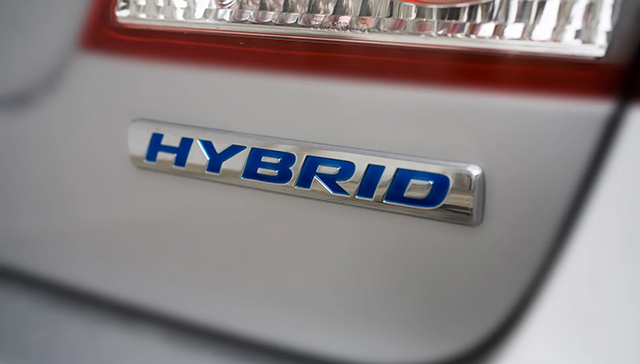
For many Americans, that math is leading them toward a compromise: the traditional hybrid. Unlike fully electric vehicles, hybrids combine a gasoline engine with electric motor assistance to improve fuel economy without requiring drivers to plug into a charging station. Depending on the model, hybrid technology can improve fuel efficiency by approximately 25% to 45% compared with comparable conventional gasoline vehicles. Drivers can continue using existing fueling infrastructure while spending less on gasoline, making hybrids an attractive option for commuters, families, and people who frequently travel longer distances.
Industry estimates indicate that hybrid vehicle sales increased approximately 20% year over year and nearly 50% since February 2026, as concerns about fuel costs and global oil supplies intensified. Automakers have responded by expanding their hybrid offerings and shifting some established models toward hybrid-focused or hybrid-only lineups. Toyota's Camry and RAV4 are among the familiar vehicles helping demonstrate how hybrid technology has become an increasingly mainstream choice rather than a niche alternative.
During the third quarter of 2026, battery-electric vehicles accounted for an estimated 262,649 U.S. sales. Although that represented a decline of nearly 40% compared with the same quarter in 2025. Their estimated share of new vehicle sales recovered to approximately 6.4%. Meanwhile, traditional hybrids, plug-in hybrids and fully electric vehicles combined accounted for nearly one-quarter of new U.S. vehicle sales in the most recent quarterly figures provided.
September 2025 marked a historic month for EV sales, with battery-electric vehicles capturing an estimated 11.5% to 12% of the new vehicle market as consumers hurried to purchase qualifying vehicles before the federal tax credits ended.
The expiration of those incentives on September 30, 2025, removed a significant financial benefit that had helped make electric vehicles more affordable for American buyers. Following that deadline, EV market share fell to approximately 5.2% to 6.5% during the fourth quarter of 2025 and the first half of 2026.
Under the One Big Beautiful Bill Act, the federal tax credits for qualifying new and used electric vehicle purchases were terminated for vehicles acquired after September 30, 2025. The previous program offered eligible buyers up to $7,500 toward a new electric vehicle and up to $4,000 toward a qualifying used electric vehicle.
In North Carolina, the national trends are particularly relevant as drivers face rising fuel expenses while weighing the costs of replacing their vehicles. The state occupies a middle position in the national electric vehicle market, ranking approximately 23rd among the 50 states in the proportion of registered light-duty vehicles that are electric. Electric vehicles account for approximately 1.3% of North Carolina's total registered light-duty vehicle fleet, according to the figures provided.
When looking specifically at new vehicle purchases, North Carolina performs somewhat better. Electric vehicles have represented approximately 6.8% to 7.5% of new passenger vehicle sales in recent reporting periods.
Despite its middle-of-the-pack position in electric vehicle ownership, North Carolina has made considerable progress in charging infrastructure. The state ranks approximately fifth nationally in the growth rate of new electric vehicle charging infrastructure, driven by investments and expansion in population centers such as Charlotte, Raleigh, Durham and Fayetteville.
The changing vehicle market is taking place against a backdrop of significant volatility in gasoline prices. After declining toward the end of 2025, regular gasoline prices generally averaged between approximately $2.90 and $3.15 per gallon nationwide through early February 2026.
By the spring of 2026, the national average for regular gasoline had moved above $4 per gallon, with estimates placing the peak between approximately $4.58 and $4.79 per gallon. Prices subsequently remained elevated through much of the year.
Although the United States remains one of the world's largest electric vehicle markets in terms of total sales, its adoption rate is considerably lower than that of several major international markets. China and Europe continue to lead the global transition in important areas. Global figures provided for the market indicate that approximately 25.9% of new cars registered worldwide are electric, compared with roughly 6% to 10% in the United States.
Part of the difference involves the types of vehicles American consumers prefer. The U.S. electric vehicle market has a strong emphasis on larger SUVs and pickup trucks, which generally require bigger batteries and are more expensive to manufacture than smaller electric hatchbacks and compact cars popular in Europe and Asia. The higher cost of producing these larger vehicles can make it more difficult for automakers to offer affordable electric models to mainstream American households.
