
By Torrie Walker
Her Campus, Howard University
The building is gone. The guests who once filled its rooms are long gone. Even the name of the woman who built one of Raleigh's most important Black-owned hotels has largely faded from public memory. But nearly a century ago, Hattie Wooten Lewis opened the doors of the Lewis Hotel, creating a refuge for Black travelers navigating the hardships of segregation and leaving behind a legacy that deserves to be remembered.
Nearly 80 years after her death, much of Hattie Wooten Lewis's story has slipped from the historical record. Yet through the memories and family documents preserved by her great-niece, Janette Hodge, Lewis's contributions as a pioneering Black businesswoman continue to survive.
"A lot of people, even in the Raleigh community, do not know about their contributions," Hodge said.
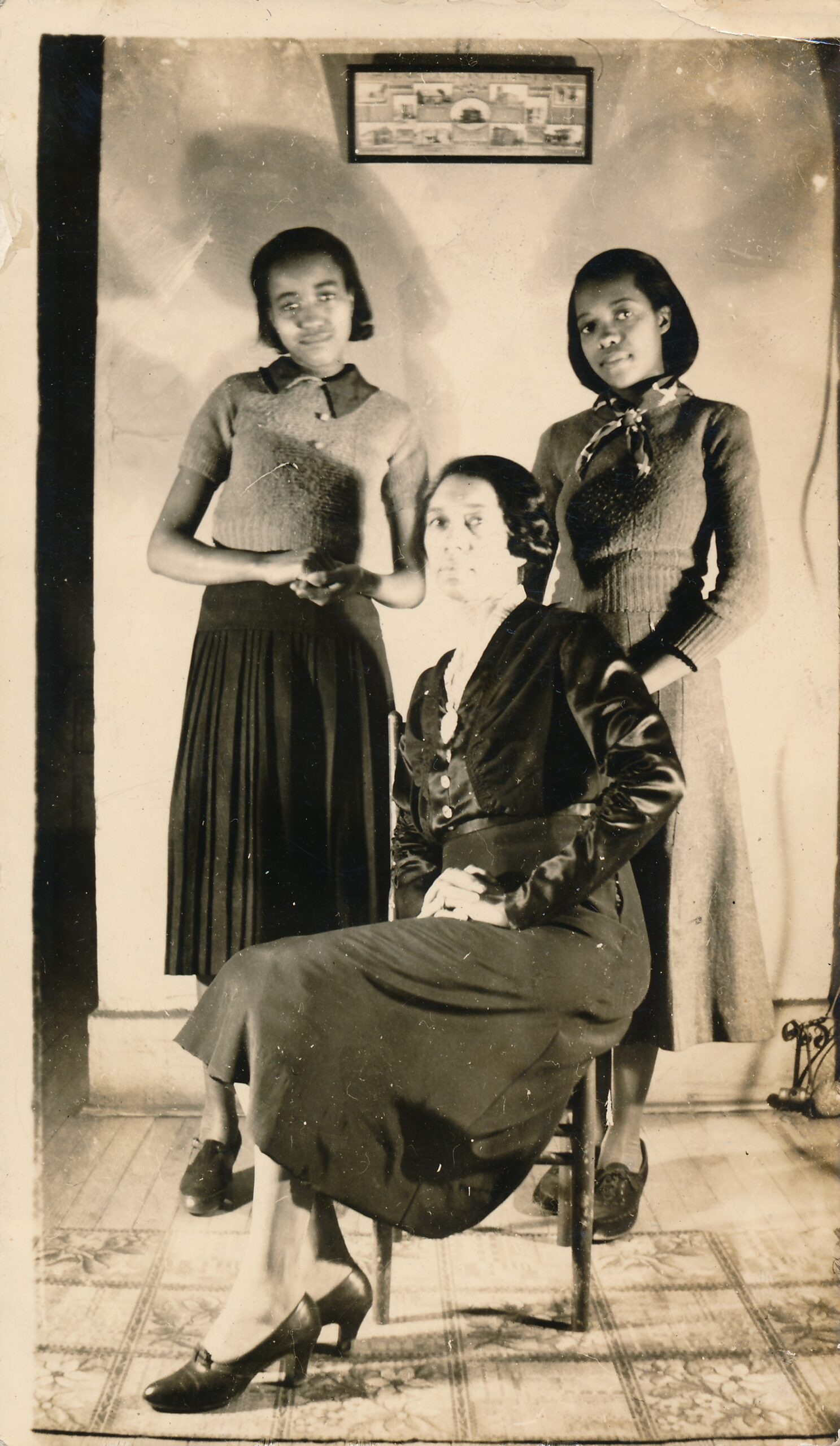 The Lewis Hotel, located at 218–220 E. Cabarrus Street, was built in 1919 by Needham Lewis and his wife, Hattie Wooten Lewis. At a time when Black Americans were systematically excluded from white-owned hotels and boarding houses, the couple recognized a pressing need and answered it.
The hotel became one of only two establishments in Raleigh listed in the Negro Motorist Green Book, the essential travel guide that helped Black Americans navigate a country that too often refused to serve them. As a result, the Lewis Hotel became not just a local institution, but a recognized safe haven throughout the region.
"She built the hotel for travelers that were coming through," Hodge said. "They would have a safe place to live. So it was like a safe haven."
Hattie Lewis was also an alumna of Shaw University, the historic Black university located just blocks away, and her connection to the school shaped the hotel's identity from the very beginning. She made it a point to open her doors to Shaw students, offering them a proper place to live, eat and feel at home during their time away from their families.
In this way, the Lewis Hotel was never just a business. It was an act of community investment.
But the hotel's reach extended well beyond the campus. Its guest list read like a who's who of Black American music and entertainment. Among those who passed through its doors were Sam Cooke, Nat King Cole, Erskine Hawkins, Fats Waller, Louis Armstrong, Ella Fitzgerald and band members associated with both Cab Calloway and Duke Ellington. During an era when segregation limited where Black performers could stay, the Lewis Hotel offered a welcoming place to rest between shows.
"It was a time in history when we as African Americans could not stay at white institutions and establishments, so we had to do things on our own," Hodge said.
For Black performers touring the South, finding safe and welcoming accommodations was never guaranteed. The Lewis Hotel, and later the DeLuxe Hotel, was exactly the kind of anchor they could count on.
When Hattie Wooten Lewis died in 1945, she passed the hotel to her nieces, who had originally come to Raleigh to attend Shaw University and had made it their home. Beadie Lucille Griswold Paige, who inherited primary stewardship of the property, carried the legacy forward under a new name: the DeLuxe Hotel.
Under her leadership, the hotel gained broader recognition, becoming a member of the Nationwide Hotel Association, connecting it to a broader network of Black-owned establishments across the country. As desegregation opened new opportunities for travelers and entertainers, the DeLuxe Hotel eventually transitioned into a boarding house while continuing to serve the community.
The building that housed so much of that history is no longer standing. In 1992, it was destroyed by fire, taking with it the last physical remnant of what Hattie Wooten Lewis had built.
Still, Hodge believes the story deserves to be told.
She describes her great-aunt as "a trailblazer" who was "way ahead of her time."
As Raleigh continues to grow and change, Hodge hopes future generations will learn about the sacrifices and accomplishments of people like Lewis, whose contributions helped shape the city long before many of its current landmarks existed.
"So that younger generations will know," Hodge said. "A lot of people do not know about the many sacrifices that people made to make life better for the younger generation."
Reflecting on both Hattie Wooten Lewis and her mother, Beadie Lucille Griswold Paige, Hodge offered one final thought.
"They just don't make people like that anymore."
