
By Jheri Hardaway
Staff Writer
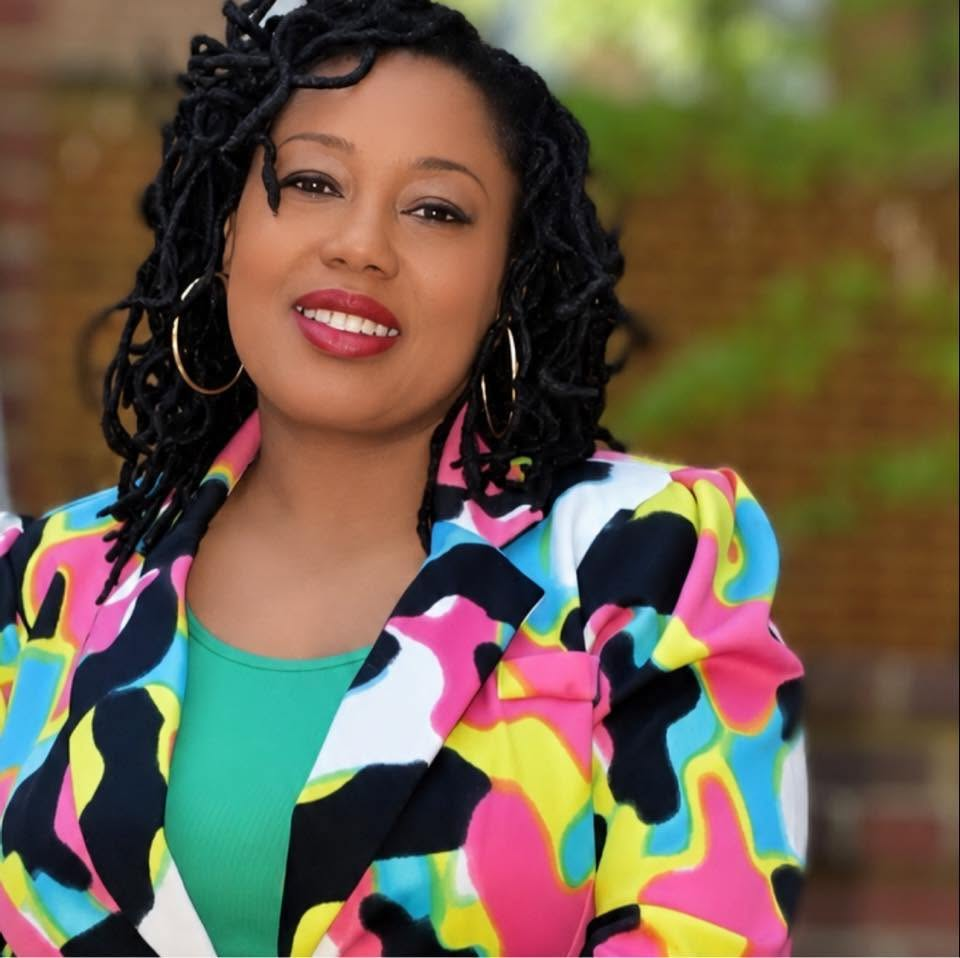
Raleigh, NC - When Shenette E. Swann speaks about cultural preservation, she doesn't just talk about artifacts behind glass. She speaks about living rooms filled with music, the quiet courage of local educators, and the transformative power of ensuring Black families feel seen.
As the newly appointed Director of the African American Cultural Resources Unit within the City of Raleigh’s Historic Resources and Museum Program, Swann steps into leadership with a clear, deeply personal compass. "These are big shoes to fill," Swann notes, "and I want to do it with grace and support."
To understand Swann’s approach to public history, one must look to her foundation. "I am the daughter of two heroes. Period," she says. Her parents, James and Brenda, forged a home where service and creativity went hand in hand. Her father, who retired from the United States Navy, was an enrolled student during the historic uprising at North Carolina A&T State University. Her mother, an educator and soul singer who carried childhood memories of seeing crosses burning in open fields, channeled her energy into grassroots action, serving as president of the Navy Wives Club and directing a nonprofit in Memphis, Tennessee, for families living below the poverty line.
Together, they were working musicians, raising Swann amid band rehearsals, resilience, and unapologetic joy. It was also her mother who placed the primary tools of cultural preservation directly into her hands. "When I was a child, my mother created a notebook she called ‘Black History.’ At a time when Black History Month in school often meant learning about the same few historical figures, she made photocopies of Black leaders and put them together in a notebook for me... I still have that notebook today." That notebook became the blueprint for a career dedicated to putting Black history and dignity into the hands of others.
Swann’s ten-year tenure at Marbles Kids Museum in the heart of downtown Raleigh served as a crucible for her community-centered philosophy. Upon entering the space, she posed an essential question: “What would it look like if Black families could walk into this space and know that they belong here?”
S he moved beyond surface-level representation, establishing cultural programs centered on Black artists, farmers, and innovators, alongside intentional staff dialogues addressing racial bias and tokenism. During this period, she created "Clumsy Conversations," an internal framework designed to let staff address uncomfortable issues around privilege, bias, and equity without needing all the answers upfront. The program's impact extended far beyond Marbles. Swann presented the model twice to the North Carolina Museums Council, earning the council's Diversity and Inclusion Award and offering institutions statewide a practical roadmap for engaging historically excluded audiences. "Inclusion is not simply about inviting people into a space," Swann explains. "It is about making sure they can recognize themselves once they arrive."
In her new role with the City of Raleigh, Swann oversees vital cultural landmarks, entering at a moment of significant revitalization: First, John P. "Top" Greene African American Cultural Park: Preparing for an extensive two-year renovation to expand its facilities and community programming. Next, the Pope House Museum: Continuing to expand its collections while breaking ground on a dedicated heritage garden honoring North Carolina's pioneering Black physician, Dr. Manassa Thomas Pope. Finally, South Park Heritage Trail: Promoting engagement along the 3.2-mile walking loop celebrating the historic South Park neighborhood.
Swann anchors her vision for these sites in three core actions: Remembering the foundational stories that built Raleigh, Celebrating current traditions and civic achievements, and Growing through deliberate, cross-generational dialogue.
Beyond her civic duties, Swann moves through the Triangle as a creative, a professional jazz and soul vocalist, songwriter, percussionist, and mental health journaling coach. Her journey underscores a message she urges the readers of The Carolinian to extend to the next generation: give young people room to evolve. "We can't always give them answers based on the world we grew up in," Swann advises. "What we can do is give them space to process what they are experiencing and come alongside them. Our communities become stronger when we replace judgment with support."
For Swann, the core of citizenship remains simple and actionable: "Community is what happens when we decide that our neighbor's story matters, that our history is worth preserving, and that the next generation deserves opportunities we may not have had."
Looking back, Swann realizes how much of her life's work was planted in her long before she knew what she would become. “My parents taught me that our history matters, our communities matter, and that we can experience hardship without losing our joy. My mother put Black history in my hands as a child, and in many ways, I've spent my career putting those stories into the hands of other people, especially children. Because I wasn't constantly trying to live up to someone else's expectations of who I was supposed to become, I had the space to discover who I actually was. We can guide them, support them, and help them navigate difficult experiences without deciding who they should be or what their lives should look like.”
