
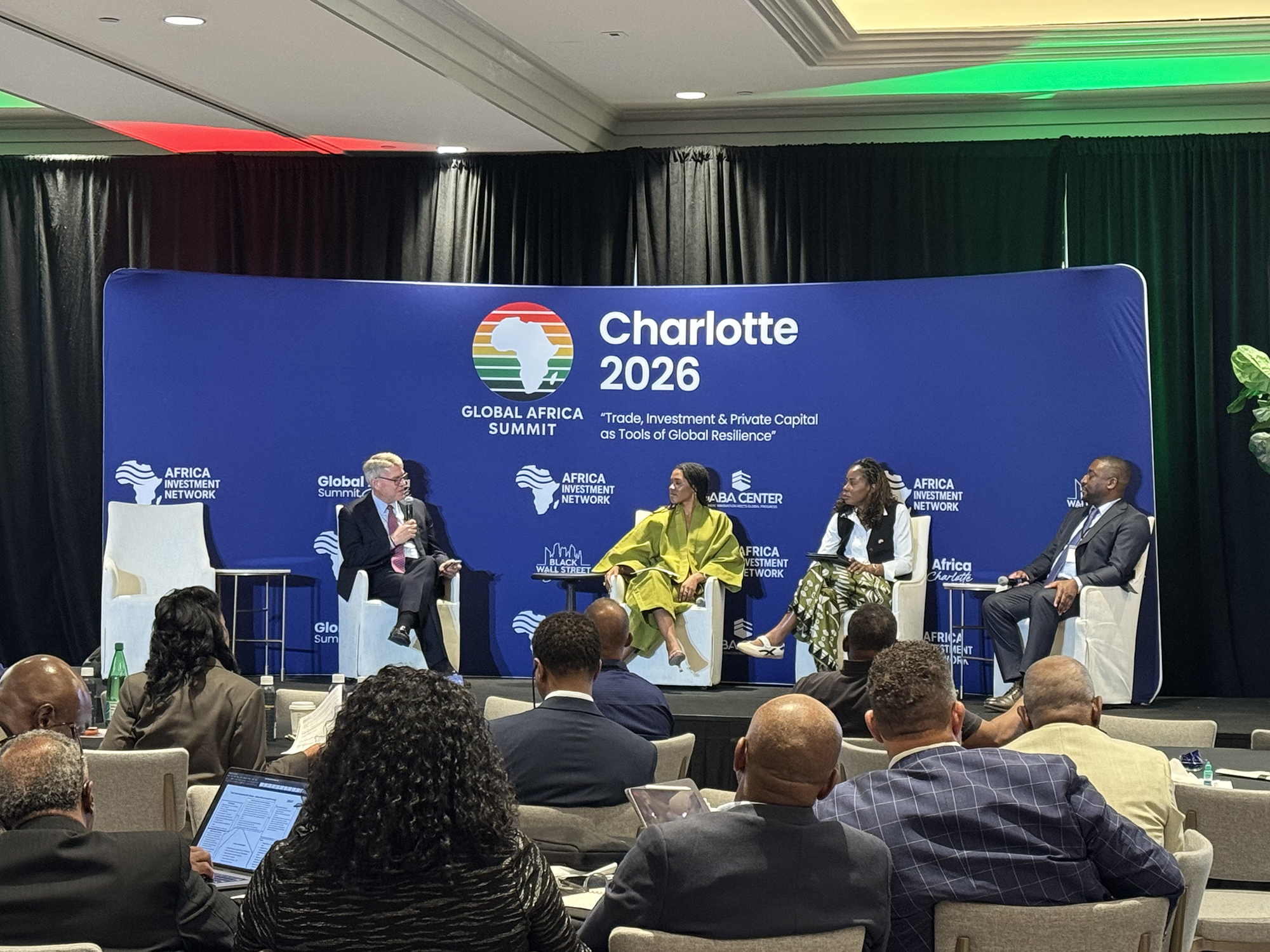
CHARLOTTE, N.C.— Charlotte became a meeting place for African, American and diaspora business leaders last week as the Global Africa Summit brought together investors, entrepreneurs, government officials and economic development leaders focused on expanding trade and investment between Africa and the global diaspora.
The three-day summit, held Sept. 8-10 at The Westin Charlotte, was organized by the Africa Investment Network in partnership with Black Wall Street Charlotte, the Global Africa Business Accelerator Center and other organizations.
The gathering was held during North Carolina's Africa Diaspora Heritage Month and centered on the theme, "Beyond Partnerships: Trade, Investment & Private Capital as Tools of Global Resilience."
More than 300 business leaders, investors, policymakers, entrepreneurs, corporate executives, academics and diaspora representatives were expected to participate, according to organizers. The summit was designed to move the conversation beyond cultural and diplomatic relationships and toward actual business transactions, investment and economic development.
For organizers, the distinction was important. Jane Reindorf-Osei, founder and CEO of the Africa Investment Network, said the summit was intended to create connections that could continue beyond the three-day event by opening markets, advancing trade and investment, showcasing innovation and creating opportunities for collaboration.
The summit's discussions reflected the changing economic relationship between Africa and the rest of the world.
Among the issues discussed were private investment, entrepreneurship, financial technology, artificial intelligence, critical minerals, global supply chains, workforce development, real estate, energy and cross-border trade. Organizers emphasized the role of private capital and African diaspora investors in building businesses and creating long-term economic opportunities.
British A. Robinson, chair of Africa at the Milken Institute International and former leader of the U.S. government's Prosper Africa initiative, delivered an opening keynote titled "Building the Bridge: U.S.-Africa Trade, Investment Policy & the Diaspora Imperative."
Robinson pointed to several major trends that could reshape Africa's role in the global economy, including the continent's rapidly growing young population, digital transformation, urbanization, energy transition and access to critical minerals. She also emphasized Africa's growing geopolitical importance.
Dr. Rachel Laryea, founder of Black Capitalism LLC and author of "Black Capitalist," delivered another keynote addressing economic power, capital and global resilience. Her presentation focused in part on diaspora capital, entrepreneurship and the importance of moving from simply sending money across borders to building ownership and wealth.
That concept — moving from remittances to ownership — was one of the larger themes running through the summit.
For many participants, the African diaspora represents more than a cultural connection to the continent. It represents a potential source of investment capital, business expertise, technology and market access.
The summit also featured African leaders, including His Royal Majesty Nii Nortey Owuo IV, paramount chief of the Osu Traditional Area in Accra, Ghana. He spoke about Africa's young population and the opportunity to develop a highly trained workforce capable of influencing the global economy.
A major component of the summit was its effort to connect investors with businesses and projects seeking capital.
Organizers promoted a deal-focused approach intended to give investors opportunities to examine projects, meet entrepreneurs and explore potential investments. The approach reflects a broader effort to shift conversations about Africa from development assistance toward trade, investment and private-sector growth.
Charlotte's role as the host city was also significant. The city is one of the nation's major financial centers and has a growing technology, health care, manufacturing and entrepreneurial economy. Summit organizers said Charlotte provides an opportunity to connect North Carolina companies and institutions with African markets while also creating opportunities for African companies and investors to establish relationships in the United States.
The summit's organizers also sought to strengthen connections between African businesses and members of the diaspora throughout the Carolinas.
The gathering concluded with a dinner and awards gala at Foundation For The Carolinas, bringing together summit participants for an evening that combined business networking with African and diaspora cultural celebrations.
For North Carolina, the significance of the summit could extend beyond the three days of meetings. The state has a large and growing African diaspora, major universities, financial institutions, manufacturers, agriculture and technology companies. Those assets could provide a foundation for stronger commercial relationships with African nations as companies increasingly look for new markets, suppliers, investment opportunities and talent.
The challenge now is turning conversations into measurable results.
If relationships formed in Charlotte lead to new investments, exports, business partnerships, jobs and long-term connections between North Carolina and African markets, the summit could become more than an annual gathering, it could become part of a larger effort to build a sustained economic bridge between North Carolina, the United States, Africa and the global African diaspora.
