
By Jheri Hardaway
Staff Writer
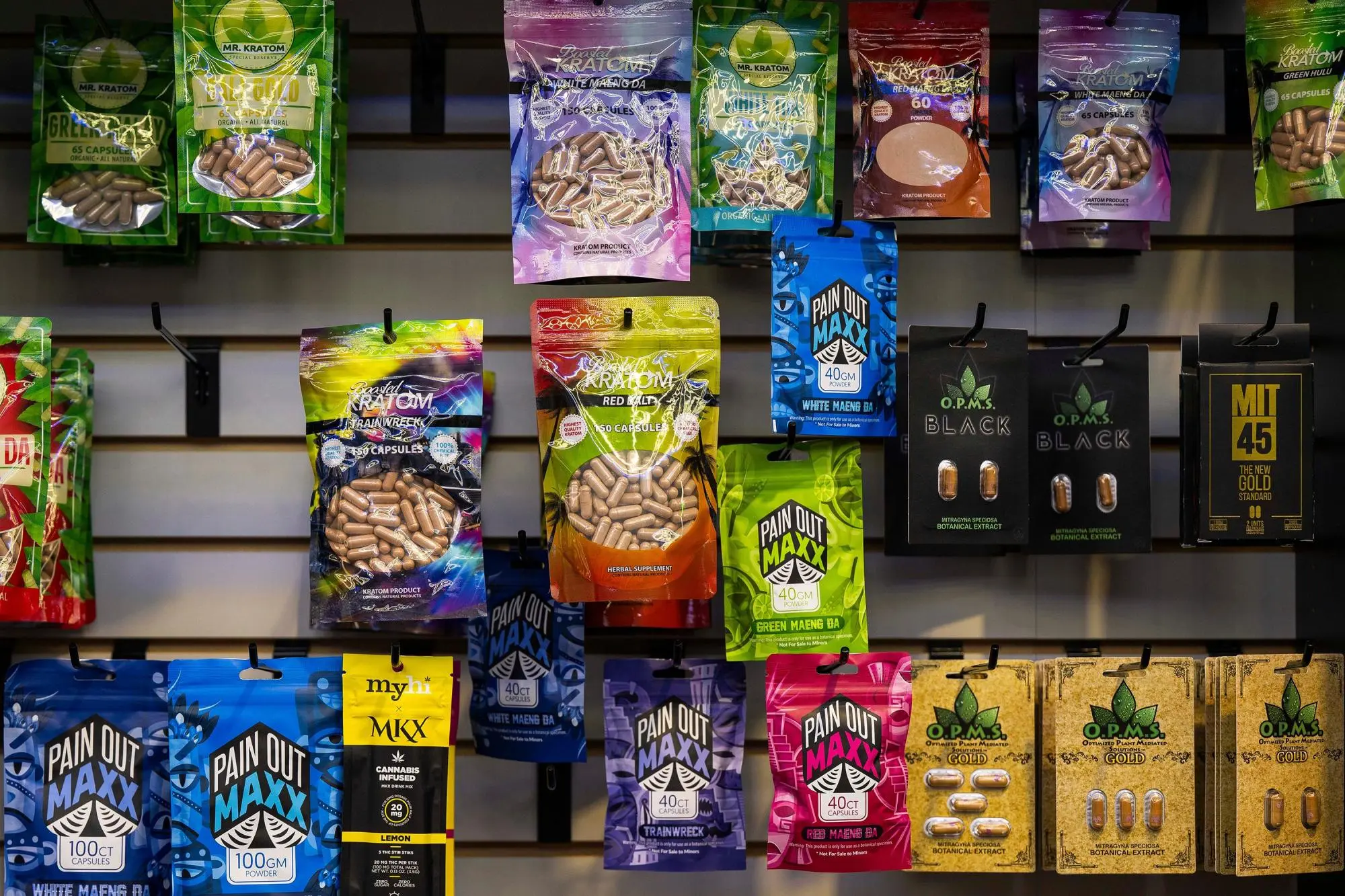
Sitting on display in local gas stations, smoke shops, and corner markets right next to energy drinks and candy bars, you’ll find Kratom. National Institute on Drug Abuse has reported that people report using kratom to “alleviate pain, to address symptoms of mental health conditions like anxiety and depression, to help stop or reduce opioid or other substance use, and to manage withdrawal symptoms and cravings related to opioids and other drugs.”
Packaged as colorful gummies, energy shots, or herbal teas, it is aggressively marketed as an all-natural remedy for stress, pain, and fatigue. To the average consumer, it appears harmless, just another wellness supplement on a crowded shelf. Kratom is dangerous, an unregulated psychoactive substance derived from a Southeast Asian tree (Mitragyna speciosa), according to U.S. Drug Enforcement Administration. While proponents frame it as a gentle herbal aid, public health officials, medical toxicologists, and federal regulatory agencies warn that kratom acts on the body’s opioid receptors, posing serious risks of addiction, organ toxicity, and severe physical harm.
One of the greatest misconceptions surrounding kratom is that because it comes from a plant, it is inherently safe. Kratom leaves contain active compounds, primarily mitragynine and 7-hydroxymitragynine (7-OH). In lower doses, these alkaloids produce a stimulant-like effect, increasing heart rate and alertness. At higher doses, however, they bind directly to the brain’s opioid receptors. The result is a sedative effect that mimics classic opioids like morphine or prescription painkillers. Because it acts on these same pathways, long-term or heavy use of kratom can lead to physical dependence and addiction. Users who attempt to quit often suffer severe withdrawal symptoms, including intense anxiety, depression, and irritability, severe muscle aches and body tremors, insomnia, restlessness, and gastrointestinal distress.
A local family shared their experience, “Addiction doesn’t just affect the person using the drug. It affects the entire family. Watching my 32-year-old son become addicted to kratom has been heartbreaking. It changed his personality, and his body became so dependent on it that he would shake and go through painful withdrawals if he didn’t have it. What makes it even more concerning is how easy it is to buy. He can get it at vape shops and even convenience stores. Families like ours are left watching someone we love become trapped by a product that’s marketed as if it’s harmless.”
While marketed for general wellness, health records tell a much more dangerous story. Poison control centers across the United States regularly receive calls regarding kratom exposures. Clinical reports link the substance to a wide array of adverse physical and neurological events, including dangerously slow breathing, elevated heart rate (tachycardia), and erratic blood pressure. Neurological side effects like confusion, hallucinations, extreme agitation, and even grand mal seizures have been reported. Physicians have documented instances of acute liver injury and failure directly linked to kratom consumption, characterized by jaundice, elevated liver enzymes, and abdominal pain.
Adding to the inherent pharmacological risks is a total lack of regulatory oversight. The FDA has not approved kratom for any medical use or as a legitimate dietary supplement. Because kratom is largely manufactured outside standard regulatory safeguards, product purity varies wildly. Independent testing and federal surveillance of commercial kratom products have repeatedly revealed contamination, as some samples have tested positive for dangerous heavy metals, including lead and nickel, as well as bacterial pathogens like Salmonella. Some suppliers have been caught lacing products with synthetic compounds, prescription narcotics, or illegal drugs to artificially boost potency. There has also been deceptive labeling. Consumers rarely know how much active alkaloid they are ingesting per dose due to inconsistent or nonexistent third-party testing.
Several states and municipalities have stepped in to restrict or completely ban the sale of kratom and high-potency 7-OH products, inconsistent laws leave millions exposed to easily accessible harm. With kratom displayed alongside ordinary snacks and convenience items, consumers will remain susceptible to the dangerous illusion that "natural" means safe. Uncovering the truth about kratom requires clear, evidence-based education: it is a potent, addictive, and largely unregulated drug disguised as everyday wellness. Without stricter federal oversight and heightened public awareness, vulnerable individuals seeking relief will continue to fall prey to a chemical trap waiting at the corner store.
