
By Jheri Hardaway
Staff Writer
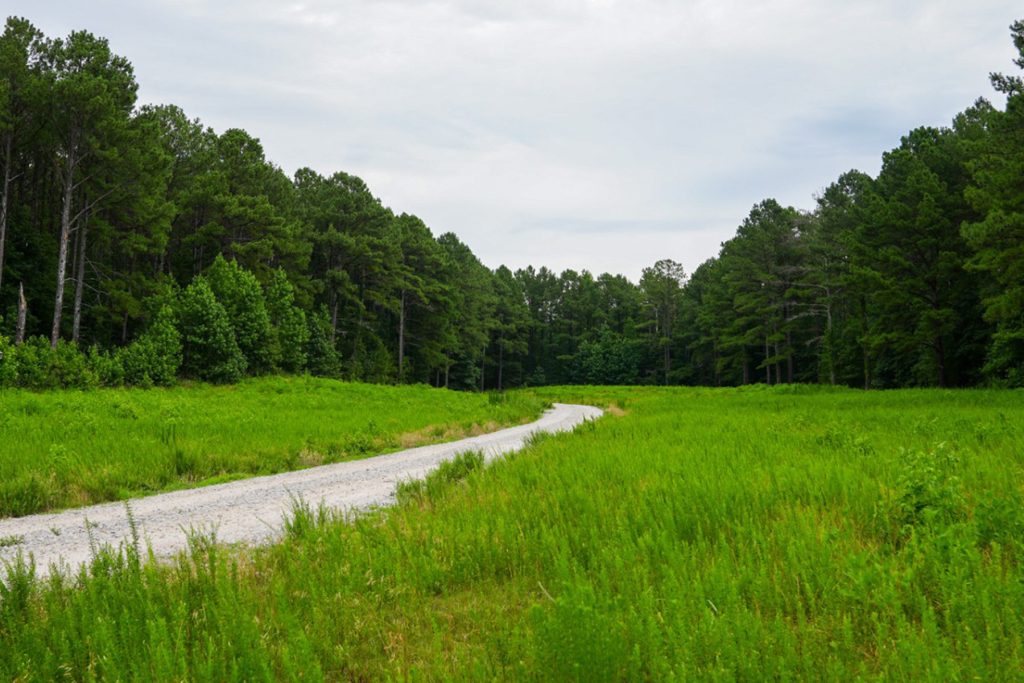
Buies Creek, NC - On a webpage dedicated to ending Campbell University's River Park Clear-Cutting Plan, a citizen shared the following: “I remember walking through the woodlands of Campbell University's River Park, a place that seemed to hold history under its canopy. Those 380 acres along the Cape Fear River were where I, along with countless others, learned to read a landscape, connect with nature, and understand what environmental stewardship actually looks like in practice.” That living classroom is now under threat. A controversy is brewing at Campbell University as students, alumni, and local residents mount a campaign to halt a proposed plan to clear-cut a significant portion of the university’s 380-acre River Park.
The university’s proposal involves clear-cutting 226 acres of 40-year-old mixed forest and selectively harvesting remaining bottomland hardwoods along the Cape Fear River. The decision has sparked intense debate, with critics arguing that the environmental and educational cost of the project far outweighs the projected financial returns.
For many within the Campbell community, the park is not merely undeveloped land; it is a vital "living classroom." According to advocates, the park is currently utilized by at least ten academic courses, providing a unique environment for hands-on learning in biology, ecology, and environmental science. Environmental concerns are also mounting. Preservationists warn that the plan could displace 118 documented bird species and destroy decades of ecological maturity that cannot be easily recovered.
"Campbell has always stood for faith, education, and service to community," said a spokesperson for the grassroots coalition #SaveCURiverPark. "This decision reflects none of those values." The coalition is demanding that Campbell University take immediate steps to protect the site, including:
Halt all clearing activities: An immediate stop to the clear-cutting and selective harvest plan.
Collaborate with faculty: Engagement of the university's own environmental science, ecology, biology, and public health faculty to develop a comprehensive, sustainable management plan.
Preserve access: Reopening the park for use by students and the broader community.
Explore conservation: A commitment to pursue permanent conservation alternatives, such as land trusts or easements, to preserve the forest’s educational and ecological value long-term.
As the movement gains traction, proponents of the park are urging stakeholders to recognize that the land offers more long-term value as an educational model than as a source of short-term timber revenue. Those interested in following the campaign or supporting the petition can find more information at SaveCURiverPark.org or by following the hashtag #SaveCURiverPark.
