By Jordan Meadows
Staff Writer
The Food Bank of Central & Eastern North Carolina is continuing its “Stop Summer Hunger” campaign through July 31 as officials warn of what they describe as the most severe hunger crisis in generations across the region.
The campaign, which focuses on addressing food insecurity during the summer months when school meals are unavailable, aims to provide 7 million meals to families across central and eastern North Carolina. As of mid-July, the organization reported surpassing 5 million meals toward that goal.
Food bank leaders say the need is being driven in part by the loss of access to school-based meals. When schools close, families must provide an additional 10 meals per week per child. Recent data shows more than 168,000 school-age children and teens in the region are experiencing food insecurity. Statewide, more than 607,000 people lack consistent access to nutritious food, according to the latest research cited by the organization.
The campaign includes a donation-matching component supported by corporate partners. While a one-day triple-match event took place last Thursday,, current donations are being double-matched up to $100,000, increasing the number of meals that can be distributed through the network.
During the earlier match period, officials said a $10 donation could help provide up to 90 meals.
Food bank officials say the current demand for assistance is comparable to levels seen during the Great Recession, citing a combination of economic pressures, including rising housing, food, and fuel costs, along with reductions in some state and federal support programs. Stricter federal work requirements tied to Supplemental Nutrition Assistance Program (SNAP) benefits have also added strain to households and nonprofit providers.
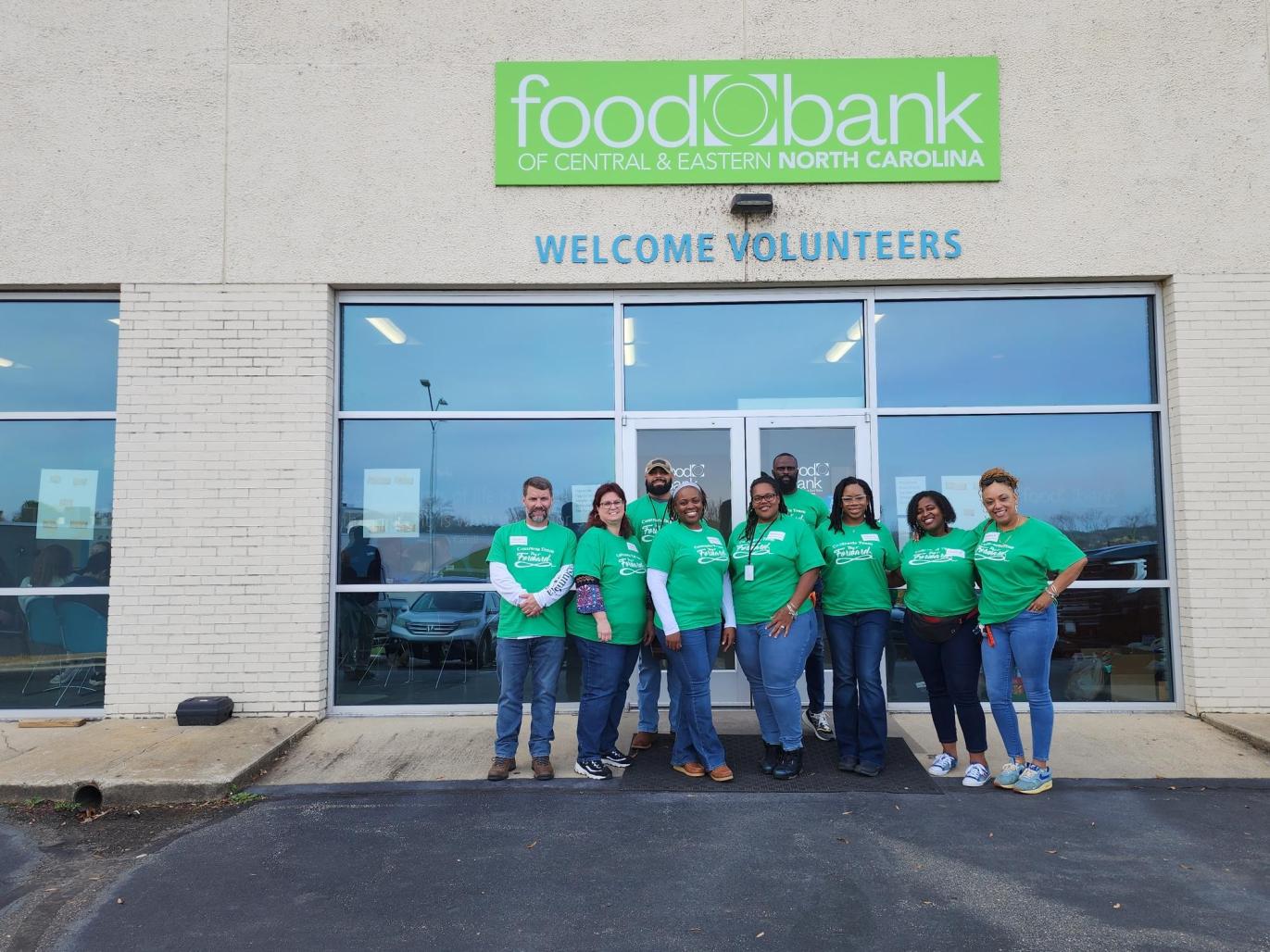
The Food Bank of Central & Eastern North Carolina operates as a regional hub in a broader hunger relief network, serving 34 counties through a system of more than 700 partner organizations. These include food pantries, soup kitchens, shelters, and community meal programs. The organization distributes food from six regional warehouses located in Raleigh, Durham, Greenville, New Bern, the Sandhills, and Wilmington.
Local organizations working with the food bank say summer programming is critical for children who rely on school meals during the academic year.
Faith Lam, associated with a summer program in Greenville, said the absence of school cafeterias increases the need for community-based meal services.
“It’s very important. It’s crucial to some of our summer campers during the summer months. There is no cafeteria food that they will receive during the school year,” Lam said. “So during the summer we are bridging that gap and filling that food insecurity need by providing fresh breakfast and hot lunches every single day.”
In addition to food distribution, the organization provides assistance with SNAP applications and disaster relief services, including food and water distribution during emergencies such as hurricanes.
The food bank is part of Feeding America, a national network of more than 200 food banks, and participates in Feeding the Carolinas, a regional coalition focused on food access policy and coordination.
State lawmakers recently approved Senate Bill 257, which provides more than $9 million in additional funding for the network, a move officials say will help support operations as demand continues to rise.
The organization is also preparing to open a new Food Lion Feeds Hunger Solutions Center in Durham, with a grand opening scheduled for Tuesday. The facility is expected to expand distribution capacity and support long-term hunger relief efforts in the region.