
By Jordan Meadows
Staff Writer
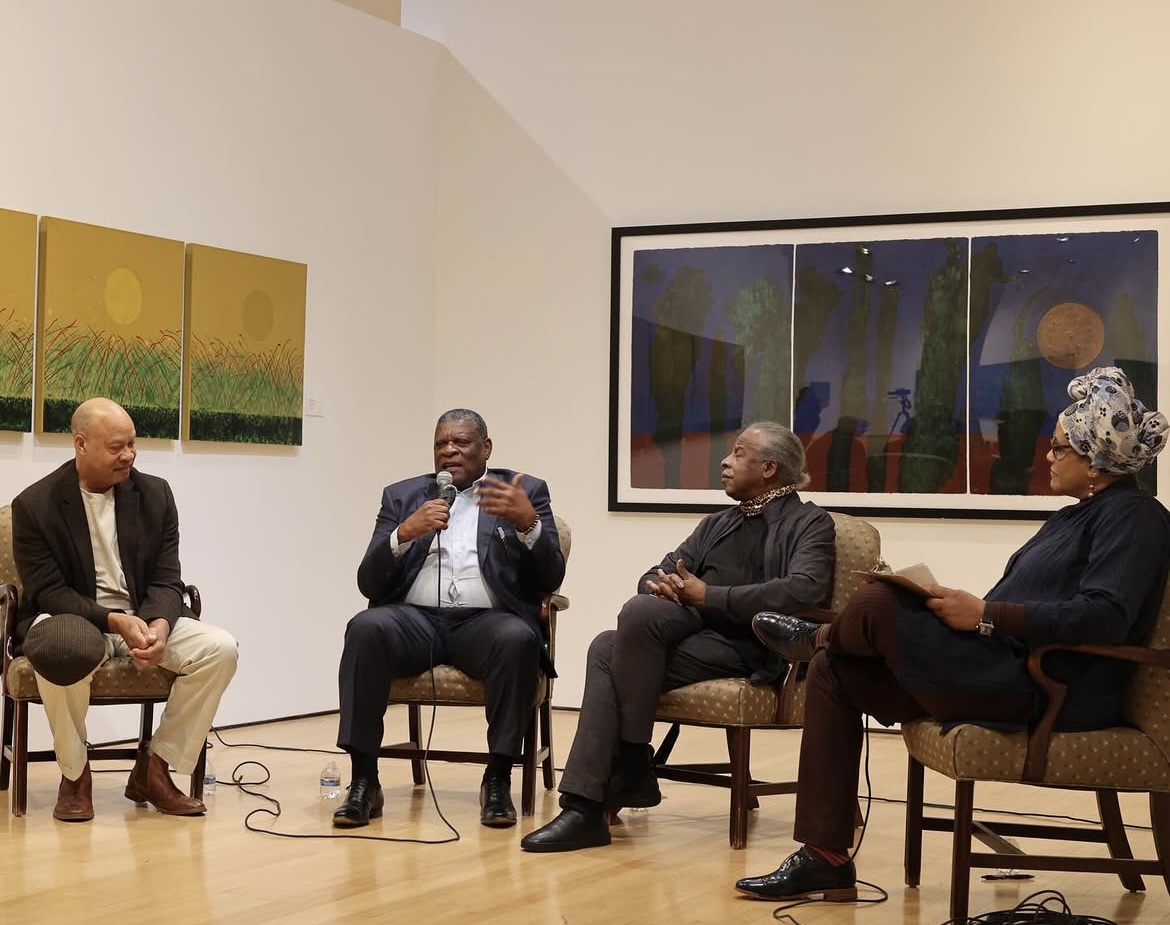
A Juneteenth celebration at the North Carolina Museum of Art on Friday highlighted the life and legacy of Thomas Day, a free Black cabinetmaker whose artistry shaped architectural style across North Carolina in the decades before the Civil War.
Attendees gathered to learn of Day’s contributions not only as an artisan, but as a businessman, community figure, and symbol of Black achievement in the antebellum South. Born in 1801 to free parents in Virginia, Day would go on to become one of the most prominent cabinetmakers in North Carolina.
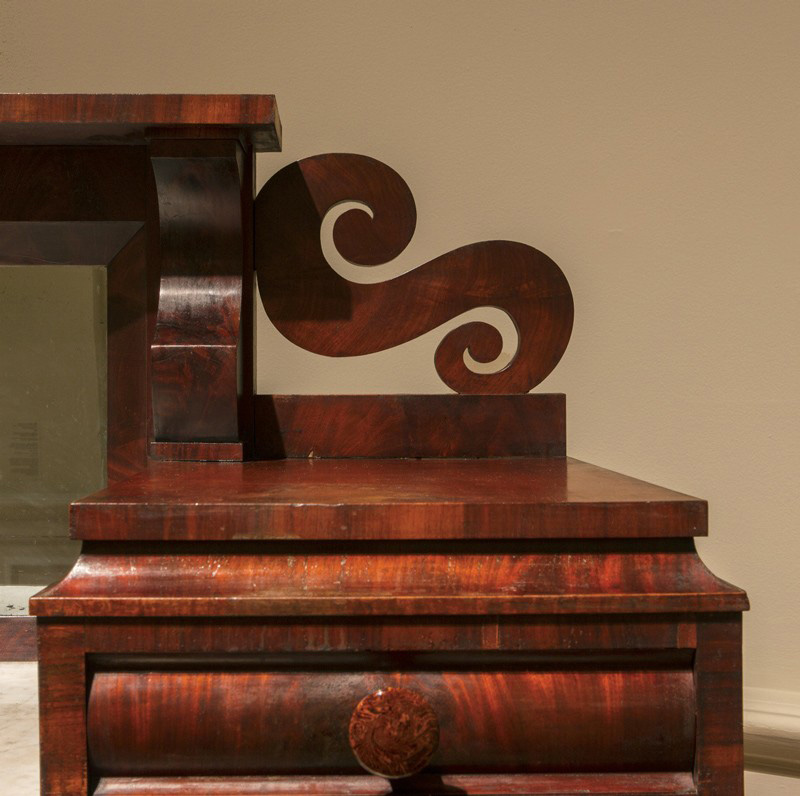 By the 1820s, he had settled in Milton, a small town in Caswell County, where he established a cabinet shop that would grow into one of the largest and most respected in the state. His work blended classical European styles — particularly Greek Revival and Empire — with flowing forms that became uniquely associated with his workshop.
Day’s business served an elite clientele, including political leaders and wealthy planters seeking to display status through finely crafted interiors. He produced not only furniture, but also architectural elements such as staircases, mantels, window frames, and intricate interior woodwork. Today, his craftsmanship is still visible in roughly 80 homes across North Carolina and Virginia.
At a time when most African Americans were enslaved, and free Black individuals faced severe legal and social restrictions, Day owned property, operated a thriving business, and even trained white apprentices. He became a major stockholder in a local bank and acquired multiple properties in and around Milton, including his residence and workshop in the historic Union Tavern building.
In 1830, after marrying Aquilla Wilson in Virginia, Day had to petition the North Carolina General Assembly to allow his wife to legally enter the state due to laws restricting the movement of free Black people. The petition, supported by dozens of white citizens, described Day as an industrious and respected member of the community.
Day contributed to the interiors of public and institutional buildings, including work associated with the University of North Carolina during the 1840s. He also crafted furnishings for churches in Milton, including the Presbyterian Church, where he and his family worshiped. Despite decades of success, Day’s business faced financial hardship in the late 1850s amid a national economic downturn and the persistent limitations placed on free Black entrepreneurs.
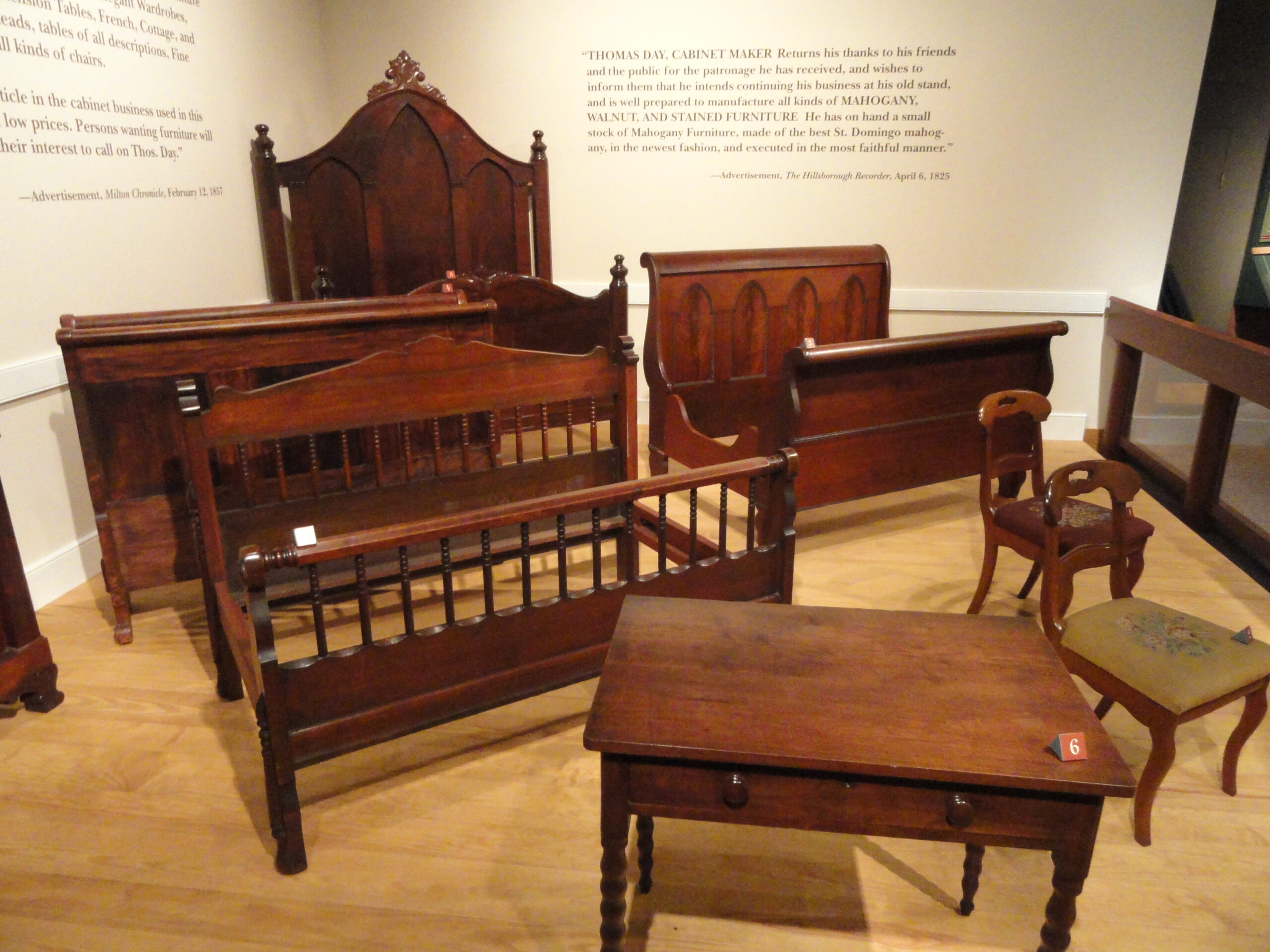
Though he managed to recover with the help of his business partner Dabney Terry, Day disappeared from public records around 1861 and is believed to have died that year.
Scholars and historians have come to recognize Day as one of the foundational figures in North Carolina’s furniture-making tradition. His work has been featured in major exhibitions, and he was posthumously inducted into the American Home Furnishings Hall of Fame in 2024.
At the Juneteenth event, speakers and organizers emphasized how Day’s story proved both the possibilities and constraints of Black life in early America.
