
By Jordan Meadows
Staff Writer
For years, residents of Chatham Estates in Cary lived with uncertainty after the property’s owner first announced plans to sell the mobile home park in 2023. What initially felt distant slowly became reality.
By Christmas Day 2025, eviction notices confirmed what many had feared: the community, home to more than 700 residents across 144 mobile homes, would be cleared to make way for redevelopment, with a firm move-out deadline of June 30, 2026. What followed was a gradual unraveling of one of Cary’s last remaining pockets of affordable housing.
Families began leaving in waves—some securing apartments, others purchasing homes for the first time, and many struggling to find affordable options in a rapidly changing housing market. By the end of April, roughly 50 families had already relocated, with that number steadily rising as the deadline approached.
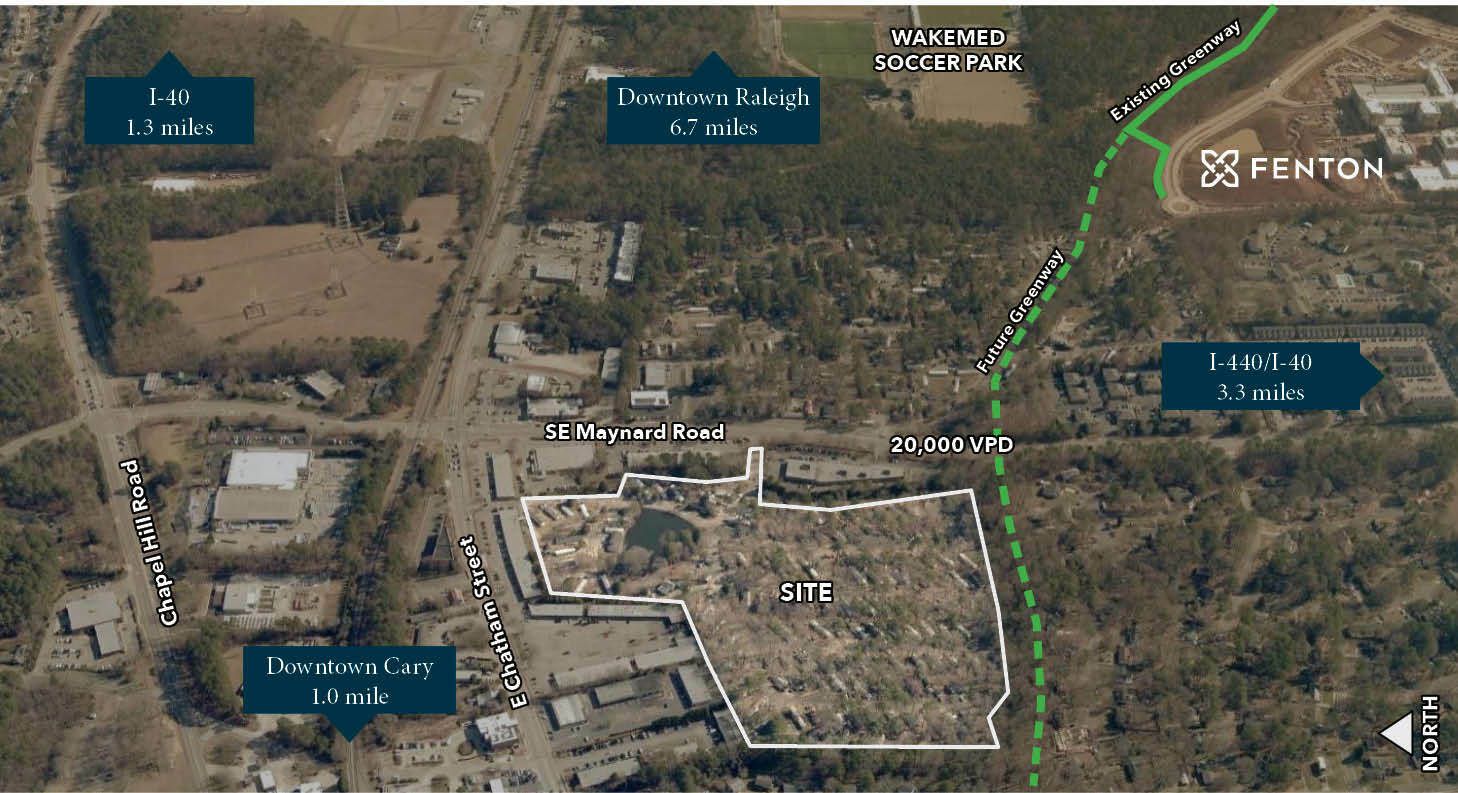
The closure marked a stark turning point for a community that had quietly persisted through decades of transformation around it. When Chatham Estates was established in the late 1990s, Cary was still a relatively quiet suburb, and the property was valued at around $2 million in today’s dollars. By 2026, that same land—just minutes from downtown and across from new mixed-use “live-work-play” developments—was worth nearly $27 million. The site was ultimately sold to Toll Brothers, with plans for a luxury redevelopment expected to begin in 2027.
For residents, many of whom are Hispanic, Black, and working-class, the rising value of the land translated into a shrinking number of affordable options. The cost gap they faced was steep: median rent in Cary had climbed to about $1,800 per month, several times higher than what many paid in the mobile home park, while median monthly housing costs for homeowners with mortgages approached $2,400.
In response to the looming displacement, the Town of Cary launched the StableHomes Cary program, committing $800,000 to help residents transition. The initiative offered assistance with security deposits, first month’s rent, down payments, and moving expenses. The town partnered with NeighborUp to lead the relocation effort, a task the nonprofit described as unprecedented in scale.
Through workshops and one-on-one support, the organization worked with nearly every family in the community to develop relocation plans. By early 2026, the organization had received more than 120 applications for assistance and had already helped dozens of families move into new housing. Some were able to remain in Cary, while others relocated to nearby towns.
"We have helped folks move into new apartments and move their actual mobile homes to new locations," Hobbs said. "We've helped a number of families purchase homes for the first time, which is so exciting," said Shelley Hobbs, the group's vice president of communications.
A number of seniors secured placements in affordable housing developments such as Rose Park Manor.
Even with that support, the transition proved complex and emotionally taxing: language barriers, financial constraints, and the logistics of moving created significant challenges. Advocates, including organizers with the North Carolina Congress of Latino Organizations, said many families still needed guidance navigating aid programs and securing stable housing as the deadline drew closer.
Town officials acknowledged challenges while emphasizing the limits of their authority.
“We’re not able to stop the residents from needing to move,” one local leader said, “but we need to do whatever we can to make this transition as easy as possible,” said Cary Councilwoman Michelle Craig.
At the same time, some residents and advocates pushed for additional support, including direct appeals to the developer for more relocation assistance.
As the June 30 deadline approached, the future of the land—and the people who once lived on it—reflected two sides of the same reality. Cary’s rapid growth had made the property far more valuable than it was decades ago, attracting large-scale redevelopment. But that same growth also displaced one of the few remaining communities where working-class families could still afford to live.
