
By Jordan Meadows
Staff Writer
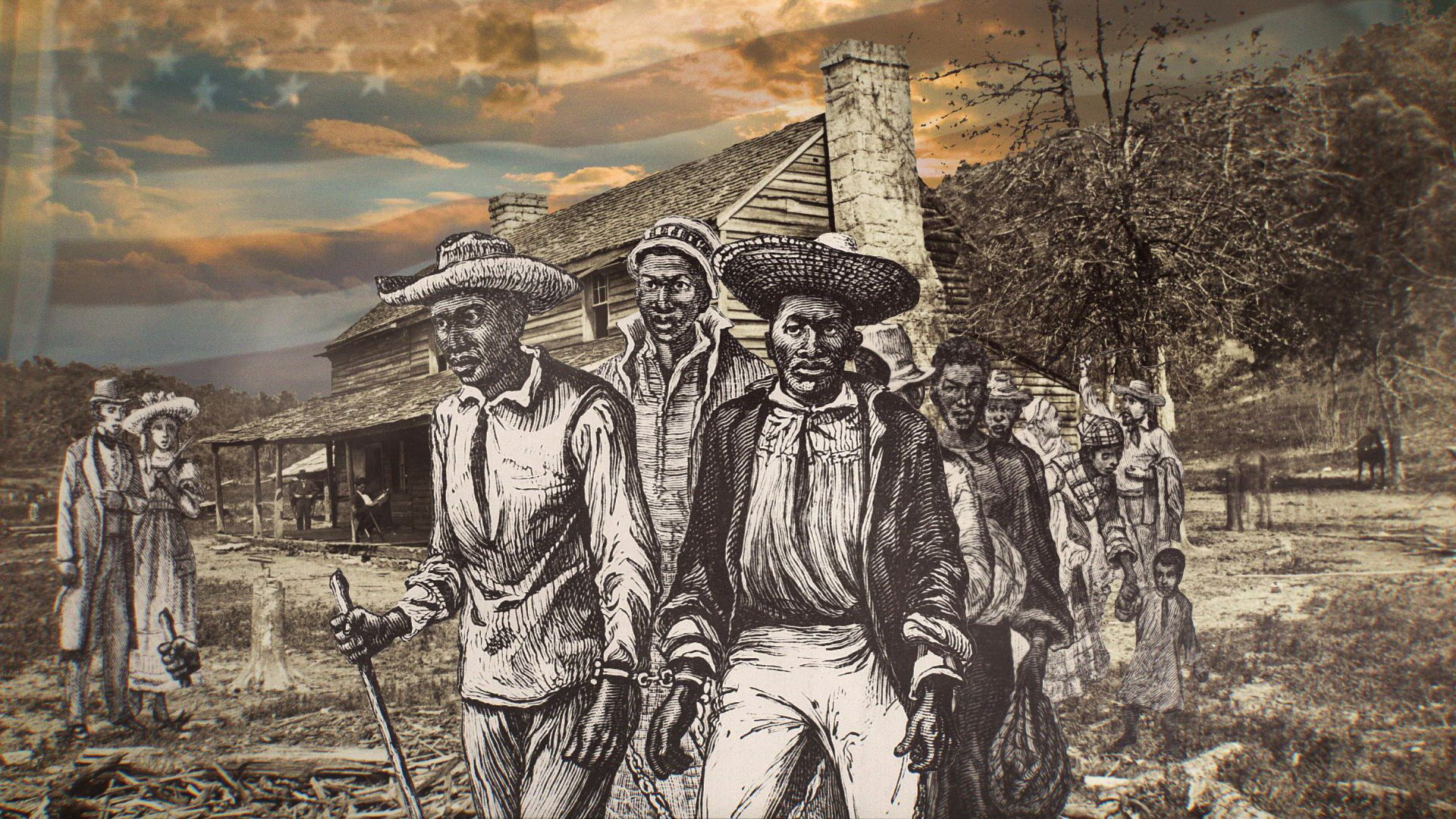
The Civil War dramatically reshaped the lives of enslaved people in eastern North Carolina, particularly after Union forces captured key coastal towns in 1862. Before the war, the conditions faced by enslaved African Americans in the region were harsh and restrictive.
Union forces launched a campaign to seize the North Carolina coast, with the reluctant approval of President Lincoln, in early 1862. The expedition began in the Outer Banks and moved inland, capturing several key locations, including Roanoke Island, New Bern, Washington, Beaufort, and Morehead City.
The fall of New Bern in particular became a defining moment for enslaved people across eastern North Carolina. News of the Confederate defeat spread quickly through nearby plantations and rural communities, signaling that Union forces now controlled a major stronghold in the region.
As they arrived at Union camps, their legal status was uncertain because under U.S. law, they were still technically considered property. Union commanders initially struggled with how to handle the influx of refugees until they declared escaped enslaved people “contraband of war,” arguing that their labor supported the Confederate war effort and could therefore be seized by the Union army.
The policy allowed Union forces to keep them within military lines and prevented their return to enslavers. By 1862, reports estimated that roughly 10,000 freedpeople had gathered in New Bern and other Union-controlled areas across eastern North Carolina.
These newly freed men and women quickly became active participants in the Union war effort. Across the camps, they helped construct fortifications, cooked for soldiers, cared for the sick, and assisted with the daily operations of military bases. Black men were not initially permitted to serve as soldiers, but many contributed as scouts and spies. Their deep knowledge of the region’s rivers, swamps, and coastal terrain proved invaluable to Union commanders unfamiliar with the landscape.
Freedpeople also began building communities around the Union camps. In and around New Bern, they constructed homes, opened small trade shops, and cultivated garden plots to help feed their families during the war. Education quickly became a priority as well.
In 1862, educator Vincent Colyer established the first formal school for formerly enslaved people in New Bern. Yet African Americans themselves had already begun teaching one another before outside missionaries arrived. Black teachers such as Martha Culling organized schools in contraband camps.
While the Union presence created new opportunities for freedom, the war continued to bring violence and uncertainty. In April 1864, Confederate forces captured Plymouth, North Carolina, and reports soon emerged of a massacre of Black residents and Union supporters following the town’s surrender. Although the exact number of victims remains unknown, the attack sent hundreds of freedpeople fleeing toward the safety of Union-controlled New Bern.
Throughout the war, several refugee communities formed across the North Carolina coast as enslaved people escaped to Union territory. One of the earliest was Hotel De’Afrique near Hatteras Inlet, where enslaved people from the Outer Banks settled in abandoned military barracks after Union forces captured the area in 1861. Similar contraband camps emerged in Washington, Beaufort, and Morehead City as the Union tightened its hold on the coast. By January 1864, nearly 2,500 freedpeople were living in the camp at Beaufort alone.
Out of this network of wartime settlements emerged one of the most enduring communities of freedmen in the state. After the fall of Plymouth, a settlement formed along the Trent River just across from New Bern. Known at the time as the Trent River Settlement, the community grew as freedpeople built homes, churches, and businesses. Over time, it became known as James City.
