By Jheri Hardaway
Staff Writer
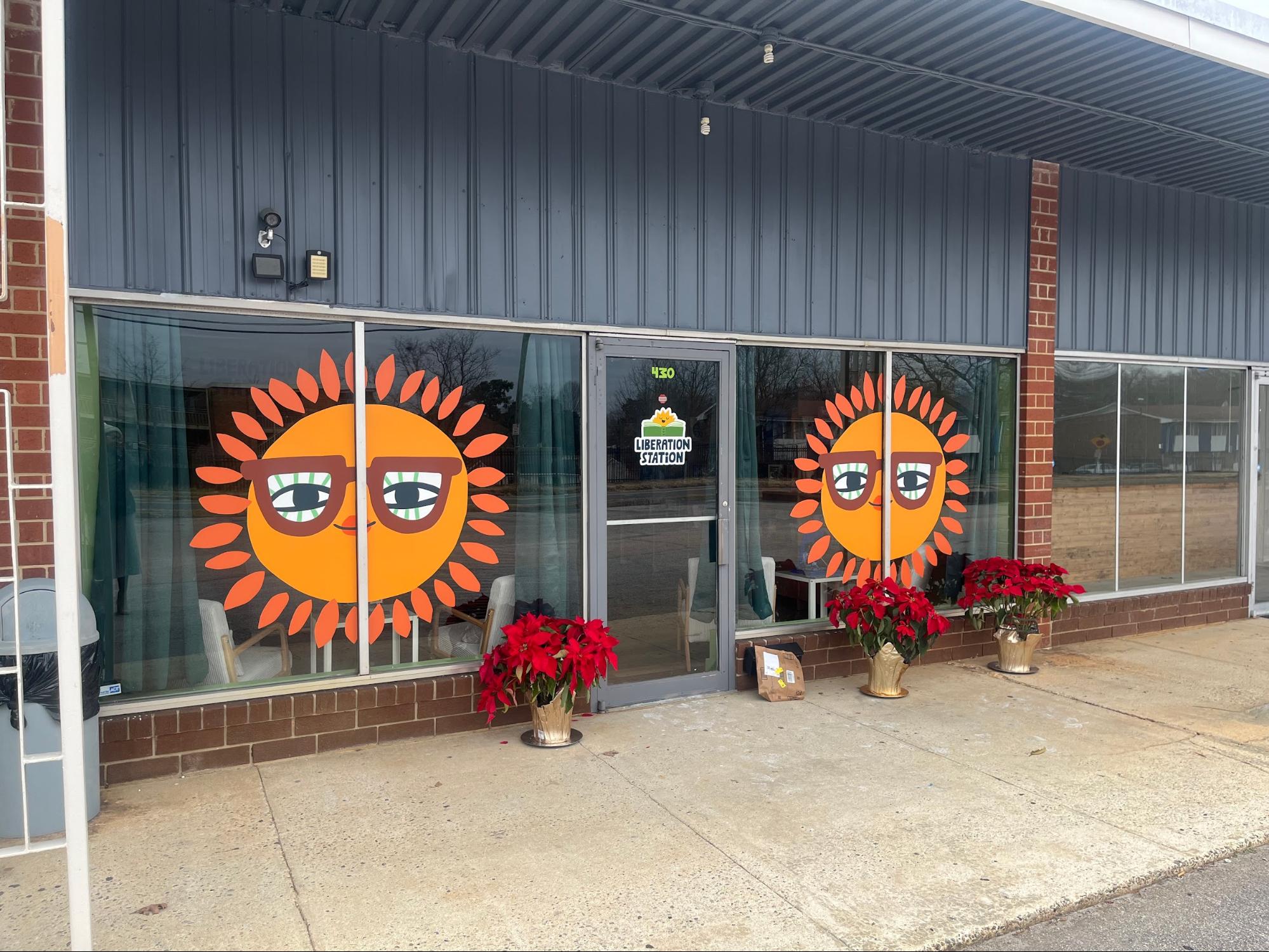
In the world of entrepreneurship, the "third time" is often cited as a charm, but for Victoria Scott-Miller, the founder of Liberation Station, this third iteration feels less like luck and more like a spiritual homecoming. From the humble beginnings of selling books out of a car trunk to navigating the complexities of physical storefronts that didn't quite fit the vision, Scott-Miller has arrived at her newest location with a sense of profound empowerment. This isn't just a bookstore; it’s a sanctuary. "In this space, I feel so empowered as a Black woman, as a mother, doing this work alongside my children," Scott-Miller shares. "It feels spiritually protected... it feels like fertile ground."
In an era where viral social media moments often dictate business success, Scott-Miller is taking a radical, counter-cultural stance on sustainability. While most retailers dream of "selling out," she discourages the trend of massive groups descending on the shop with the sole intent of buying every book on the shelf for a photo-op. The reason? It isn’t sustainable for a "one-woman run show," and more importantly, it disrupts the experience for the very people the shop was built for: children.
"It robs children, who are seeing themselves for the first time, of the opportunity to come into a space that is full and abundant," Scott-Miller explains. "They don't deserve a 'closed' sign for three weeks because I’m waiting on inventory." For Scott-Miller, the shop is a work of intentional curation. She isn't just "throwing books up" on a shelf; she is crafting a mirror for the community. She advocates for a "slow-burn" support model—instead of 200 people coming at once, she suggests smaller groups of ten visiting monthly to ensure the shop remains a consistent, vibrant resource.
As a traditionally published author with Simon & Schuster, Scott-Miller understands the "bureaucratic gymnastics" and red tape that often keep talented writers on the sidelines. Liberation Station is designed to dismantle those barriers. The shop is actively seeking self-published and independent authors to bring them to the forefront. By hosting local authors on a weekly basis, Scott-Miller is creating a "footprint" for those who lack the PR machinery of the "Big Five" publishing houses. Interested authors can bypass the gatekeepers by filling out a co-creation questionnaire on the bookstore’s website.
To ensure that Liberation Station remains a permanent fixture in the community, Scott-Miller has launched a Sustainability Fund via the Ko-fi platform. With memberships ranging from $4 to $42, the fund aims to cover overhead costs like rent, allowing the team to focus entirely on innovative programming and community engagement. "It allows us to put our time and energy elsewhere," she says, emphasizing that the community’s consistent, long-term investment is what will keep the doors open and the shelves stocked.
As Liberation Station settles into its new home, it stands as a testament to the power of persistence and the beauty of building something that belongs to everyone. In this "fertile ground," the next generation of readers and writers is finally finding the space to grow.
