Every February, Black History Month serves as a national reminder—but more importantly, a call to action . It asks Americans to confront the truths of our shared past, acknowledge the struggles and triumphs of African Americans, and celebrate the transformative contributions that have shaped the nation. Far more than a symbolic observance, Black History Month is a commitment to remembering, teaching, and living the lessons of history so the country can continue moving toward justice, equality, and collective progress.
The significance of Black History Month lies not just in honoring well-known figures, but in understanding the broad spectrum of leaders whose courage, innovation, and resilience changed America. Their stories reflect the complexity of the Black experience and demonstrate how African Americans have persistently pushed the nation toward its highest ideals.
From economic self-determination to political activism, from education to entrepreneurship, from nonviolent resistance to radical calls for liberation, the contributions of Black changemakers are foundational to the American story. Figures like Marcus Garvey, Nat Turner, Mary McLeod Bethune, Madam C.J. Walker, Fannie Lou Hamer, Martin Luther King Jr., and Malcolm X each shaped pivotal chapters in the struggle for freedom. Their legacies illuminate why remembering—and continuing—their work is essential.
Economic Empowerment and Self-Determination: The Vision of Marcus Garvey
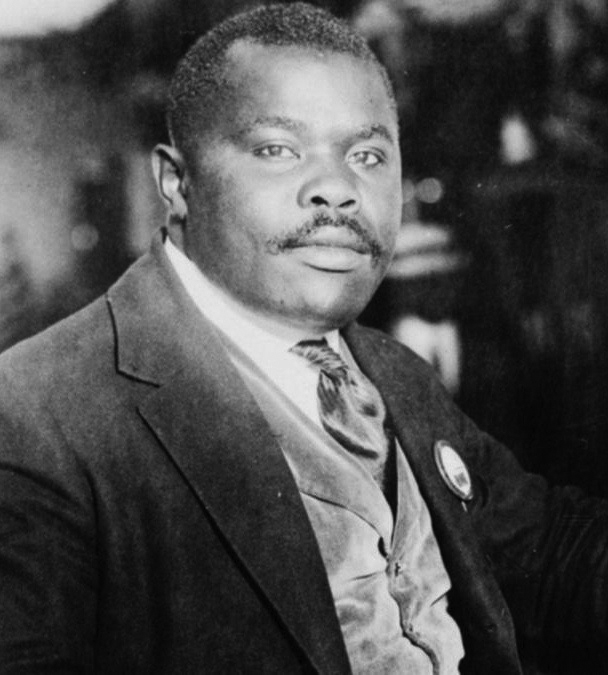 Marcus Garvey stands as one of the most influential advocates for Black economic independence in American history. Through the Universal Negro Improvement Association (UNIA), founded in 1914, Garvey championed a global vision of Black pride, unity, and self-reliance. His movement became one of the largest mass organizations in African American history, promoting economic development as a path to liberation.
Garvey believed that true freedom could not be achieved without economic power. He launched numerous ventures—including the Black Star Line shipping company, the Negro Factories Corporation, and a number of community-based enterprises—designed to create jobs, build wealth, and foster economic independence for Black communities worldwide.
Though not all of Garvey’s enterprises succeeded, his impact remains undeniable. His ideas laid the groundwork for later Black empowerment movements and inspired generations of leaders who carried forward the message of self-determination. Garvey taught millions that Black people could define their future, control their economic destiny, and build global networks of power and influence.
Black History Month provides a necessary space to revisit and reclaim this history of economic activism—reminding us that financial literacy, entrepreneurship, and community investment remain essential components of liberation today.
Resistance and the Fight for Freedom: Nat Turner’s
Rebellion
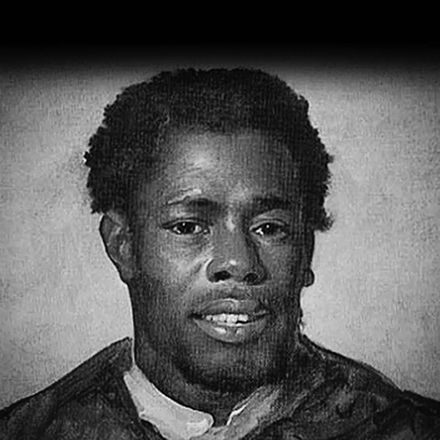 Another foundational episode in Black history is the 1831 slave rebellion led by Nat Turner in Southampton County, Virginia. Turner, an enslaved preacher, believed he was divinely inspired to lead his people out of bondage. His uprising—one of the most significant and organized in U.S. history—sent shockwaves through the nation and forced Americans to confront the brutality of slavery.
Though the rebellion was ultimately suppressed, its impact was profound. Turner’s defiance challenged the myth that enslaved people were passive or complacent; it exposed the moral contradictions of a nation that preached liberty while perpetuating human bondage. The rebellion also intensified national debates about slavery and contributed to an atmosphere that eventually led to the Civil War.
Nat Turner remains a symbol of resistance, courage, and the human longing for freedom—reminders that the fight for liberation has always come at an extraordinary cost.
Builders of Institutions and Opportunity: Mary McLeod Bethune’s Educational Legacy
 Few individuals embody the transformative power of education like Mary McLeod Bethune. Born to formerly enslaved parents, Bethune understood the generational impact of schooling and dedicated her life to uplifting Black youth through knowledge.
In 1904, she founded the Daytona Educational and Industrial Training School for Negro Girls—an institution that later became Bethune-Cookman College. She believed education was not just a path to employment but a pathway to dignity, empowerment, and citizenship.
Bethune’s influence extended far beyond the classroom. She served as an advisor to multiple U.S. presidents, founded the National Council of Negro Women, and fought tirelessly for civil rights and women’s equality. Her leadership made her one of the most influential Black educators and activists of the 20th century.
Honoring her life ensures that the legacies of those who built institutions, carved out opportunities, and uplifted generations are never forgotten.
Entrepreneurship and Innovation: Madam C.J. Walker’s Business Empire
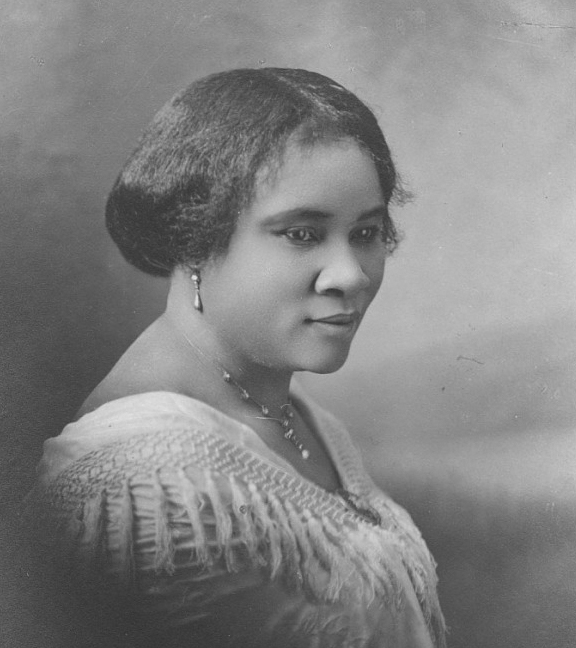 As one of the first self-made female millionaires in the United States, Madam C.J. Walker represents the heights of Black ingenuity and perseverance. Rising from poverty and early hardship, Walker built a thriving hair-care empire that employed thousands of African American women and offered a model for community-focused entrepreneurship.
Walker’s success was defined not only by her business acumen but by her commitment to empowering others. She used her wealth to support scholarships, civil rights organizations, orphanages, and political causes. Her story highlights the role Black women have played in shaping American business, philanthropy, and community development.
Trailblazers like Walker, whose stories demonstrate the power of entrepreneurship as a tool for economic and social transformation, are a powerful teaching tool for furture generations.
Political Courage and the Fight for Voting Rights:
Fannie Lou Hamer
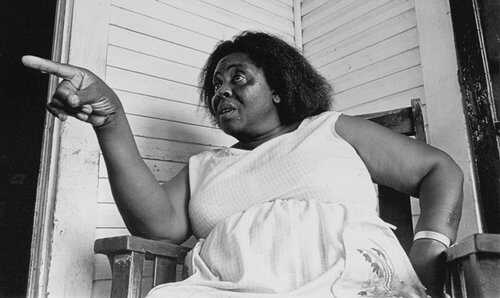 Fannie Lou Hamer’s famous declaration— “I’m sick and tired of being sick and tired”—captured the anguish and determination of African Americans fighting for their right to participate fully in American democracy.
A sharecropper from Mississippi turned voting-rights activist, Hamer co-founded the Mississippi Freedom Democratic Party (MFDP), which challenged the state’s all-white Democratic delegation at the 1964 Democratic National Convention. Her televised testimony exposed the violence and intimidation Black voters faced in the South, galvanizing national support for voting-rights protections.
Brutalized, jailed, and threatened—yet unbroken—Hamer became one of the most powerful voices of the civil rights movement. Her legacy underscores the ongoing necessity of protecting voting rights and political participation—issues that remain at the center of national debate today.
A Dream and a Movement: Dr. Martin Luther King Jr.’s
Enduring Impact
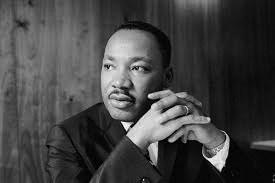 No figure is more synonymous with the civil rights movement than Dr. Martin Luther King Jr. His philosophy of nonviolence, his eloquence, and his unwavering moral leadership transformed the nation.
From the Montgomery Bus Boycott to the March on Washington to the Selma campaign, King’s work reshaped American law, expanded civil rights, and awakened the conscience of a nation. The Civil Rights Act of 1964 and the Voting Rights Act of 1965 stand as monuments to his leadership and the collective struggle of millions of activists.
Black History Month honors Dr. King not simply as a hero but as a reminder of the unfinished work he championed—economic justice, voting rights, and equality for all.
A Voice for Black Dignity and Global Liberation: Malcolm X
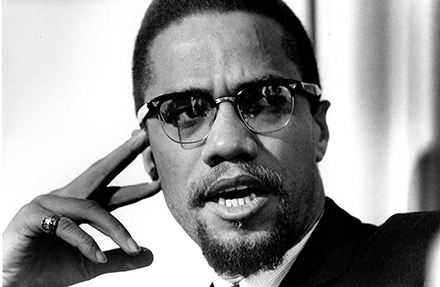 Alongside King’s nonviolent approach, Malcolm X offered a powerful counterpoint rooted in self-defense, Black pride, and global human rights. His unapologetic critique of racism, his emphasis on self-respect, and his call for international solidarity propelled the civil rights movement in new directions.
Malcolm X helped reframe the conversation about Black identity, inspiring generations to embrace their heritage with pride. His leadership within the Nation of Islam, and later his global activism after his pilgrimage to Mecca, expanded the struggle for civil rights into a broader movement for human liberation.
Remembering Malcolm X during Black History Month underscores the diversity of thought, strategy, and leadership within the Black freedom struggle.
Why Black History Month Still Matters
Black History Month is critical because it ensures that the full story of America is told—not just in February, but throughout the year. It is a reminder that Black history is American history.
It teaches the values of resilience, creativity, courage, and justice. It honors the lives of those who built institutions, broke barriers, challenged oppression, and expanded democracy. And it inspires future generations to dream boldly and push forward, knowing that they stand on the shoulders of giants.
The stories of Garvey, Turner, Bethune, Walker, Hamer, King, Malcolm X, and countless others are not relics of the past—they are blueprints for the future. Their work is not yet finished, and the responsibility to advance equality, opportunity, and justice now rests with each of us.
Black History Month reminds us that remembering is powerful—but continuing the legacy is even more so.
