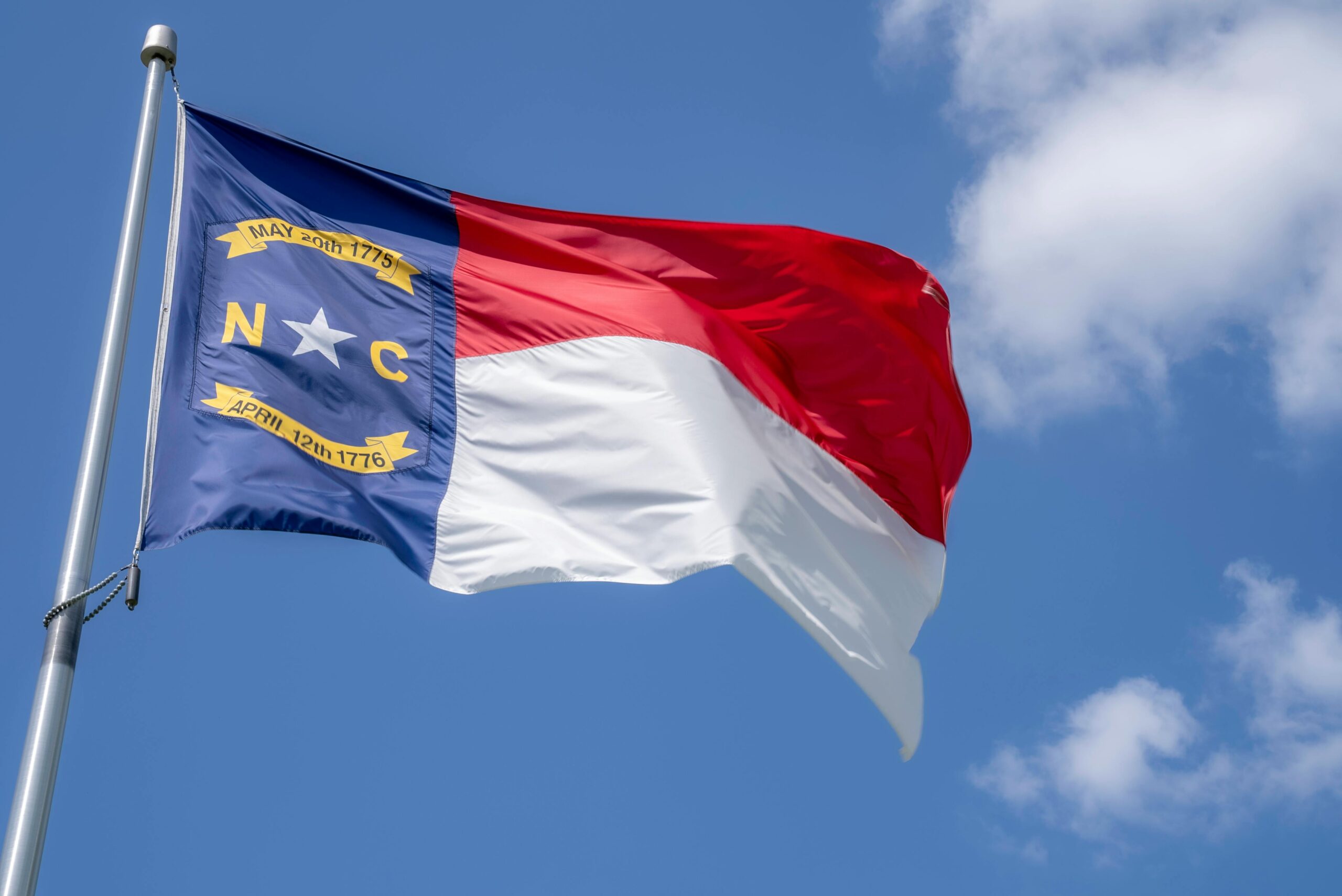
ASHEVILLE, N.C. (WLOS) — On Jan. 1, the state of North Carolina ushered in a slate of new laws marking the start of the new calendar year.
The laws cover a range of categories, from business and real estate, to healthcare, adoption and gender identity. The laws, reflecting a legislative process that often saw the state legislature pitted against the governor, as the two power centers looked to weigh proposed legislation in their favor.
House Bill 805 was passed after a legislative override of the governor’s veto. The bill began life as a bipartisan effort to protect women and children from online sexual predators. After passing the state House, the bill was re-shaped in the Senate into what became an effort to codify gender identity into North Carolina law. The new law, which recognizes only two genders on all official state documentation, requires individuals to be identified by their gender at birth and not by their chosen gender identity or presentation. The change would most notably affect identification, such as driver’s licenses. While state senator Kevin Corbin (R) calls it “fair for everyone,” state senator Julie Mayfield (D) calls it “another example of importing to North Carolina this national anti-LGBTQ agenda.”
Senate Bill 248 takes a significant step in reducing the differences in birth certificates for those who are adopted. The new law allows for adoptive parents to be named on a child’s birth certificate, while making it easier for counties to issue certified birth certificates to adopted individuals.
Senate Bill 690 covers a range of business/broker-related issues. Most notably, its provision changes what is allowed on a real estate purchase offer. The change allows compensation paid (or commission to be paid) to a buyer’s agent to be included in the offer. The full disclosure could have an effect on the negotiation process and the purchase price of a property.
House Bill 67 is designed to increase the number of healthcare professionals serving patients in North Carolina. The legislation clears a pathway for licensed physicians and physician assistants to be employed at North Carolina hospitals. It also allows for more internationally trained medical professionals to gain entry to hospitals in the state. The law includes a provision allowing PAs who are licensed in North Carolina to practice in other states. The latter is part of a reciprocity that would align with membership in the broader national PA organization.
