This article is adapted from reporting by Due South on WUNC.
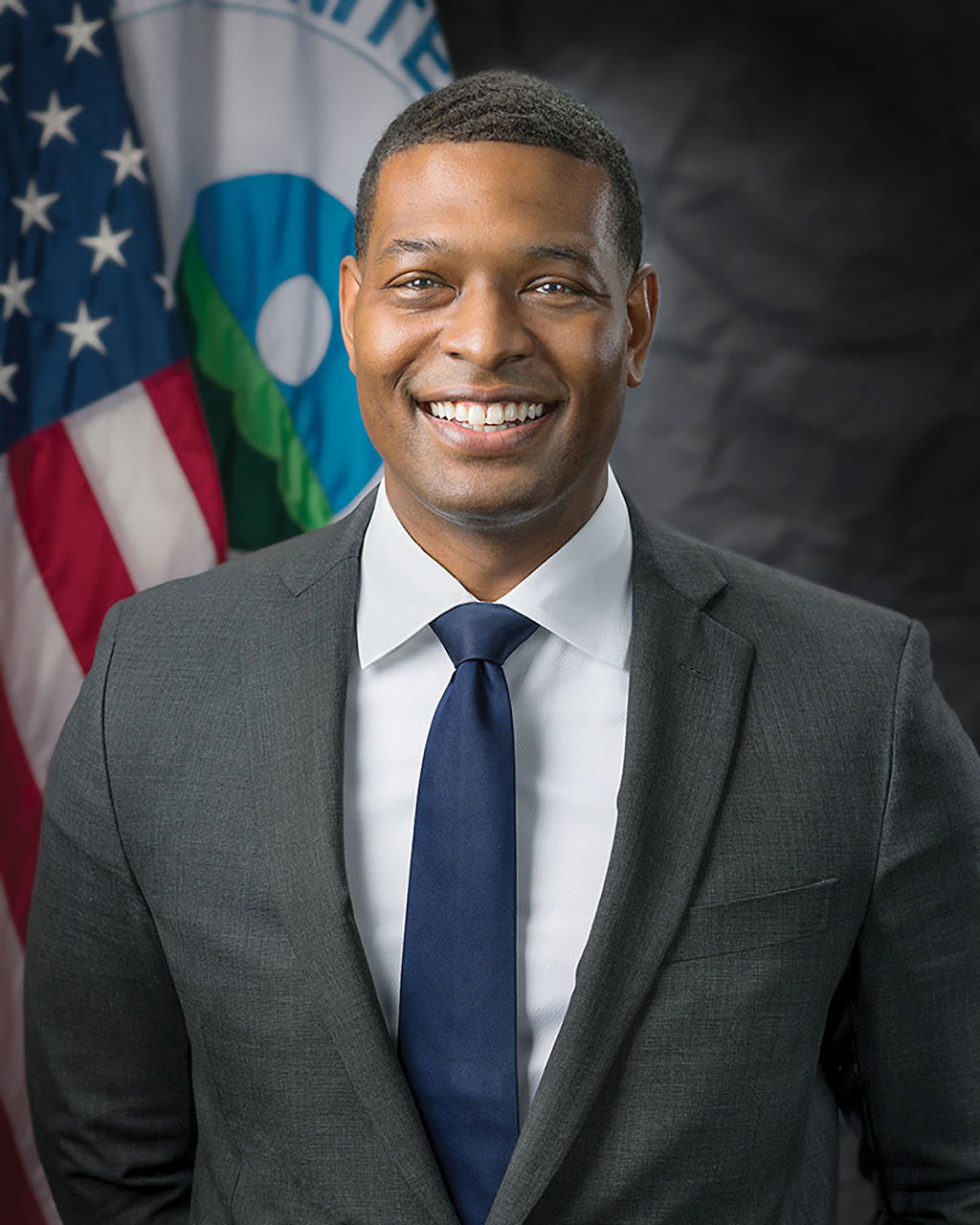 Former U.S. Environmental Protection Agency Administrator Michael Regan spent his tenure reshaping the nation’s top environmental agency around a principle long demanded by grassroots organizers: environmental justice. Today, as political winds shift, Regan is watching many of those hard-fought gains face rollbacks and resistance.
A North Carolina native, Regan’s professional roots are deeply embedded in the Environmental Protection Agency. He began his career there before returning home to lead North Carolina’s Department of Environmental Quality, where he became nationally recognized for centering communities that historically carried the burden of pollution without the benefit of political power. Those experiences shaped his approach when he was tapped to lead the EPA under the Biden administration.
At the federal level, Regan worked to elevate environmental justice from a peripheral concern to a core function of the agency. His leadership emphasized stronger enforcement in overburdened communities, expanded civil rights investigations, and direct engagement with residents living near landfills, industrial plants, and contaminated waterways. Regan argued that environmental protection is inseparable from public health and civil rights, particularly for Black, Indigenous, rural, and low-income communities.
In a wide-ranging conversation with Leoneda Inge on Due South, recorded in Durham, Regan reflected on how fragile those reforms can be when administrations change. He discussed the reality that environmental policy is often among the first areas reshaped by political ideology, even when the consequences directly affect people’s health and safety.
Regan also spoke candidly about the emotional toll of watching programs he helped build face uncertainty. He noted that environmental justice work has always been met with resistance, particularly when it challenges powerful economic interests or exposes long-standing inequities. Still, he emphasized that the movement predates his tenure and will continue beyond it, fueled by community advocacy and local leadership.
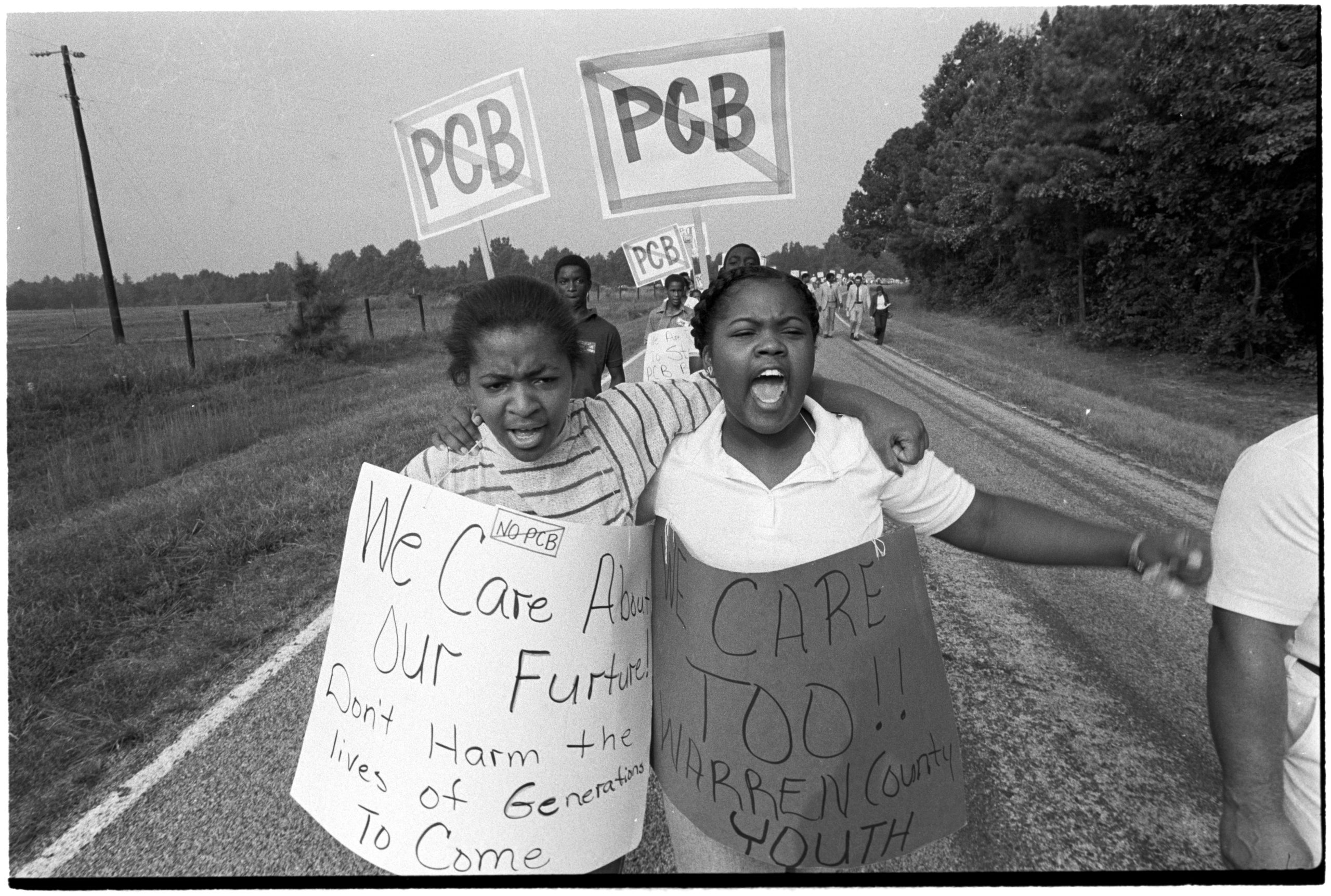
North Carolina remains central to Regan’s perspective. Many of the environmental justice battles he encountered at the state level, from industrial pollution in rural areas to inequitable access to clean water, mirror national trends. He stressed that these are not isolated issues but systemic ones that require sustained commitment beyond election cycles.
As he looks ahead, Regan framed the current moment not as an ending, but as part of a longer struggle. Policies may be weakened or reversed, he said, but the data, legal frameworks, and community awareness built during his time at the EPA cannot be easily erased. For Regan, the challenge now lies in ensuring that future leaders and organizers continue pushing for an environmental system that protects everyone, not just the most powerful.
