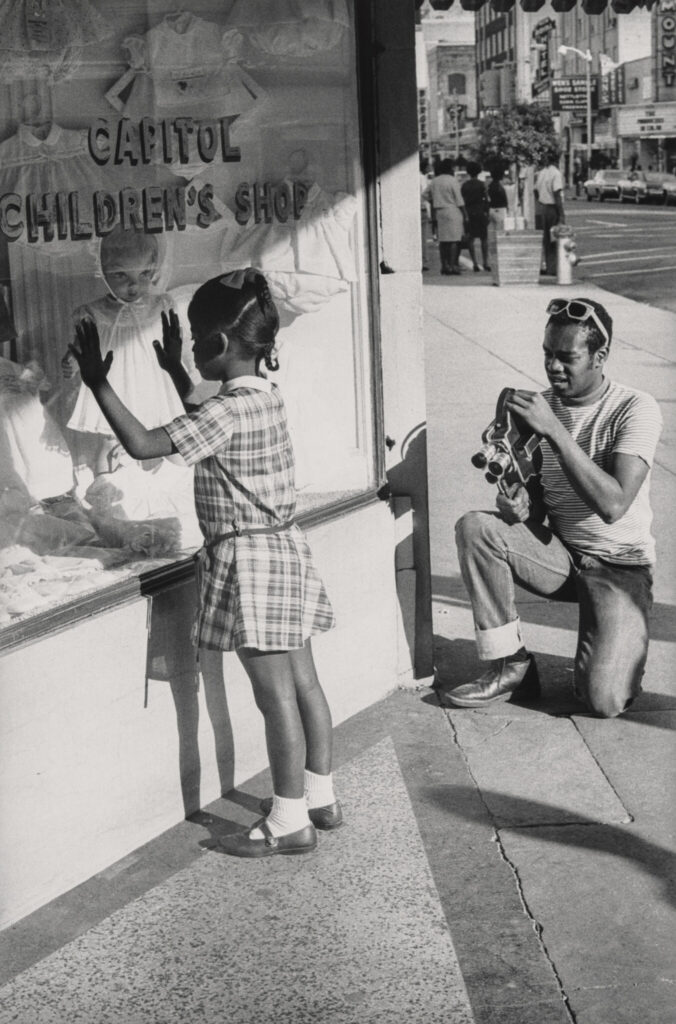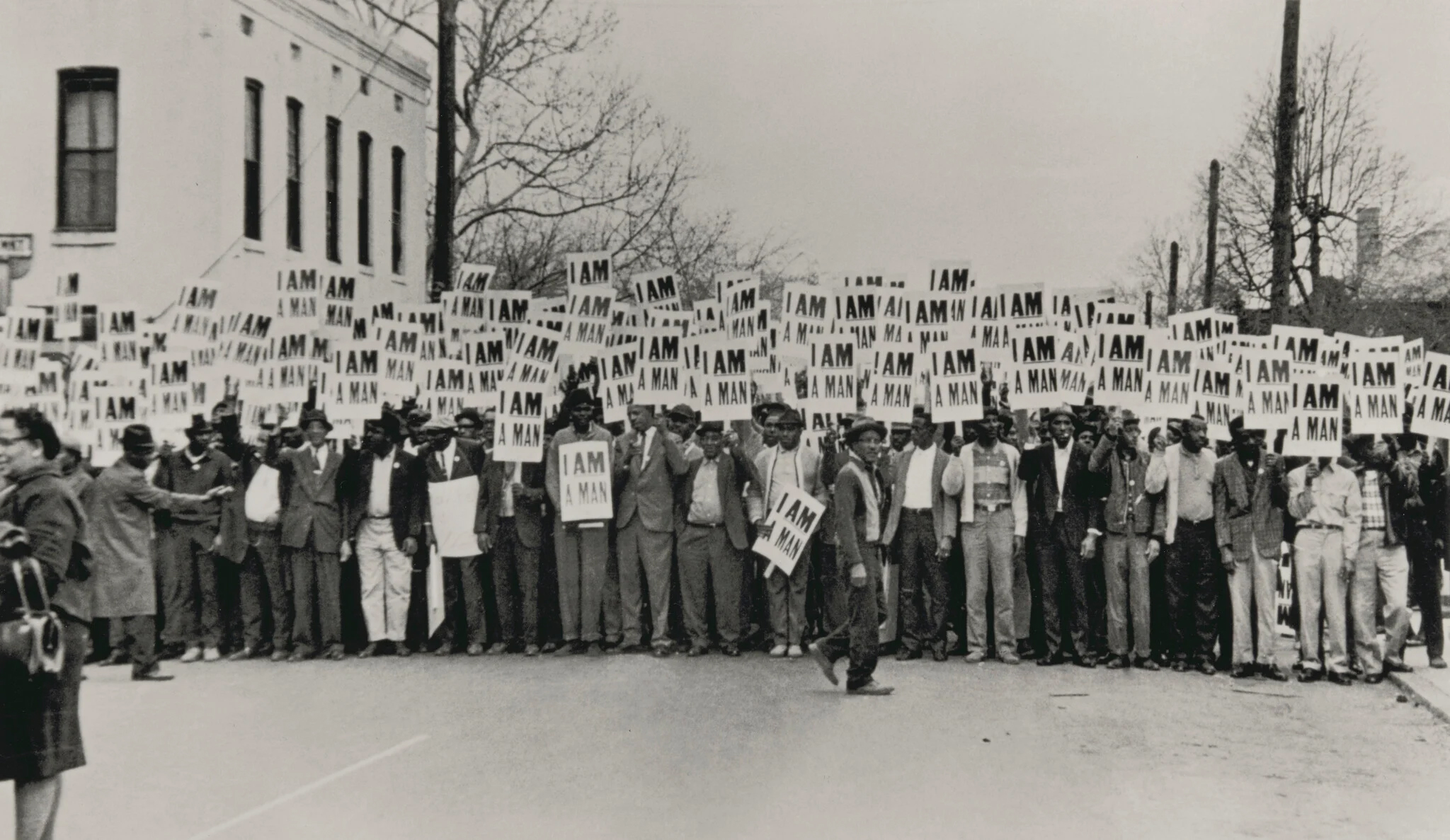
The National Gallery of Art in Washington, D.C., is presenting the first exhibition to explore photography’s impact on a cultural and aesthetic movement that celebrated Black history, identity, and beauty.
The exhibition, titled Photography and the Black Arts Movement, 1955–1985, focuses on the contributions of American and Afro-Atlantic diaspora photographers in creating a distinct Black visual culture and identity. This is the first exhibition to specifically explore photography’s role within the Black Arts Movement, a creative initiative with influence comparable to the Harlem Renaissance, which developed alongside the civil rights and international freedom movements.
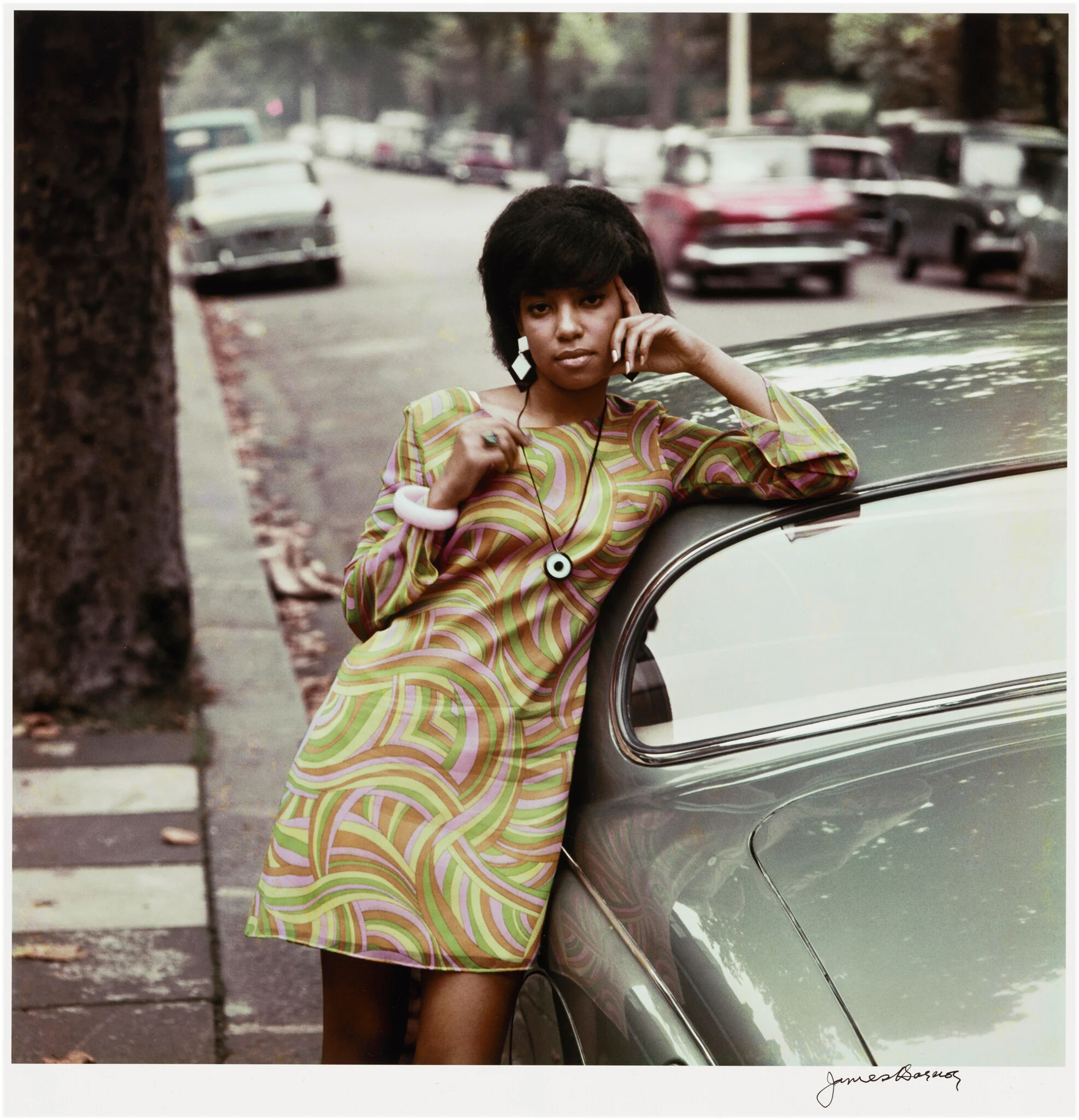
James Barnor, Drum cover girl Erlin Ibreck, Kilburn, London, 1966, printed 2023, chromogenic print , Alfred H. Moses and Fern M. Schad Fund, 2025.26.3
The exhibition highlights the ways artists used photography to engage communities and promote self-representation, establishing approaches to socially engaged art that continue to influence contemporary practices.
“Photography and photographic images were crucial in defining and giving expression to the Black Arts Movement and the civil rights movement. By merging the social concerns and aesthetics of the period, Black artists and photographers were defining a Black aesthetic while expanding conversations around community building and public history,” Deborah Willis, guest co-curator, university professor and chair of the department of photography and imaging at the Tisch School of the Arts and founding director of the Center for Black Visual Culture at New York University, says in a press release. “The artists and their subjects helped to preserve compelling visual responses to this turbulent time, and their images reflect their pride and determination.”
Photography and the Black Arts Movement presents roughly 150 works, including pieces that have rarely or never been publicly displayed. The exhibition demonstrates the cultural dialogue among writers, musicians, filmmakers, photographers, and visual artists of diverse backgrounds who, during the mid-20th century, addressed social and political change, the struggle for civil rights, and the rise of the Pan-African movement through art. Photographers are central to this presentation, revealing how visual documentation and artistic expression shaped the movement’s identity.