By Jheri Hardaway
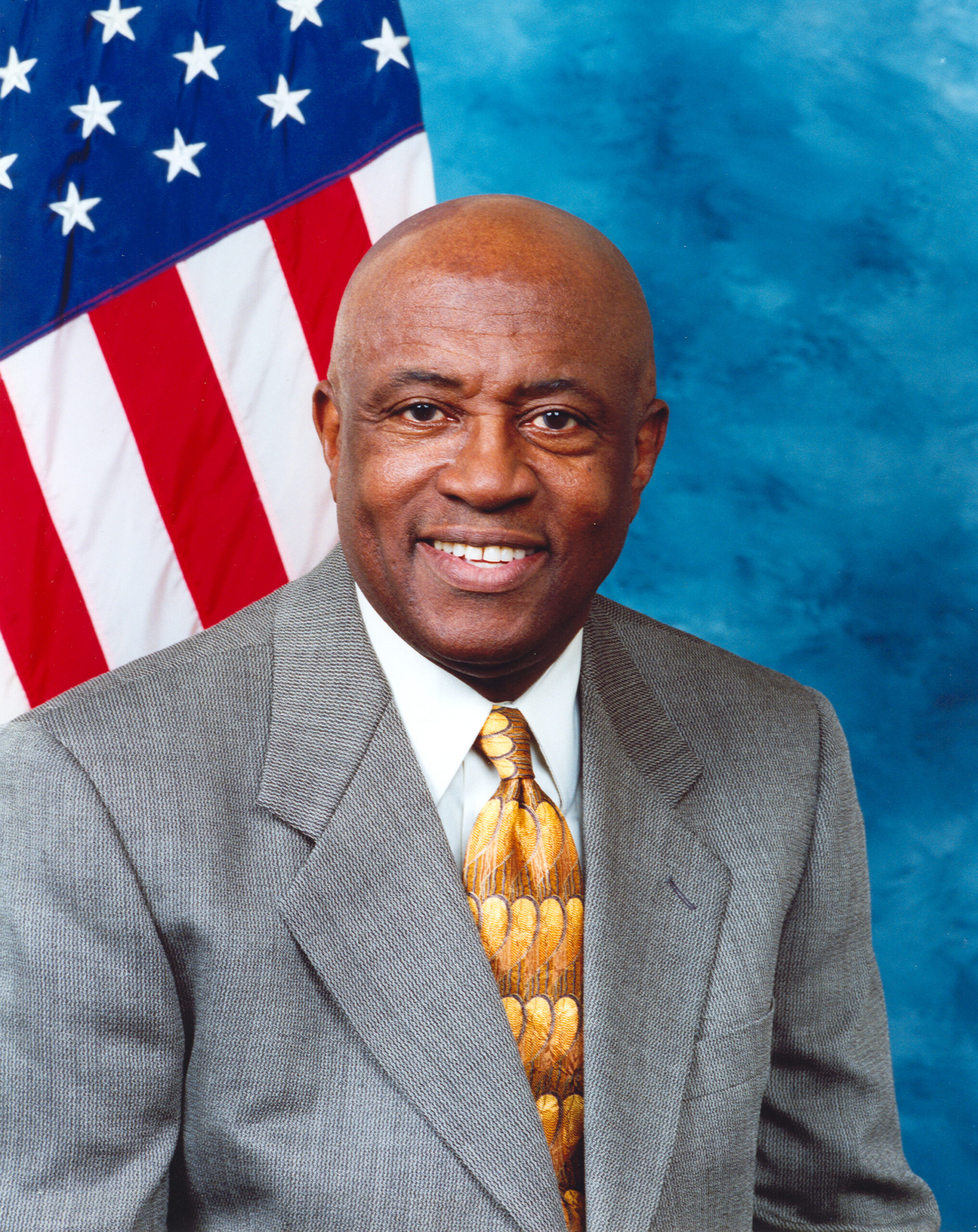 In the annals of North Carolina A&T State University history, certain names are etched in stone. But for former U.S. Congressman Edolphus “Ed” Townes, those names—Bluford, Gibbs, Harrison—aren't just buildings; they are the backdrop of a radical political awakening. I sat down with the Congressman to discuss his journey from Chadbourn, NC, to the halls of power in Washington D.C., and the pivotal, sometimes heart-stopping moments at A&T that defined his life’s work.
For Townes, the road to Greensboro was a familiar one. "That’s where I always wanted to go," he recalls. "A lot of folks from Chadbourn went to A&T." Studying sociology and economics, Townes found more than just academic rigor; he found a supportive ecosystem. However, his most profound lessons didn’t come from a textbook, but from student government. "I learned a lot about the political arena through student government. Having the opportunity to be involved in something, to lead something—that’s the thing. There are a lot of things you learn just through that process."
One of the most dramatic stories Townes shared involves a confrontation between the student body, the Chancellor, and the Governor of North Carolina. The Governor had arrived on campus to dedicate new buildings but refused to use the word "Negro," opting instead for the derogatory "negris." The tension was palpable even before the Governor arrived. Chancellor Dr. Ferdinand Bluford called the student leaders—including Townes—into his office.
"Dr. Bluford said, 'If there is any kind of demonstration or anything, you are going home. Sign here that you will not do anything,'" Townes says. The students refused. "We were insulted that he would bring this up and say that to us. We didn't believe the Governor should be allowed on campus."
During the speech, the students executed a subtle, powerful protest. "All of a sudden feet started shuffling. ROTC boots, high heels... they didn’t know where it was coming from." The Governor, frustrated, turned to Bluford and asked if he should continue. Moments later, in a tragic twist of history, Dr. Bluford suffered a heart attack on the stage, passing away just days later. The headlines the next morning were sensational: "Students Kill President."
Following Bluford’s passing, Dr. Warmoth T. Gibbs—a Harvard-educated WWI veteran—took the helm. Congressman Townes remembers Gibbs as a man of immense backbone. During the height of the Sit-In movement, the Greensboro Chamber of Commerce attempted to bully Gibbs into expelling the activists to protect the city's "economic situation."
Dr. Gibbs' response remains one of the most famous defenses of academic and civil freedom in HBCU history. When pressured to send the students back to "where they came from," Gibbs pointedly noted that many were locals. He famously told the Chamber: "I’m not here to teach students what to think, I’m here to teach them how to think."
For Congressman Townes, the atmosphere at North Carolina A&T provided the perfect crucible for a career in public service. The support he received, combined with the "fearless leadership" he witnessed from figures like Dr. Gibbs, paved the way for his 30-year tenure in the U.S. House of Representatives.
Today, as we look at the leaders of tomorrow, the Congressman’s story reminds us that the spirit of Aggie Pride isn't just about the buildings—it's about the courage of the people inside them.
