By Jheri Hardaway
Staff Writer
William and Ellen Craft’s story truly inspires my relentless ambitions. I tell her story to anyone who will listen. Like Ellen and William, I feel determined to find a way even though the path is hazy or, like Langston Hughes says, “Life for me ain’t been no crystal stair. It’s had tacks in it, and splinters, and boards torn up, and places with no carpet on the floor, bare.”
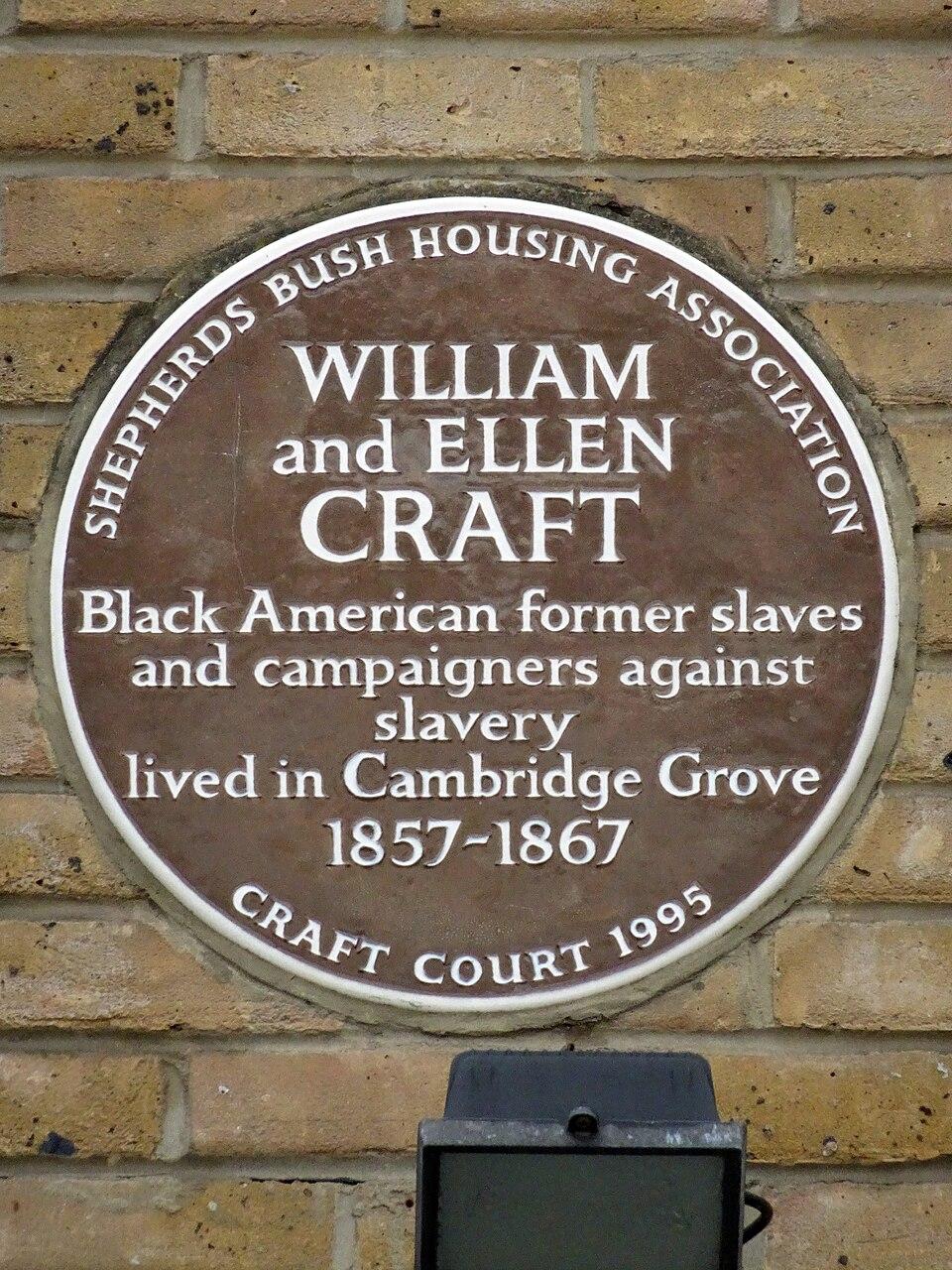 Ellen was born a slave in Macon County, Georgia. She was mixed-raced child of her master. The lady of the house was so disgusted with Ellen’s presence that she gave her away as a wedding gift to her daughter. Ellen was distraught, torn away from her family and all that she knew. She became a shell of herself at her new plantation. One day, hope came in the form of love. Ellen met William, who was just as captivated with the thought of freedom as her. The like-minded couple married.
Ellen and William strategized freedom incessantly. Undoubtedly, as countless other enslaved, the thought of freedom kept them going. Time passed, and so did their grand exit ideas. Finally, something stuck. Ellen, mixed race and fairskinned, would dress as a white man, and her husband William would act as her slave. The idea was just as dangerous as it was brilliant. They planned over a period of time, collecting materials, working out their story, and sewing in the dead of night by candlelight their clothing and supplies. When the night finally came, they knelt in prayer.
After an epic journey, William and Ellen reached the north. The couple rested in the free states briefly before word came that fugitive slave catchers were on their heels. They continued to Canada, then to London, even traveling as far as Northern Africa. William built a thriving business and Ellen continued to sew and share their story.
After the Emancipation Proclamation was signed, the Crafts returned to America. Reluctant to have children because of her traumatic childhood, the Crafts waited until after slavery to welcome their own children into the world. Unlike many stories of the time period this couple lived as close to happily ever after as people of color in America during Reconstruction possibly could.
