
By Jheri Hardaway
Staff Writer
Morrisville, NC - Recently, a close friend looked across the lunch table and asked me a question that has echoed through barbershops, living rooms, and panel discussions for generations: “What do you believe the Black community must do to finally come together?” I felt an immediate surge of irritation. It wasn't irritation with my friend, whose intentions were sincere. It was an exhaustion with the reality that here we are, decades removed from the civil rights movement, still asking the exact same questions. While other communities arrive, organize, build, and thrive in plain sight, we too often find ourselves trapped in the starting blocks, wrestling with the mechanics of basic solidarity.
To be clear: our fractures did not occur in a vacuum. Massive, deliberate, and institutional efforts were engineered to dismantle Black unity at its root. The infamous Willie Lynch doctrine—whether read as historical text or cultural metaphor—accurately describes the devastating psychological blueprint designed to pit us against one another: old against young, dark against light, field against house. The letter reads, “I have a foolproof method for controlling your black slaves. I guarantee every one of you that if installed correctly, it will control the slaves for at least 300 years... I use fear, distrust and envy for control purposes... Take this simple little list of differences and think about them. On the top of my list is 'age,' but it's only there because it starts with an 'A.' The second is 'COLOR' or shade, there is intelligence, size, sex, sizes of plantations, status on plantations, attitude of owners, whether the slaves live in the valleys, on the hill, East, West, North, South, have fine hair, course hair, or is tall or short."
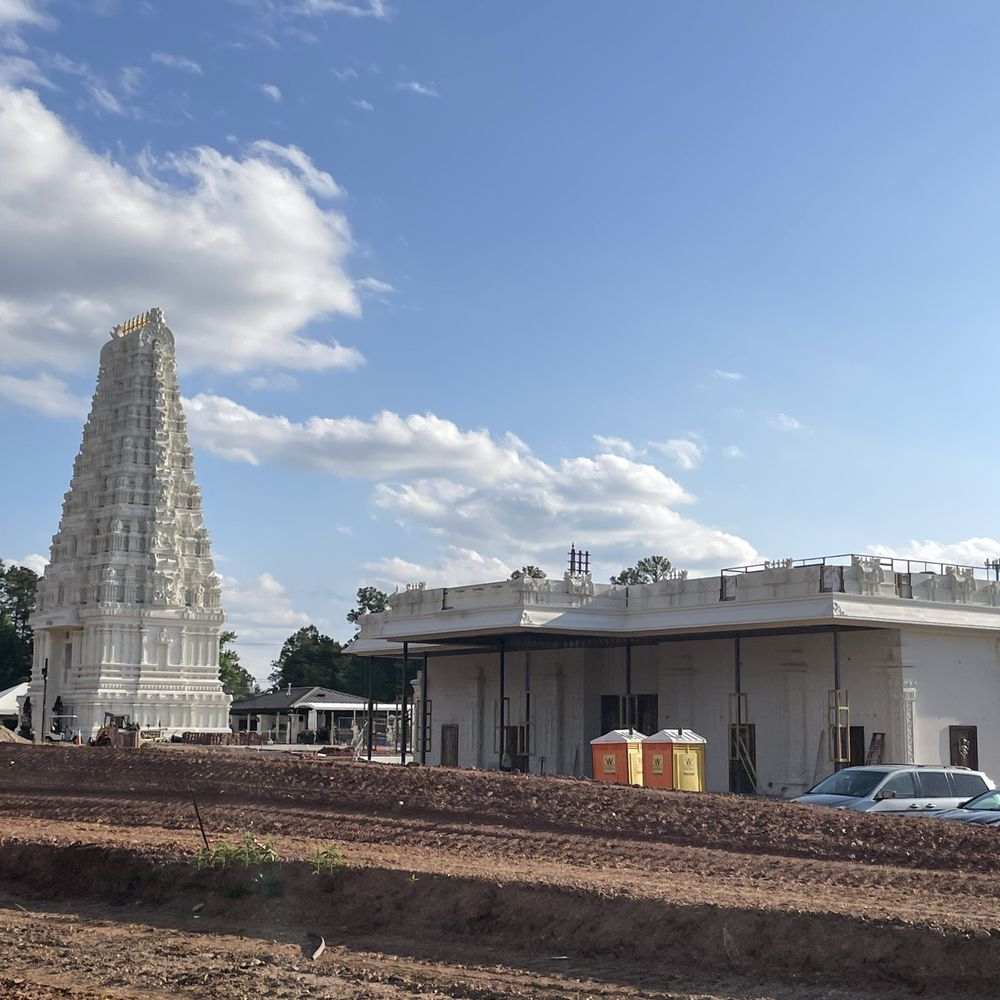
Centuries of systemic disenfranchisement, redlining, and government disruption of Black leadership left deep structural scars. Add the persistent toxins of colorism, class elitism, and American hyper-individualism, and the barriers to cohesion become painfully clear. Yet history, as heavy as it is, cannot be our permanent alibi. Right here in our backyard, across the Research Triangle, a different blueprint is unfolding in real time. Over the past two decades, the biotechnology and tech boom in Research Triangle Park has drawn thousands of families from India and across Asia to Wake, Durham, and Morrisville. They did not merely arrive as individual workers; they arrived as a community. Within a generation, they built cultural centers, temples, and bustling commercial plazas where their dollars circulate with deliberate intention. They established cultural organizations that protect their heritage, created mutual aid networks that assist new arrivals, and mobilized politically to elect leaders from their own ranks to town councils and school boards to ensure their social and economic interests are protected.
Look, too, at our Hispanic brothers and sisters throughout North Carolina. Despite enduring immense political headwinds and systemic hostility, they have demonstrated an extraordinary commitment to collective survival. They share housing to lower overhead, pool personal savings through informal lending circles to launch family businesses, and sustain commercial corridors where money changes hands five, six, or seven times among their own before ever leaving the community.
Watching this, an uncomfortable, urgent question demands an answer: How did we get lapped? How did communities that arrived with language barriers, cultural adjustments, and zero historical footing in this country manage to construct robust economic and civic ecosystems, while we—with centuries of labor, blood, and cultural capital invested in American soil—still struggle to patronize each other’s businesses or rally behind a unified agenda?
The difference is not talent, intelligence, or ambition. The difference is culture and trust. Too many of us have adopted a scarcity mindset, treating success like a solitary ticket out rather than a bridge to bring others across. Class divides, the college-educated looking down on the blue-collar, or the neighborhood gatekeeping the newcomer fracture our natural alliances. We celebrate individual millionaires while our collective institutions languish. It is time to throw out the old scripts of division. The roadmap for collective advancement is not a secret; our neighbors are running the play right in front of us:
Economic Circulation: A dollar cannot leave a community within six hours and expect that community to build generational wealth. We must normalize and insist on intentional support for Black-owned enterprises, tradespeople, and professional services, holding those businesses to high standards while giving them our loyalty.
Pool Capital and Resources: We must move beyond the myth of individual bootstrap success. Collective investment groups, real estate syndicates, and community development credit unions are how neighborhoods are protected against predatory gentrification.
Strategic Political Blocs: Political loyalty should never be given away on tradition; it must be negotiated based on tangible policy outcomes for our families, our schools, and our infrastructure.
Criticism without vision is empty. Pointing out where we fall short is not about self-condemnation; it is about self-determination. When we see the Indian community flourishing in Cary or the Latino community thriving across Raleigh and Durham, our response should not be resentment or envy. It should be respect, partnership, and inspiration. Ultimately, their success confirms a universal truth: humanity flourishes when people recognize their shared destiny and choose collaboration over competition.
We are not doomed to remain divided by centuries-old designs. The chains of division were forged by human hands, and they can be dismantled by our own. When we learn to see our brother’s struggle as our own, our sister’s enterprise as our responsibility, and our neighbor’s child as our collective future, we will stop asking what it takes to come together. We will simply do it, because at our core, we are one.
