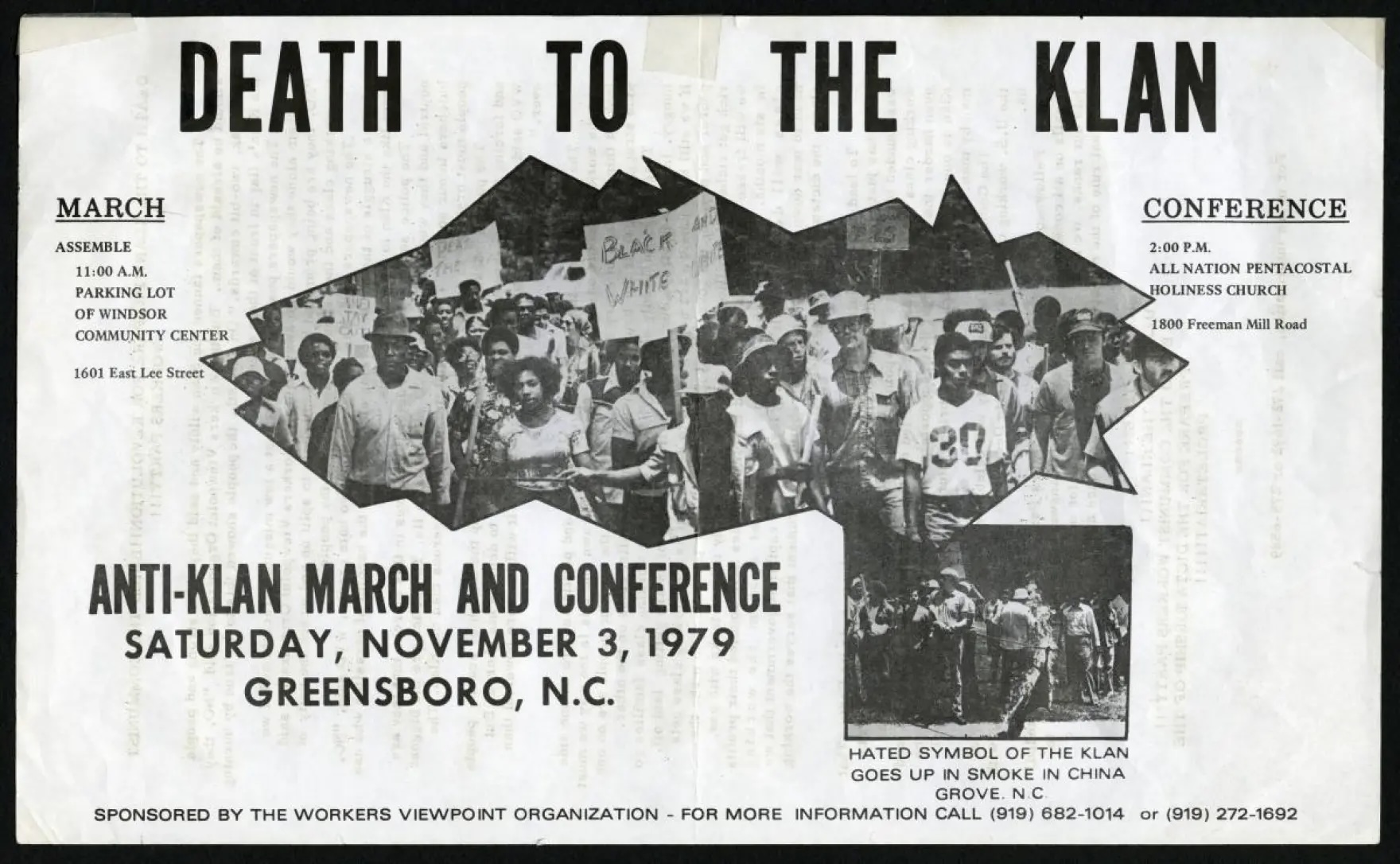
GREENSBORO, N.C. — November 3, 2026, marks 47 years since one of the darkest chapters in North Carolina's civil rights history, when members of the Ku Klux Klan and American Nazi Party opened fire on demonstrators during an anti-Klan rally in Greensboro, killing five people and injuring several others.
The 1979 Greensboro Massacre took place at the Morningside Homes housing project, where activists and community members had gathered for a march and conference organized by the Communist Workers Party. The demonstration was intended to oppose white supremacy and bring together workers across racial lines.
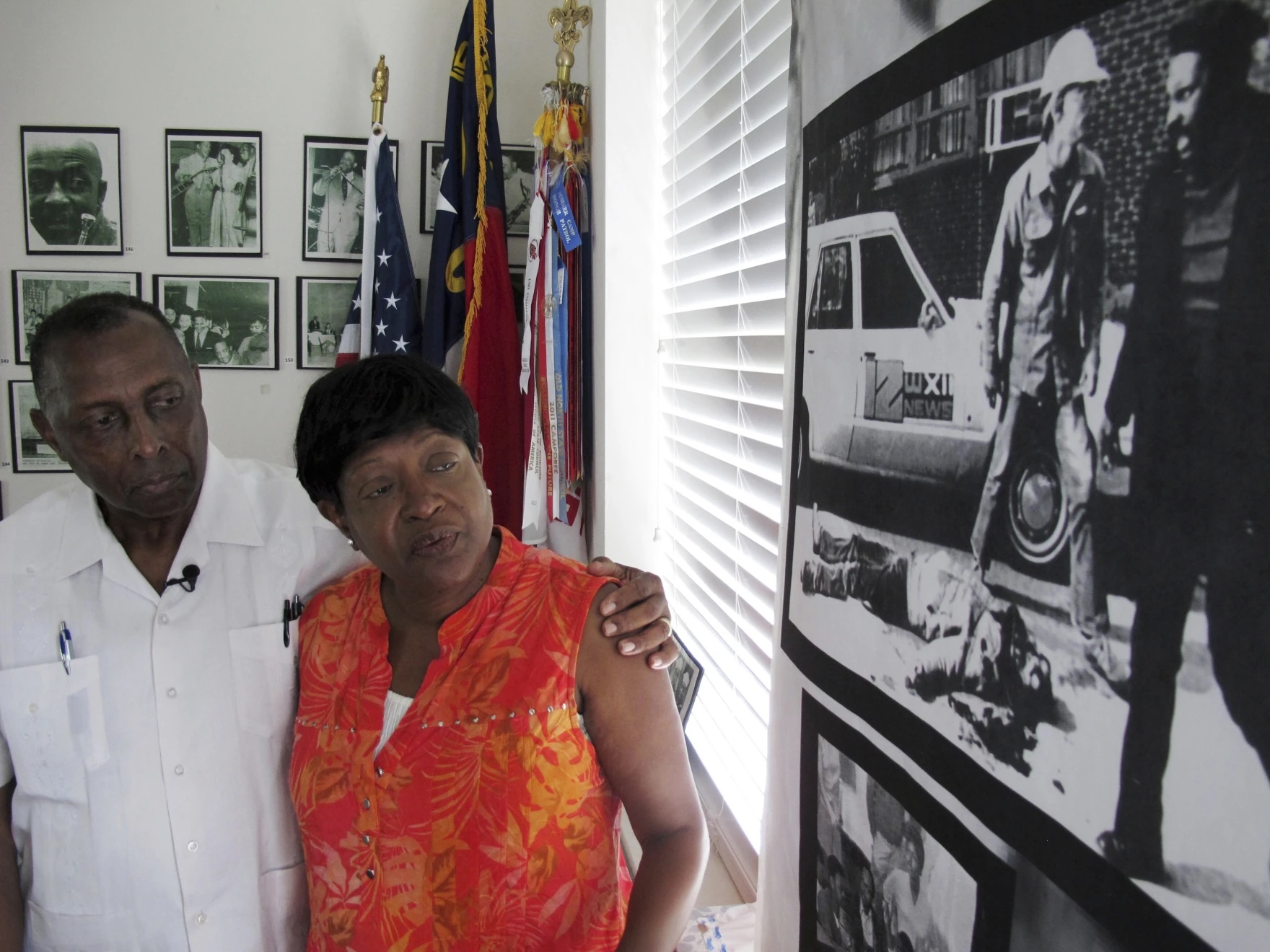
Among the organizers was the Rev. Nelson Johnson, a Greensboro civil rights activist who survived the attack and spent decades advocating for justice and reconciliation.
In a 2019 interview, Johnson recalled waking up that morning feeling optimistic about the demonstration.
"I rose early that morning and I was a little troubled because the fog was thick," Johnson recalled. "But by about 9:30 the fog started to lift, and it was a beautiful, bright sunny day."
That optimism quickly disappeared when a caravan carrying Klan and Nazi members arrived at the gathering. A violent confrontation followed, leaving five demonstrators dead.
The victims were Cesar Cauce, Dr. James Waller, William Evan Sampson, Sandra Neely Smith and Dr. Michael Nathan.
The absence of Greensboro police officers during the attack became one of the most controversial aspects of the massacre. Investigations later revealed that police had advance knowledge of the possibility of violence but failed to provide adequate protection.
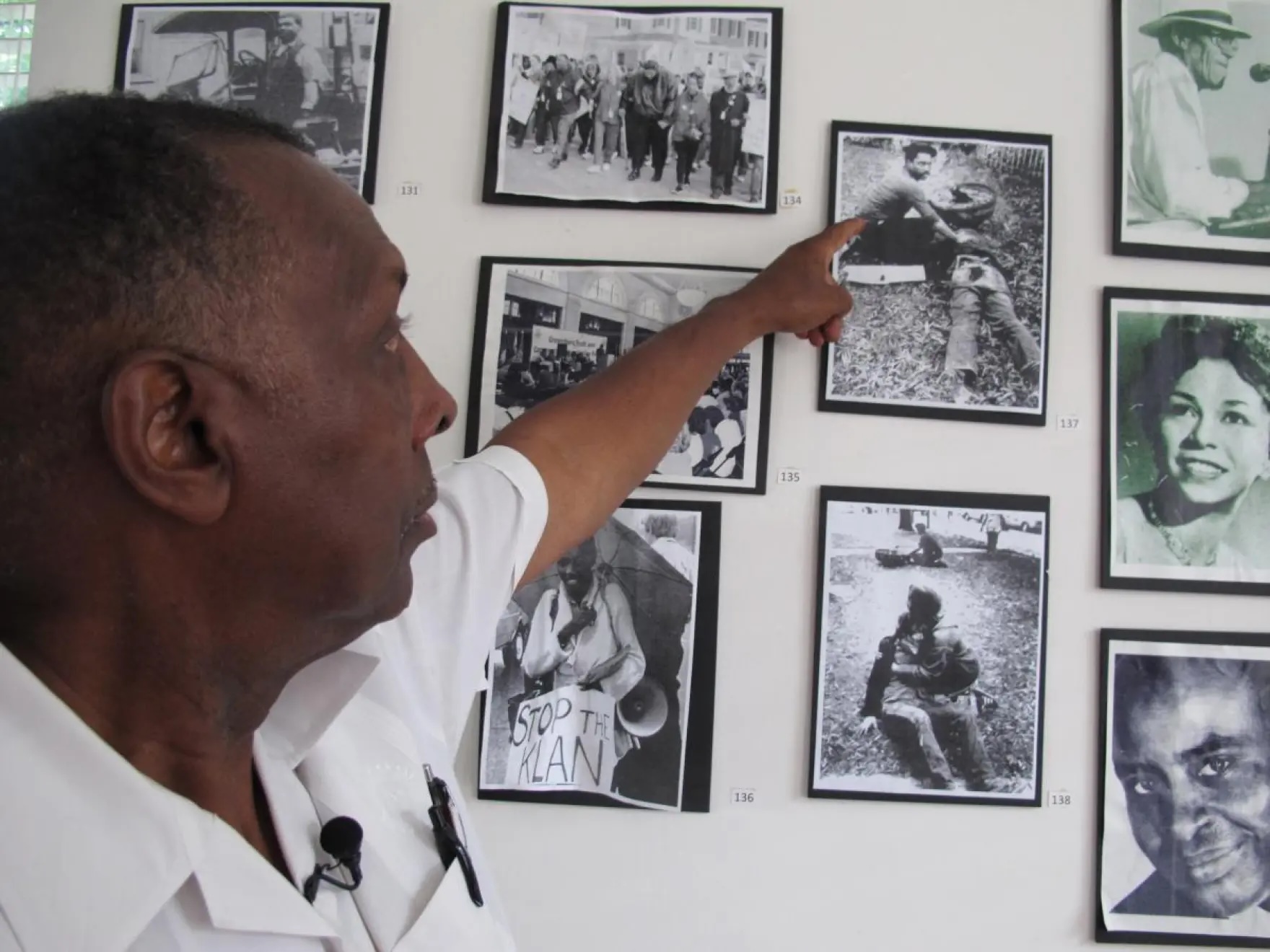
Despite the deaths, defendants were acquitted in separate state and federal criminal trials in 1980 and 1984.
In 1985, a federal civil jury found members of the Klan and Nazi Party, two Greensboro police officers and a police informant liable in connection with the death of Dr. Nathan and injuries to two survivors.
For families of the victims, the legal outcome did little to erase the pain.
Dr. Nathan's widow, physician and activist Marty Nathan, continued advocating for the city to acknowledge its responsibility.
In a 2019 interview, she expressed concern about the lasting impact on her daughter, who was only six months old when her father was killed.
"She never knew her father because they let this happen," Nathan said.
The struggle for accountability continued for decades.
In 2006, the Greensboro Truth and Reconciliation Commission released a report examining the events surrounding the massacre, including police conduct, racial tensions and the city's response.
A significant turning point came on October 6, 2020, when the Greensboro City Council voted 7-2 to issue a formal apology acknowledging the city's failures surrounding the attack.
The resolution recognized that Greensboro police had failed to warn demonstrators despite having advance knowledge of the planned violence. It also established annual scholarships honoring the five victims.
Johnson, who later founded the Beloved Community Center in Greensboro, dedicated much of his life to promoting racial reconciliation, community organizing and social justice. He died in February 2025, leaving behind a legacy closely connected to the city's ongoing efforts to confront its history.
Now, 47 years after the massacre, the events of November 3, 1979, remain a reminder of the consequences of racial hatred, the importance of accountability and the lasting impact of violence on families and communities.
Although Greensboro has formally acknowledged its failures, the massacre remains an important part of North Carolina's history, one that continues to raise questions about justice, public trust and the responsibility of institutions to protect the communities they serve.