
By Dominique Heath
Columnist
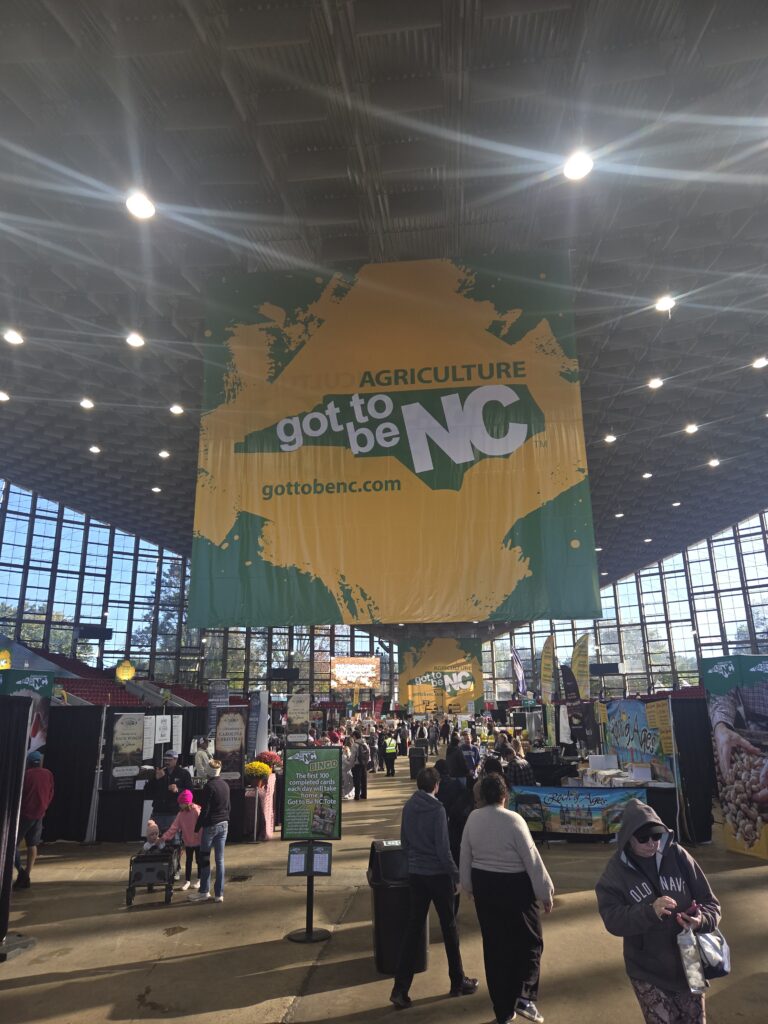
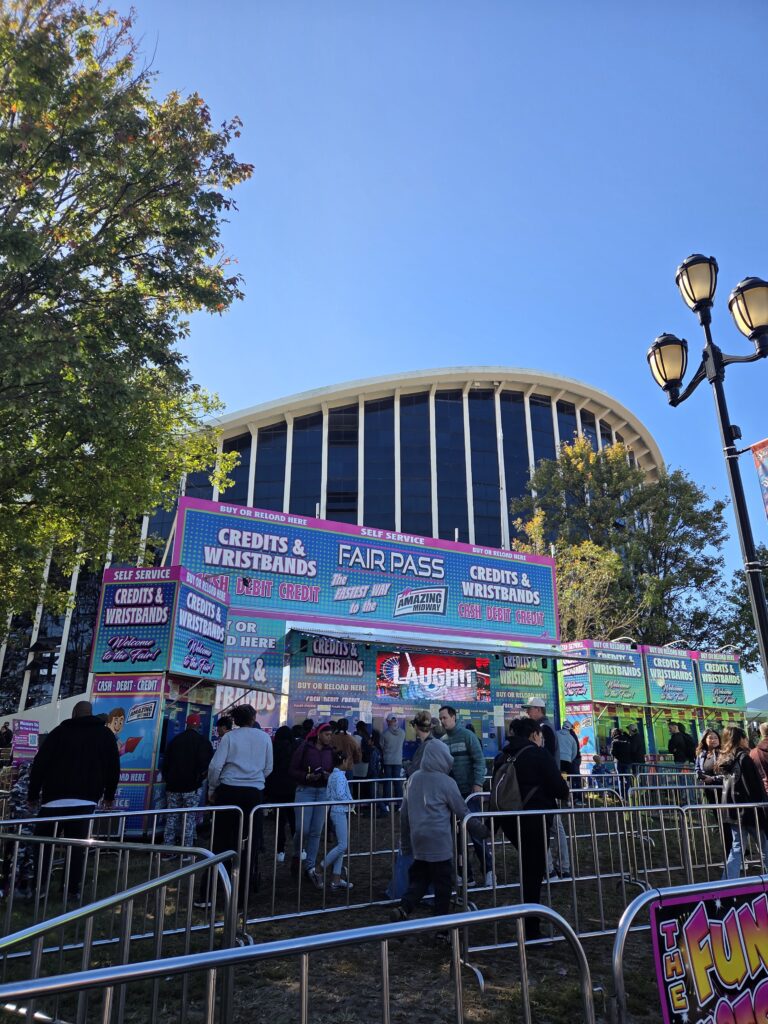
RALEIGH, N.C. — The smell of freshly fried doughnuts, the sounds of carnival rides and lines stretching around food stands could only mean one thing: the North Carolina State Fair was back. The 2026 fair welcomed 910,584 visitors over its 11-day run, bringing another year of food, entertainment and a celebration of North Carolina agriculture.
Although attendance fell from 946,811 in 2025, according to the North Carolina Department of Agriculture and Consumer Services, you wouldn't have guessed it from the crowds surrounding some of the fair's most popular food vendors. Peachey's Baking Co., known for its freshly made doughnuts, drew lines that wrapped around its stand, sometimes two or three times over.
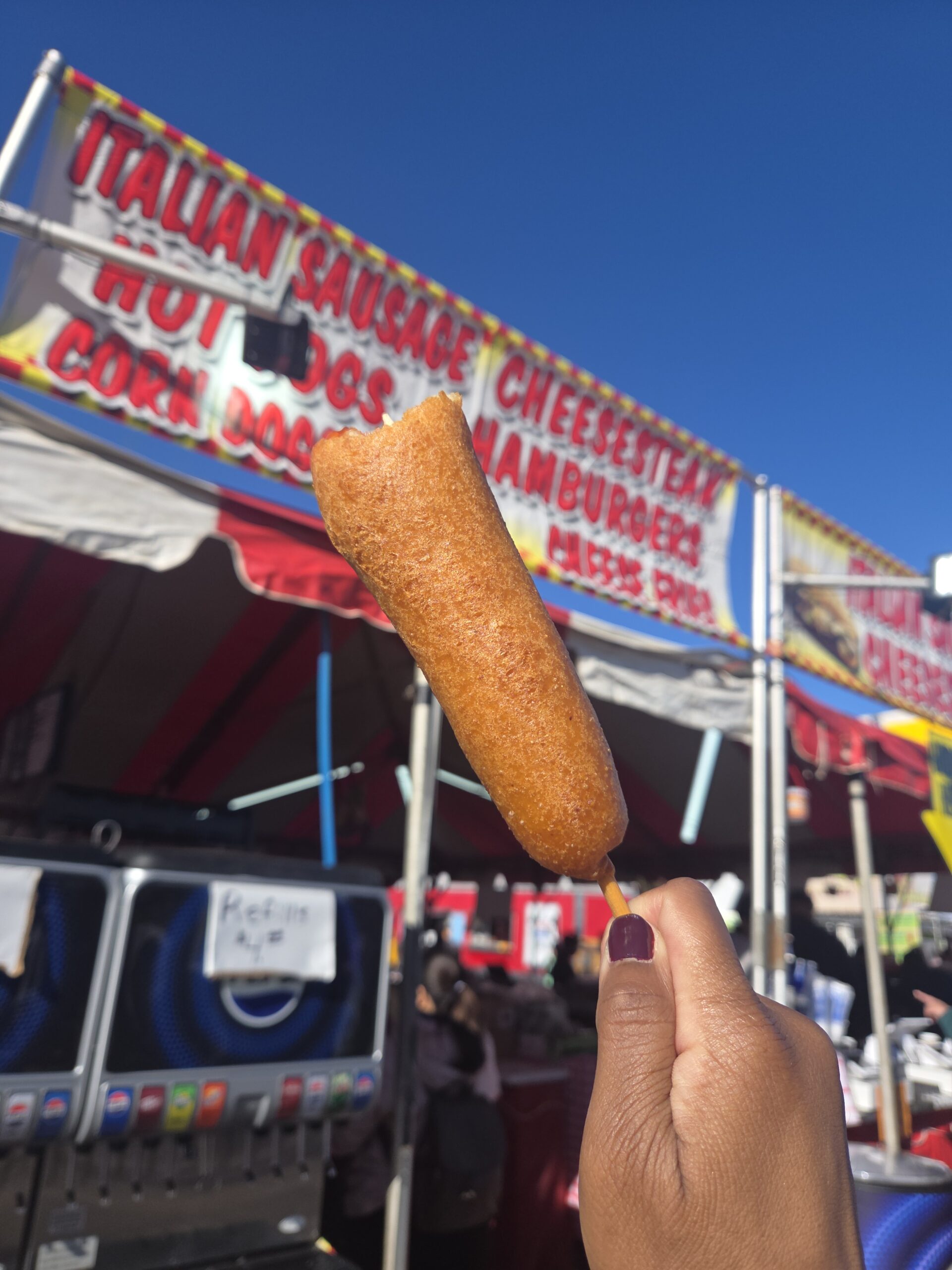
One thing fairgoers may have noticed, however, was the price tag. Food and other attractions appeared more expensive this year, with families already feeling the effects of inflation. Still, that did not seem to discourage visitors from lining up for their annual favorites.
Turkey legs, funnel cakes, roasted corn and barbecue remained staples, but the fair also introduced more than 80 new food creations, according to WRAL. Among them were deep-fried Hawaiian sweet rolls, strawberry cheesecake churro nachos, hot honey and pimento cheese fried pickles, and even liquid cotton candy.
Another noticeable trend was the appearance of food advertisements that looked AI-generated. Some featured exaggerated, picture-perfect dishes that seemed more digitally rendered than photographed as negatively commented by many fair goers.
Beyond the food, visitors enjoyed carnival rides, games, live performances and exhibits throughout the fairgrounds. The fair also introduced a new 32,000-square-foot food hall near Dorton Arena, which housed five vendors during the event.
Agriculture remained front and center, with livestock competitions, farming exhibits and educational displays showcasing the state's agricultural industry. This year's Junior Livestock Sale of Champions set a record, according to state agriculture officials.
The fair also featured a mock tobacco auction in Heritage Circle, recreating a tradition that played an important role in North Carolina's agricultural history.
But while fairgoers were busy deciding what to eat next or which ride to get on, some vendors were doing a different kind of math.
Rising Costs Raise Concerns for Fair Vendors
While thousands of visitors looked forward to their favorite fair foods, vendors faced some changes of their own this year.
For the first time, food and beverage vendors were charged 15% of their gross sales, excluding sales tax, instead of the previous flat fee of $180 per foot of stand frontage. Businesses were also required to use a Clover point-of-sale system to record transactions.
The changes brought mixed reactions, particularly among longtime vendors who were accustomed to the previous arrangement.
According to WRAL Investigates, some business owners expressed concerns about the additional expenses and whether participating in the fair would remain profitable.
Among them was Preston Ray, owner of Ray's Coffee in Wendell, who has attended the fair for 45 years. Ray estimated that the new fees had doubled or possibly tripled his previous costs, leaving him uncertain about returning next year.
Others were more accepting of the changes, noting that percentage-based fees are already common at state fairs across the country.
Fair Director Kent Yelverton defended the decision, explaining that the new structure was intended to bring North Carolina in line with industry standards. Several states, including South Carolina, Ohio and Tennessee, also charge food vendors 15% of sales.
The additional costs come as businesses continue navigating higher prices for ingredients, supplies and labor. For smaller vendors, those expenses can make participating in an 11-day event a considerable financial commitment, even with thousands of potential customers.
Fair officials have not yet released the total revenue generated through the new fee structure. Organizers said they plan to review vendor feedback and discuss possible improvements ahead of the 2027 fair.
With attendance down approximately 3.8% from last year, the financial results may influence which businesses decide to return next October.
