By Dominique Heath
Columnist
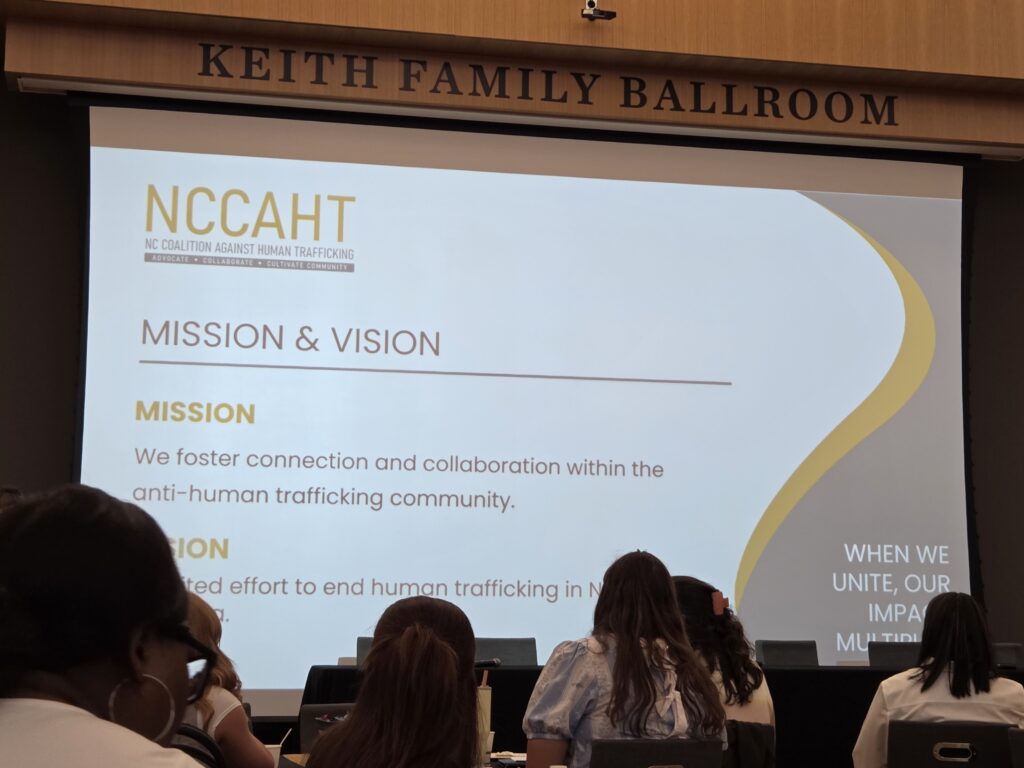
BUIES CREEK — Before the first presentation began, attendees filled Campbell University's student union hall exchanging business cards, introducing themselves to different organizations and discussing how they could better serve survivors in their own communities. It was a fitting start for the North Carolina Coalition Against Human Trafficking's (NCCAHT) 2026 Collective Impact Conference, where law enforcement officers, educators, survivor advocates, nonprofit leaders and service providers gathered June 16th with one shared purpose: strengthening North Carolina's response to human trafficking.
The conference, held under the theme "When We Unite, Our Impact Multiplies," came as North Carolina continues to face one of the nation's highest rates of reported human trafficking. According to the National Human Trafficking Hotline, North Carolina has consistently ranked among the top 10 states for reported trafficking cases. In 2024 alone, the hotline identified 301 cases involving 580 potential victims, though experts believe the actual number is likely much higher because many cases go unreported.
Speakers explained that the state's extensive interstate highway system, international airports, military installations and industries such as agriculture, construction, hospitality and tourism make it especially vulnerable to both labor and sex trafficking. They also challenged common misconceptions, noting that trafficking is rarely the dramatic kidnapping scenarios often portrayed in movies or television. More often, it begins with manipulation—someone exploiting another person's need for housing, employment, financial security or even affection before using force, fraud or coercion to maintain control.
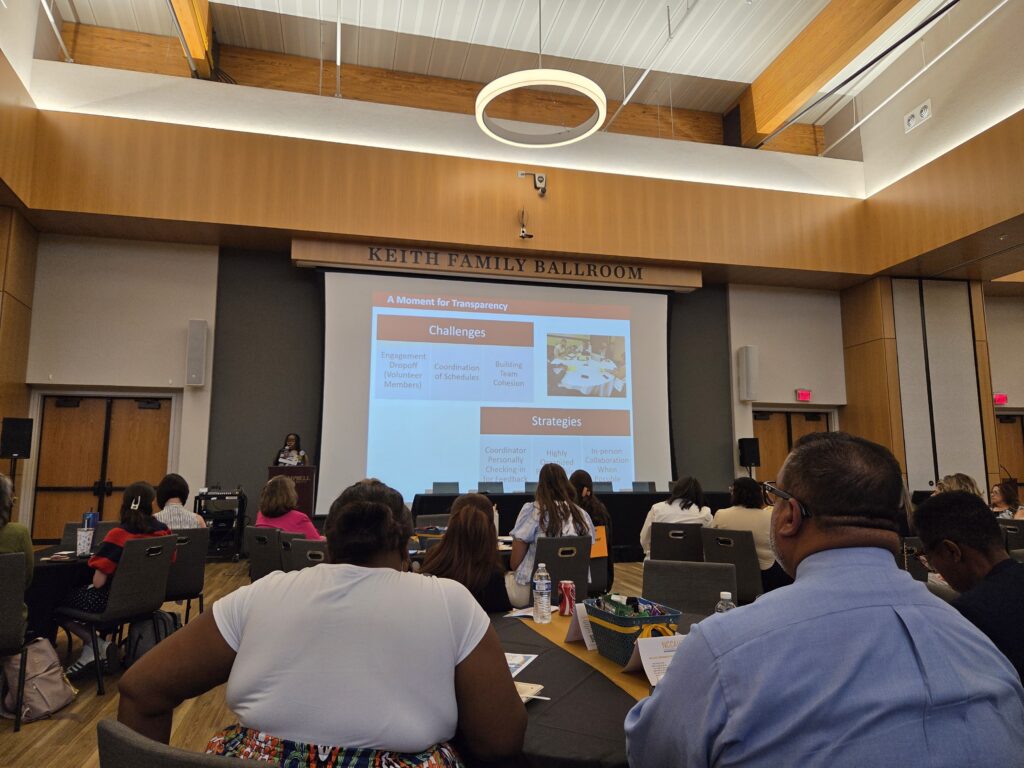
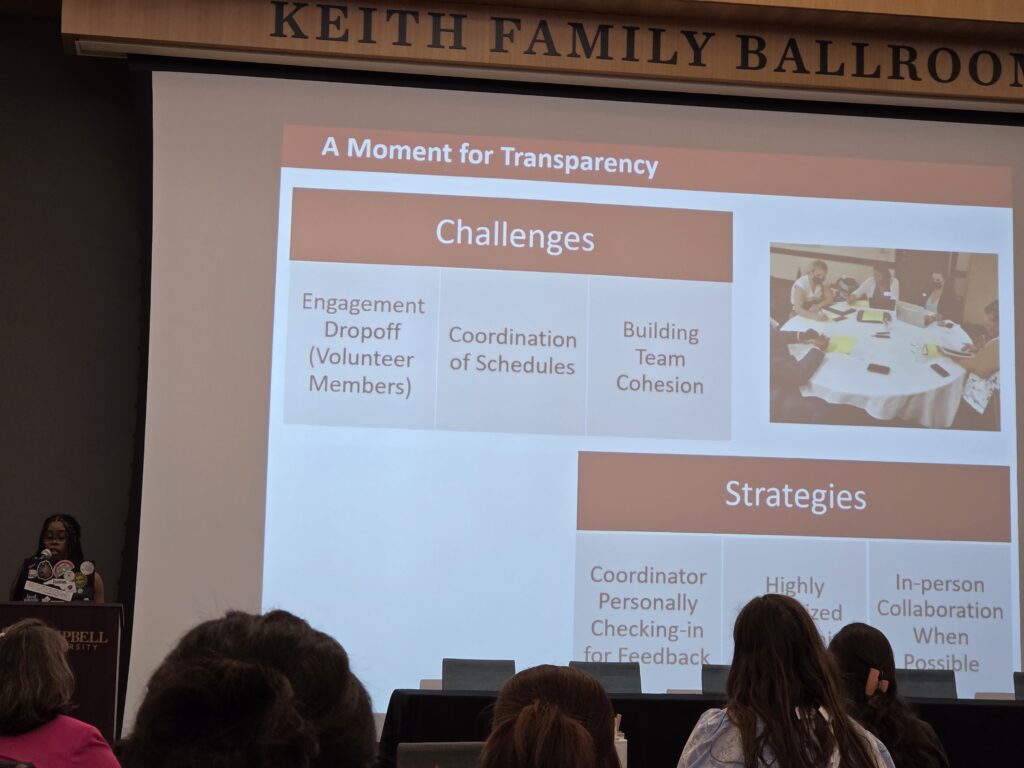
The morning session panelists offered a look at how organizations across the state approach different parts of the issue. Whitney Miller of The Invictus Project discussed training professionals to better identify trafficking victims, while Kasin Walker of Safe Alliance focused on investigations and prosecution. Halley Markel of the North Carolina Demand Reduction Task Force turned attention toward prevention, encouraging attendees to become involved before trafficking occurs. She acknowledged that even organizations working toward the same goal face obstacles. During a presentation titled "A Moment for Transparency," attendees discussed challenges such as volunteer engagement, scheduling conflicts and maintaining strong teams, along with practical ways organizations can improve communication and planning. In addition, representatives from Goodwill's Counter Human Trafficking Program shared how they partner with law enforcement officers and community partners for specialized training to recognize indicators of trafficking and connect victims with services sooner.
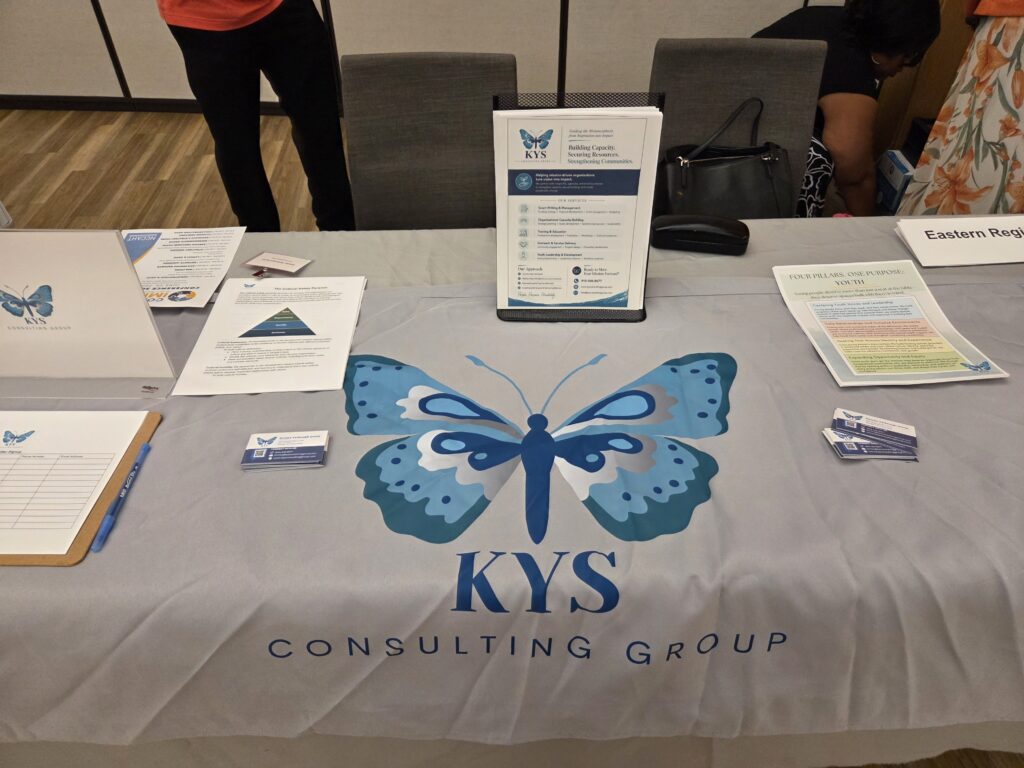
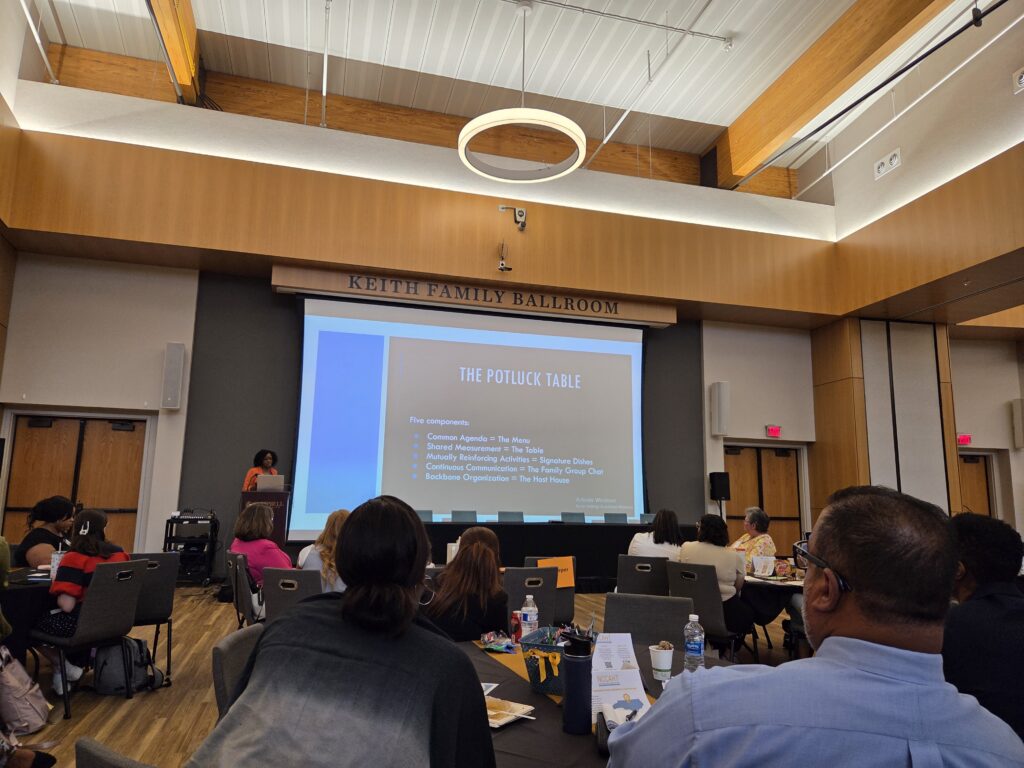
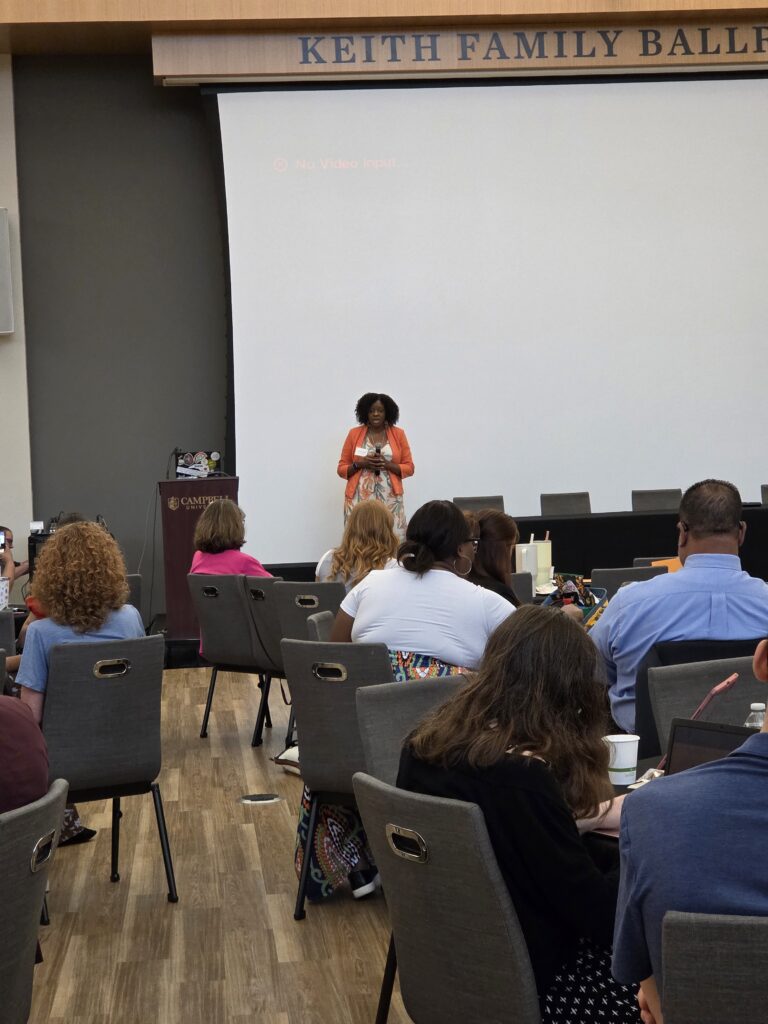
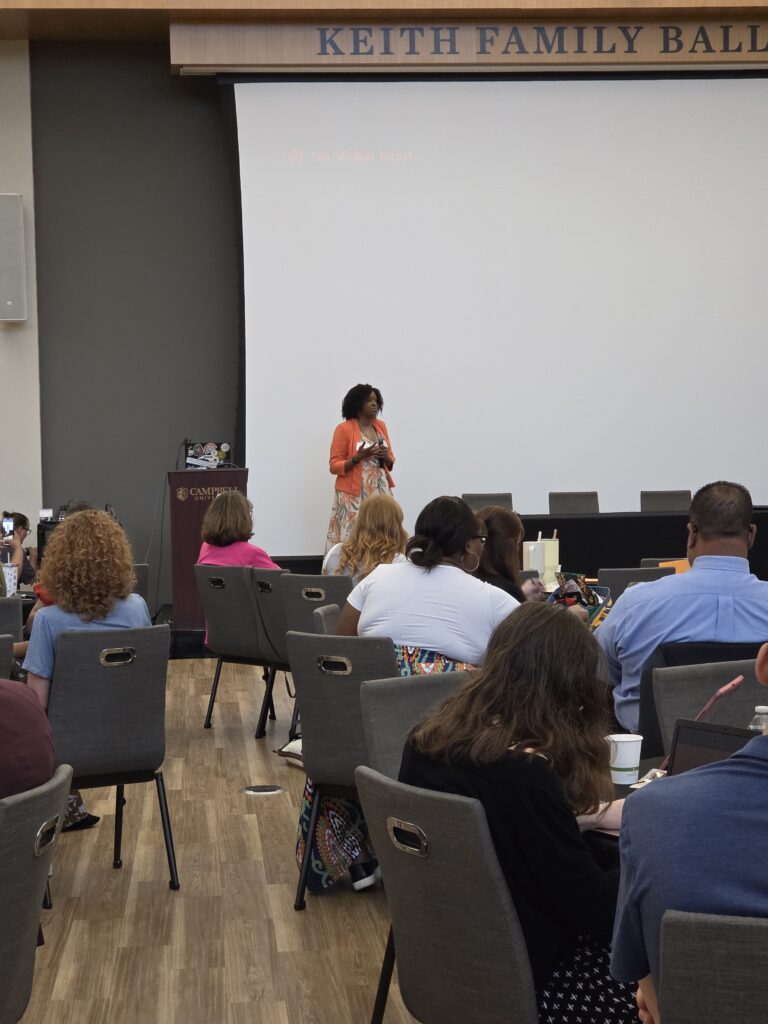
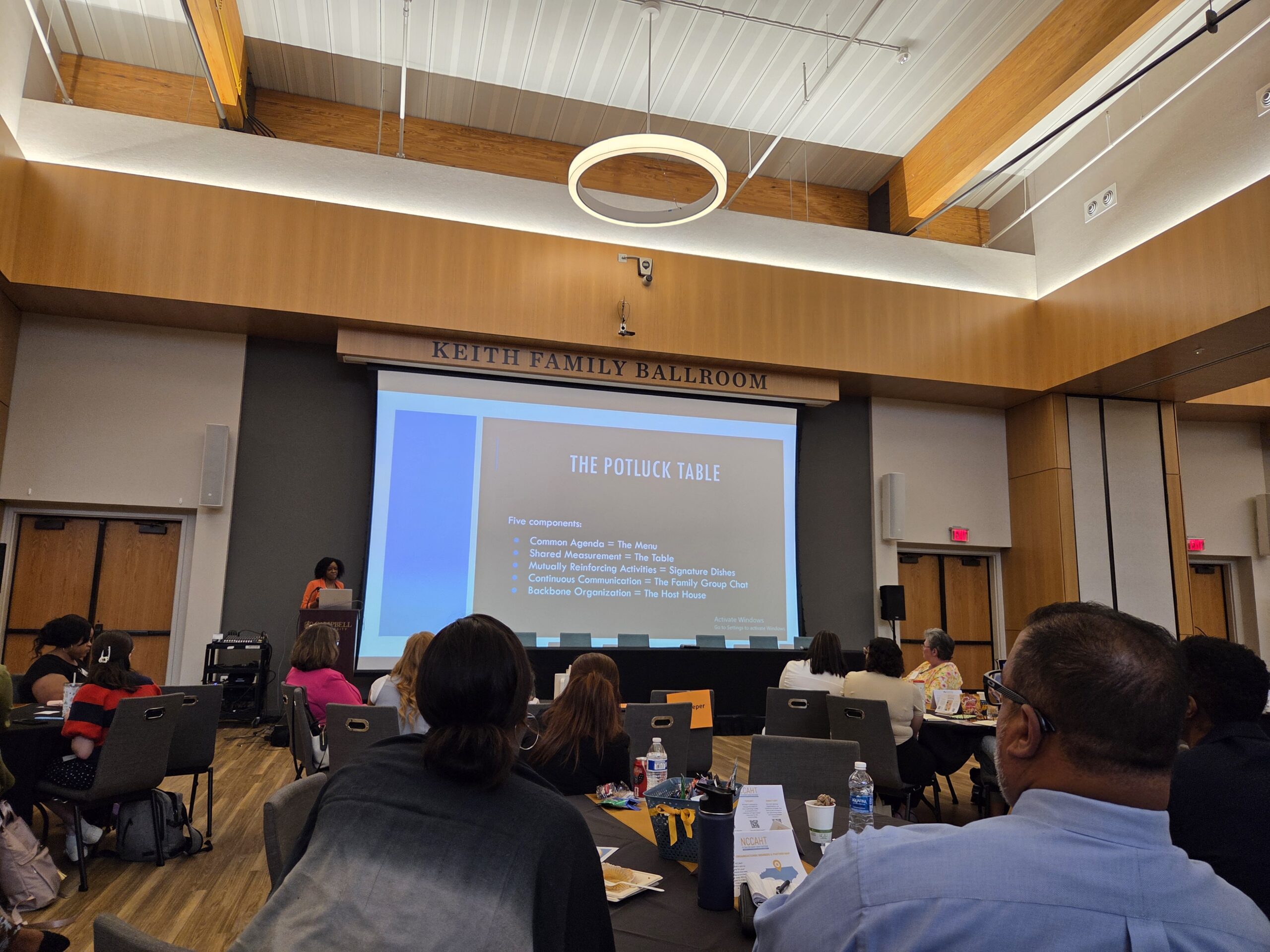
The afternoon keynote shifted the focus from individual organizations to the systems that connect them. Kiricka Yarbough Smith, founder of KYS Consulting Group, introduced attendees to her Collective Impact Framework, using a potluck dinner to explain how organizations can work toward the same objective without duplicating efforts.
"A common agenda is the menu. Shared measurement is the table. Mutually reinforcing activities are the signature dishes. Continuous communication is the family group chat, and the backbone organization is the host house," Smith said.
Smith reminded attendees that rescue is only one step in a survivor's journey. Long-term recovery depends on access to safe housing, legal assistance, counseling, employment opportunities and trusted advocates. That message was reinforced later in the conference as survivors courageously shared portions of their own experiences, reminding attendees that healing often continues long after someone leaves an exploitative situation.
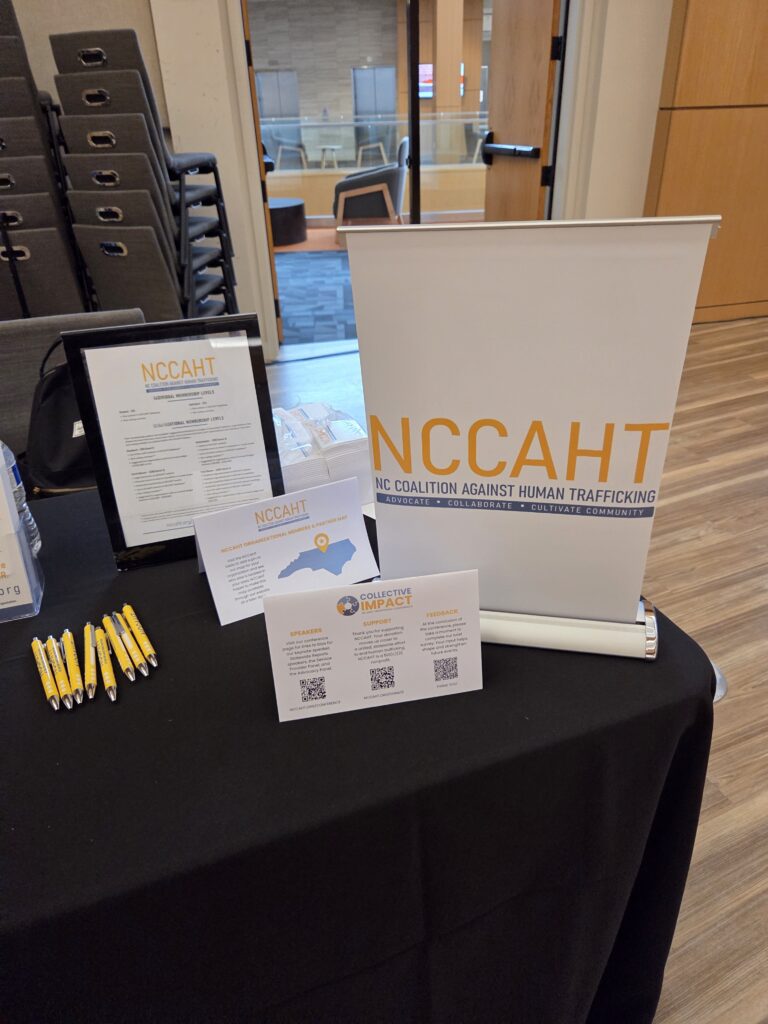
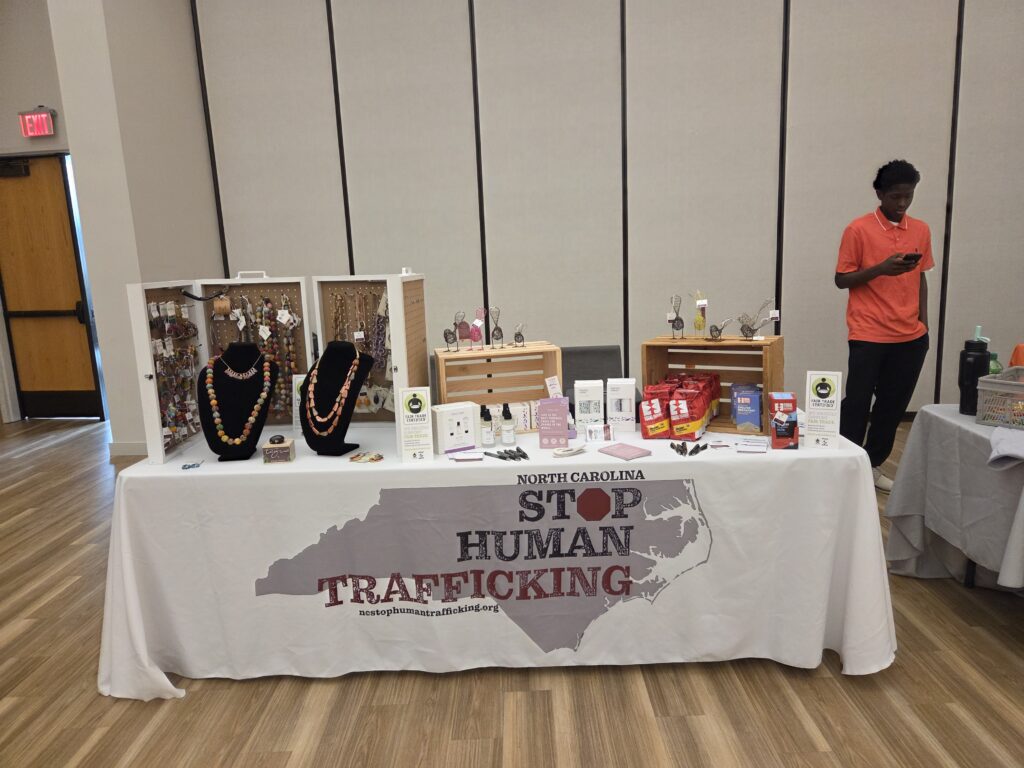
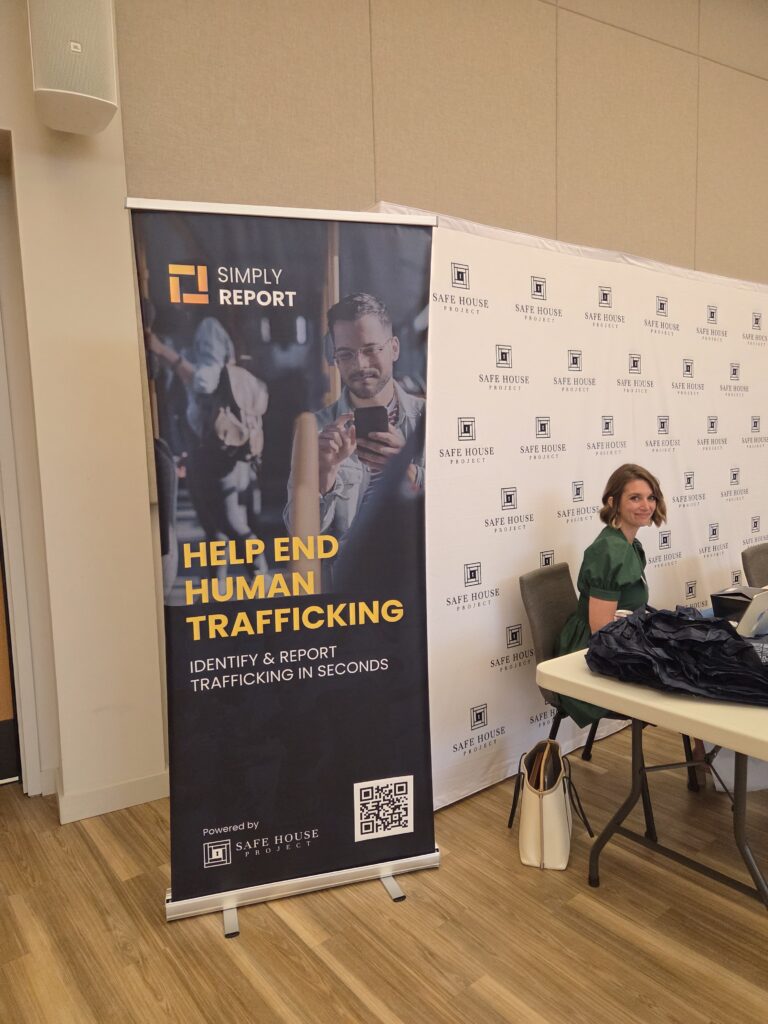
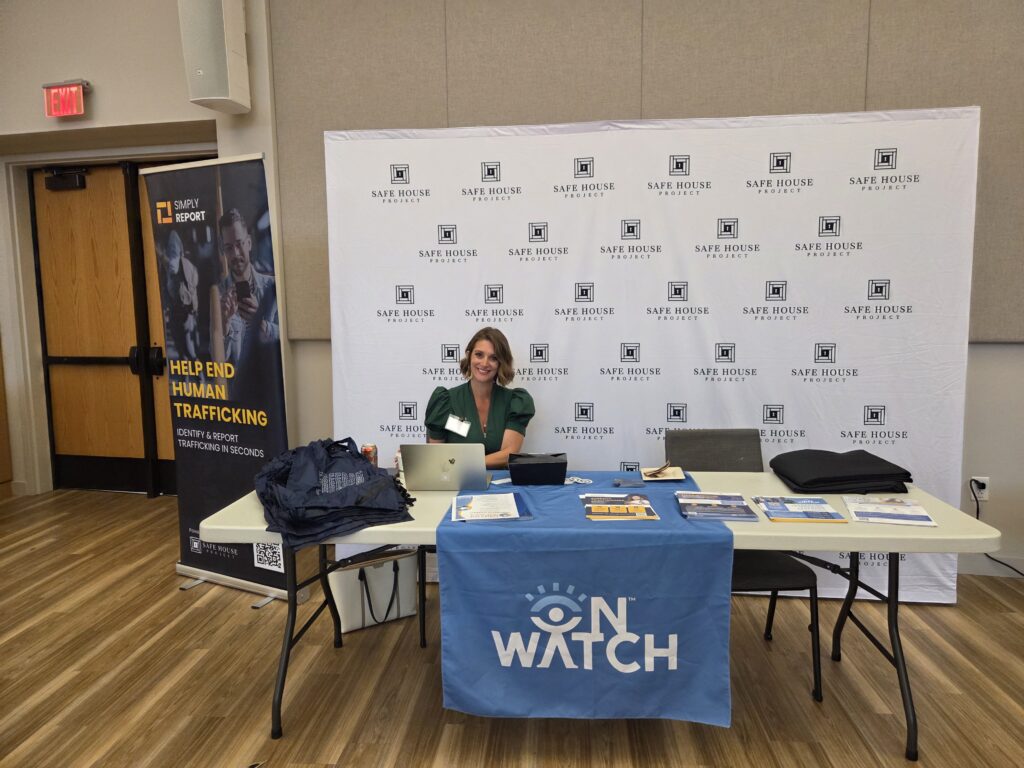
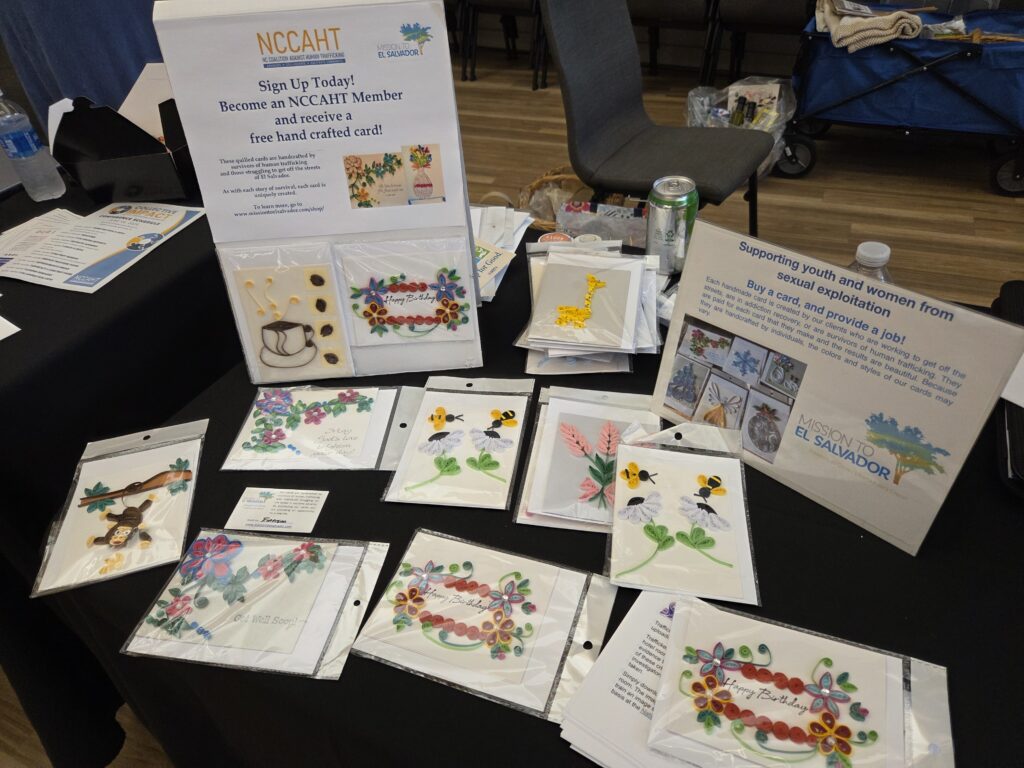
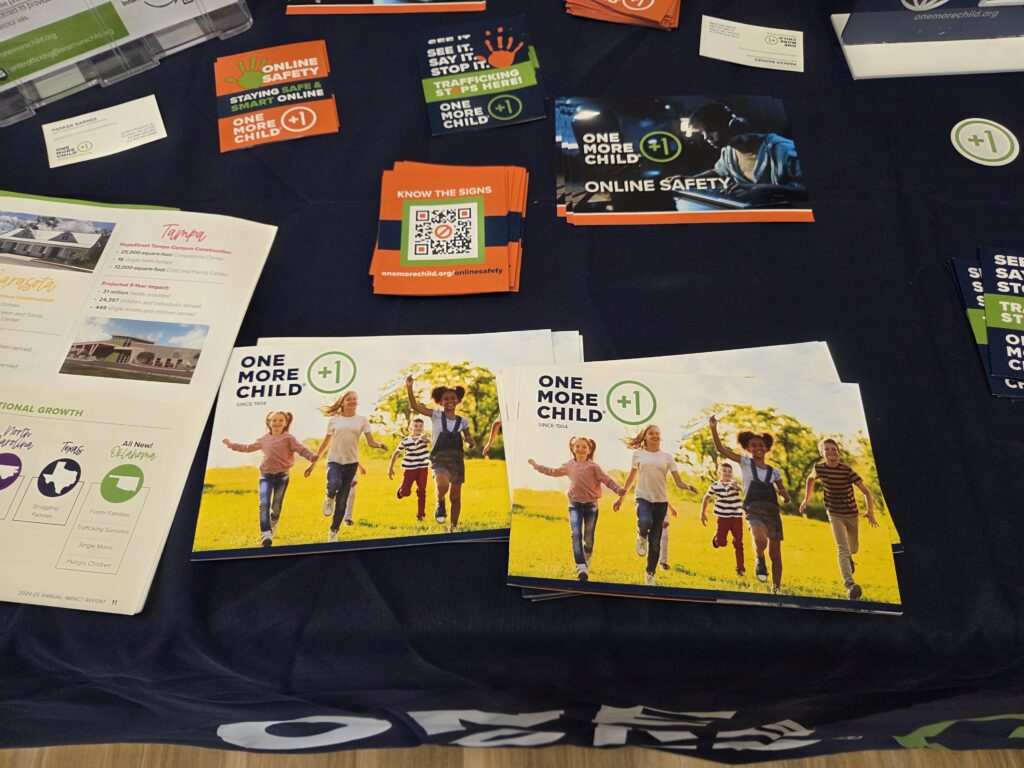
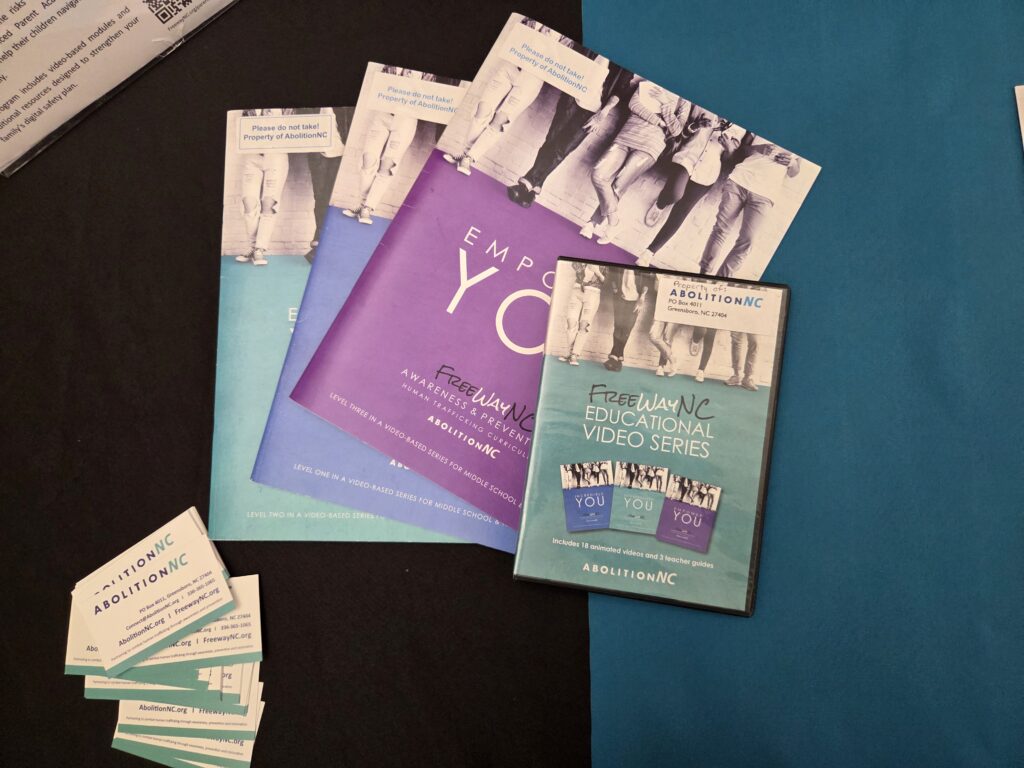
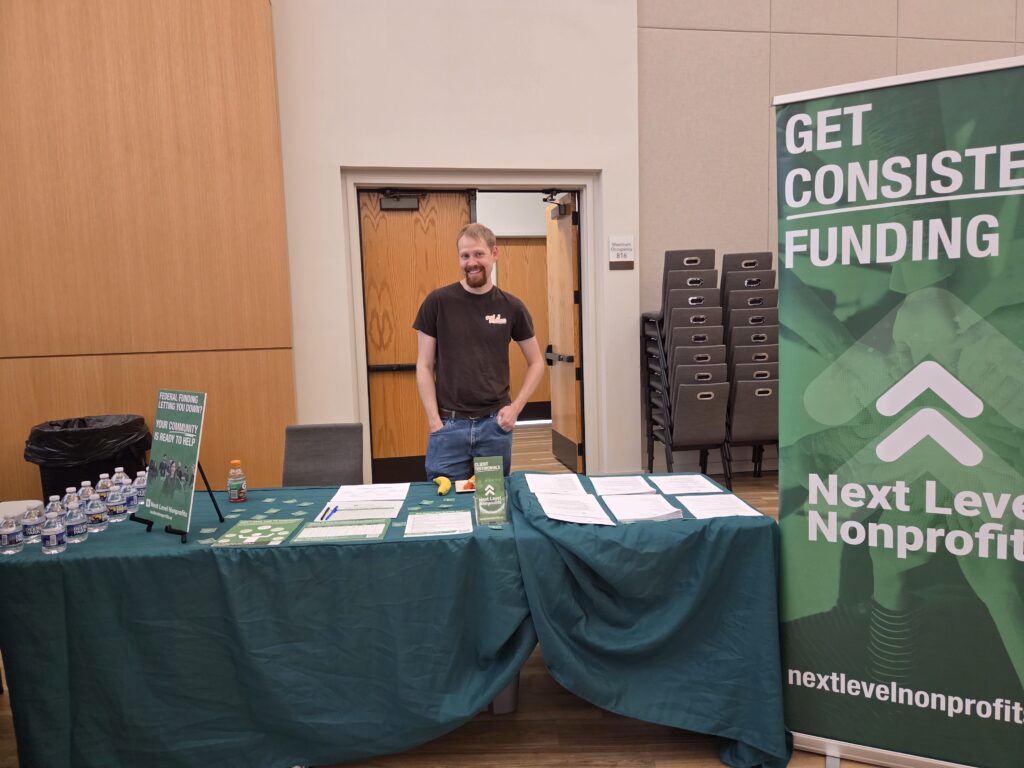
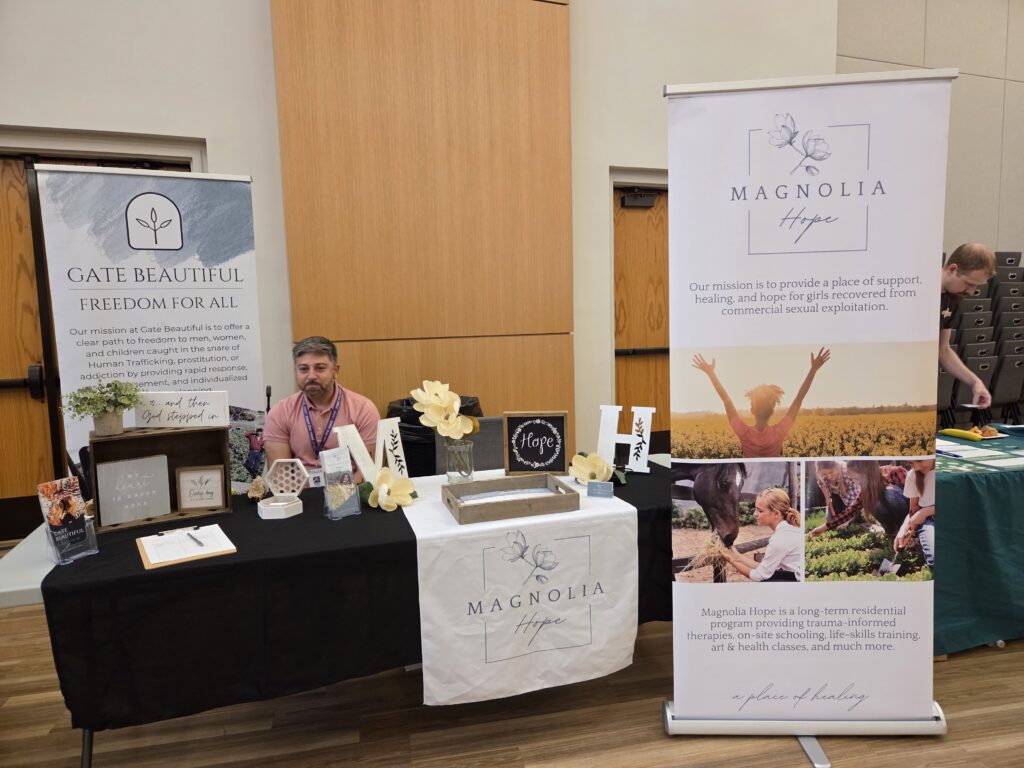
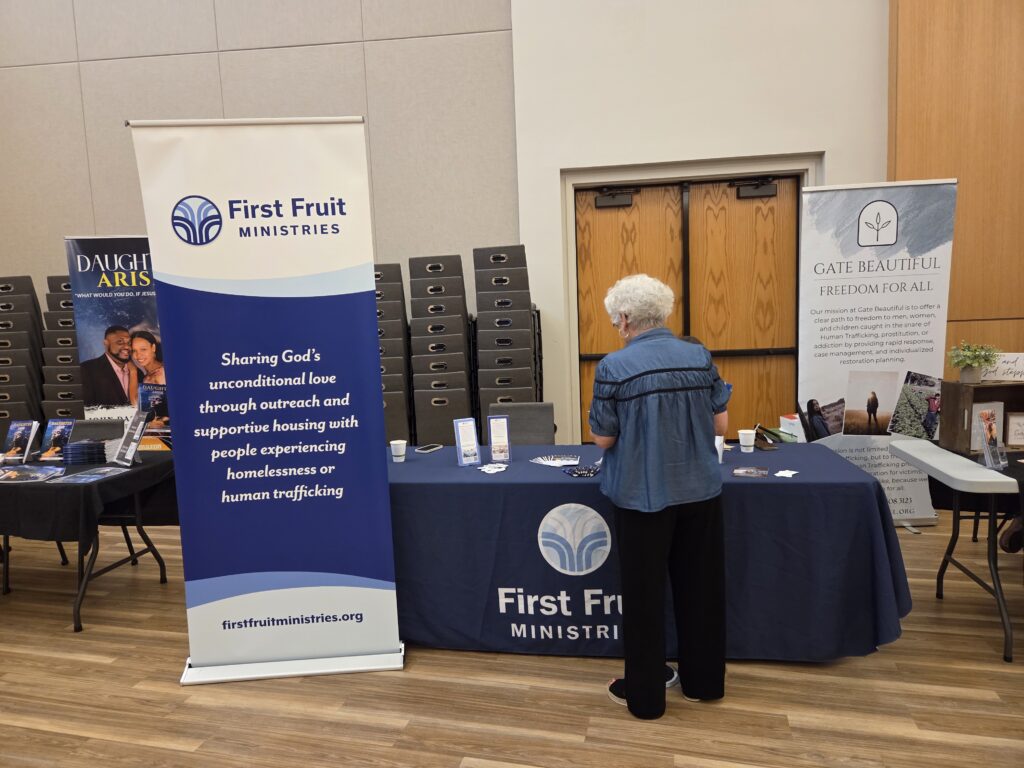
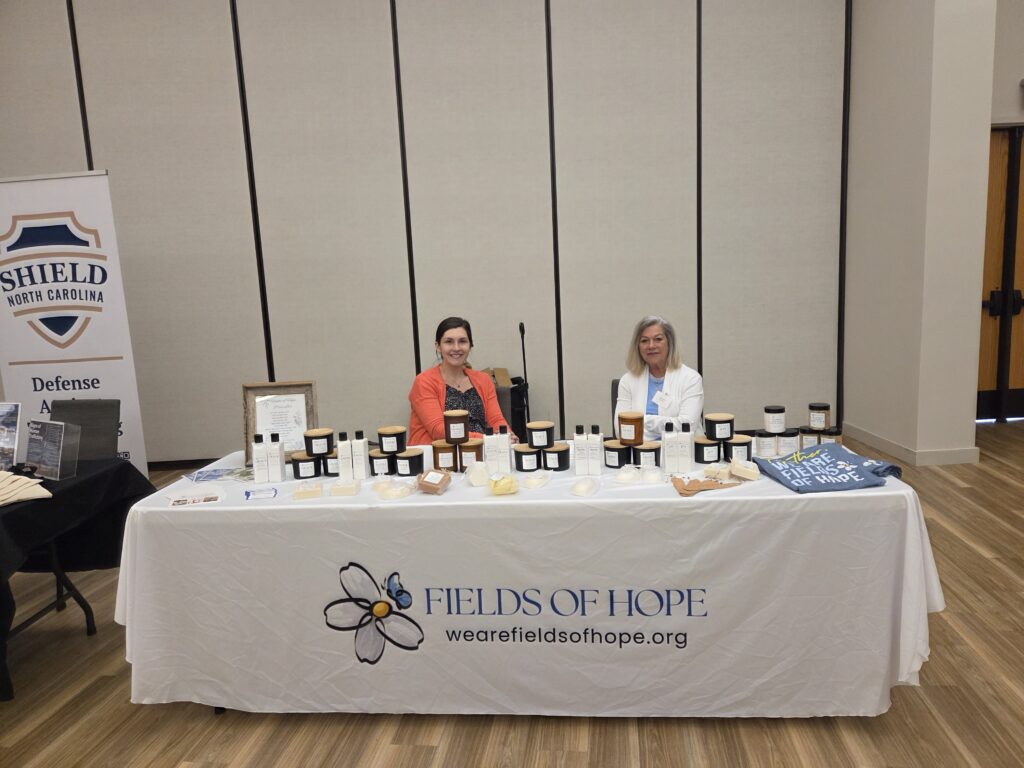
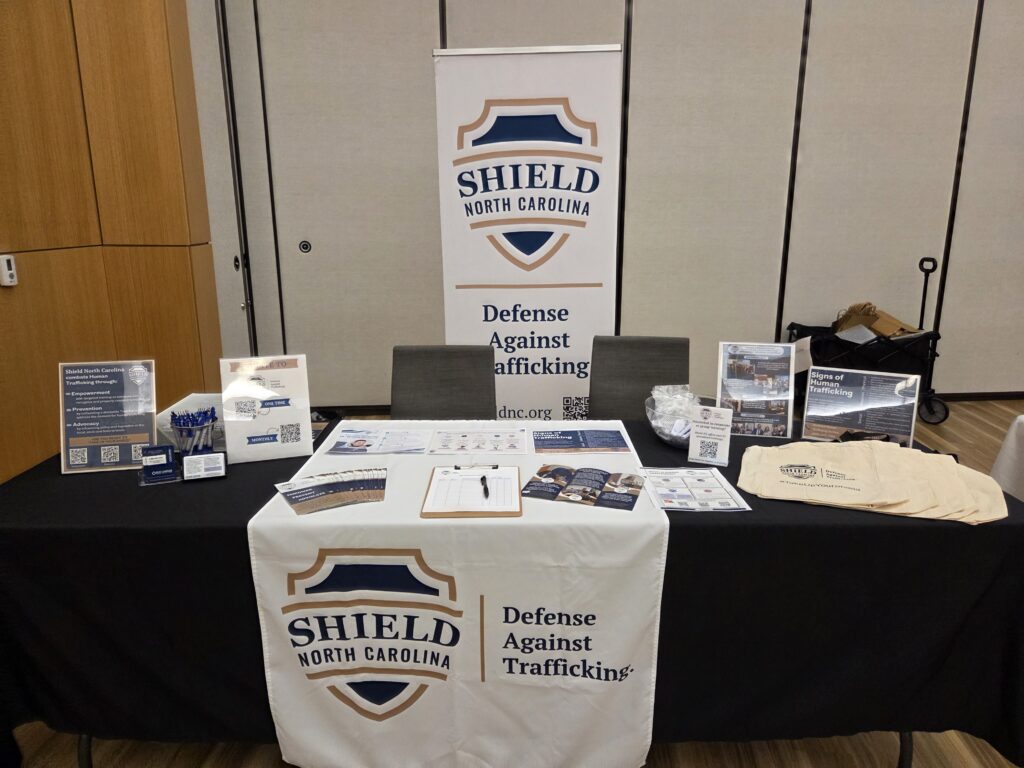
Between presentations, attendees visited the resource expo featuring organizations dedicated to every stage of a survivor's journey, from prevention and legal advocacy to emergency shelter, long-term housing, counseling and employment assistance. The expo gave participants an opportunity to speak directly with service providers, ask questions and learn what resources are available across North Carolina.
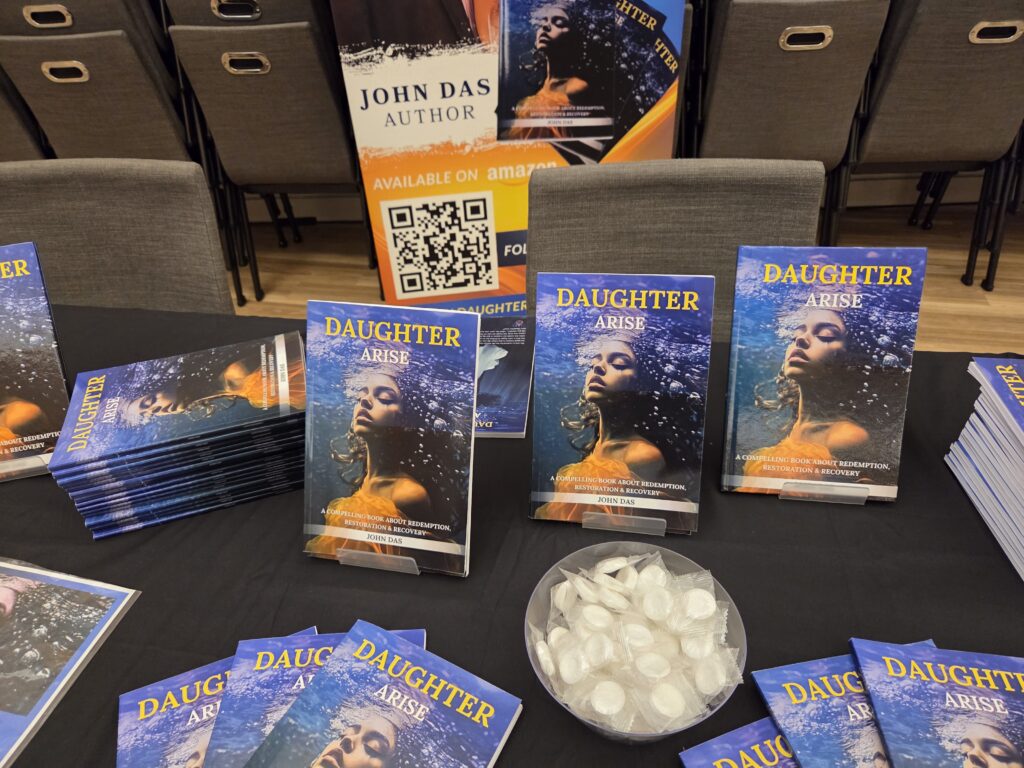
Coordinated by NCCAHT board members, including Kara Griffin of Catholic Charities Diocese of Charlotte, the expo featured organizations such as Legal Aid of North Carolina, Safe House Project, Shield North Carolina, Fields of Hope, Magnolia Hope, Project LIGHT, Gate Beautiful and Mission to El Salvador. Among the attendees was author John Das, who shared Daughter Arise: A Compelling Book About Redemption, Restoration and Recovery. Das described the book as both an apology to women and a call toward restoration, inspired by the women in his own life. It is a message of choosing healing after trauma that offers another perspective on escaping but also rebuilding a life afterward.
Between sessions, attendees learned about important resources they could immediately put into use within their own communities. One resource that drew particular attention was TraffickCam, a free smartphone application that allows travelers to upload photographs of hotel rooms. Investigators compare those images with photos found in online trafficking advertisements, helping identify locations where victims may be exploited.
Presenters challenged several common misconceptions about trafficking, reminding attendees that it rarely resembles the kidnappings often portrayed in movies. Victims do not fit a single profile, and many continue attending school, working jobs or interacting with the public while being exploited. Rather than looking for one obvious warning sign, community members were encouraged to recognize patterns such as someone appearing fearful or controlled by another individual, being unable to speak for themselves, lacking possession of identification or personal belongings, appearing malnourished or showing signs they cannot freely leave a workplace or living situation.
Those messages were reinforced by survivors who courageously shared portions of their own stories. Their experiences served as powerful reminders that trafficking often begins with manipulation rather than force and that recovery is rarely a single moment of rescue. Instead, healing often requires long-term access to safe housing, counseling, legal advocacy, employment opportunities and a network of trusted people willing to walk alongside survivors as they rebuild their lives.
Experts stressed that recognizing those warning signs is only the first step. Members of the public should never attempt to confront a suspected trafficker directly. If someone appears to be in immediate danger, call 911. For non-emergency situations, assistance is available through the confidential National Human Trafficking Hotline, which operates 24 hours a day, seven days a week. Help is available by calling 1-888-373-7888, texting 233733 (BEFREE) or visiting www.humantraffickinghotline.org. Trained advocates can connect victims, survivors and concerned community members with local resources, guidance and support.
As the conference concluded, one message remained clear: combating human trafficking requires more than awareness. Attendees gained a clearer understanding of what "collective impact" actually means.