
By Jordan Meadows
Staff Writer
A proposed restructuring of hotel occupancy taxes in Nash County and the City of Rocky Mount is moving forward under NC House Bill 332, legislation designed to resolve long-standing disputes over how tourism revenue is collected and spent.
The bill would significantly change how room occupancy taxes, including fees added to hotel stays, are distributed in the portion of Rocky Mount located in Nash County. Currently, Nash County levies a 5% occupancy tax on accommodations countywide, including hotels within city limits. Of that total, the first 3% is directed to the Nash County Tourism Development Authority (TDA), which must spend at least two-thirds of its funds on tourism promotion and the remainder on tourism-related projects. The remaining 2% is transferred to the City of Rocky Mount, but with a major limitation: the city cannot spend those funds without prior approval from the county’s tourism authority.
City officials have argued that this arrangement restricts Rocky Mount’s ability to invest in tourism independently, particularly since most hotel stays in the county occur within city limits. House Bill 332 seeks to resolve that tension by restructuring the system.
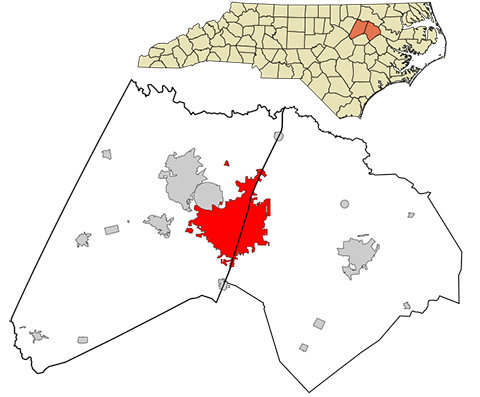
The legislation would reduce Nash County’s authority to levy occupancy taxes from 5% to 3%, eliminating the extra 2% currently earmarked for Rocky Mount. In its place, the bill creates a new taxing entity known as “Rocky Mount District R,” which includes only the portion of the city located in Nash County.
Under the proposal, District R would be authorized to levy its own 3% occupancy tax, with revenues going directly to a newly established Rocky Mount District R Tourism Development Authority. Like the county TDA, the new authority would be required to spend at least two-thirds of its funds on tourism promotion, with the remaining portion eligible for tourism-related infrastructure and projects. If implemented, the change would increase the total hotel tax rate in the Nash County portion of Rocky Mount from 5% to 6%, combining the county’s 3% tax with the district’s new 3% levy.
Supporters say the shift is less about raising taxes and more about giving the city direct control over its share of tourism revenue.
The legislation also includes safeguards intended to standardize governance and prevent conflicts of interest. Elected officials would be prohibited from serving on either the county or district tourism boards, aligning the measure with long-standing Occupancy Tax Guidelines established by the North Carolina House Finance Committee.
The bill was introduced in March 2025 by State Representative Allen Chesser (R-Nash) as a local measure, meaning it applies specifically to Nash County and Rocky Mount. Because of its local scope, the legislation does not require the governor’s signature to become law, but must still pass both chambers of the General Assembly. The NC House approved the bill on its third reading last Wednesday after revisions.
The measure is now under consideration in the North Carolina Senate, where it has been referred to the Committee on Rules and Operations.
The proposed overhaul follows years of friction between Nash County and Rocky Mount officials over control of tourism funding. Critics of the current model say it creates a bottleneck that slows or limits local investment in tourism-related assets, such as downtown attractions and cultural institutions. The Nash County Tourism Development Authority has formally opposed the measure.
Financially, the restructuring could divide what has been roughly $1.2 million in annual hotel tax revenue into two separate streams — one controlled by the county and one by the city’s new district authority.
The issue has also drawn attention in the context of Rocky Mount’s broader fiscal challenges. Local leaders have emphasized the importance of stable, independent revenue sources to support tourism anchors such as the Imperial Centre and reduce reliance on property taxes.
If enacted, House Bill 332 would take effect July 1. Any remaining or unspent funds from that portion would be transferred to the new district tourism authority once it is established.
