
By Jheri Hardaway
Staff Writer
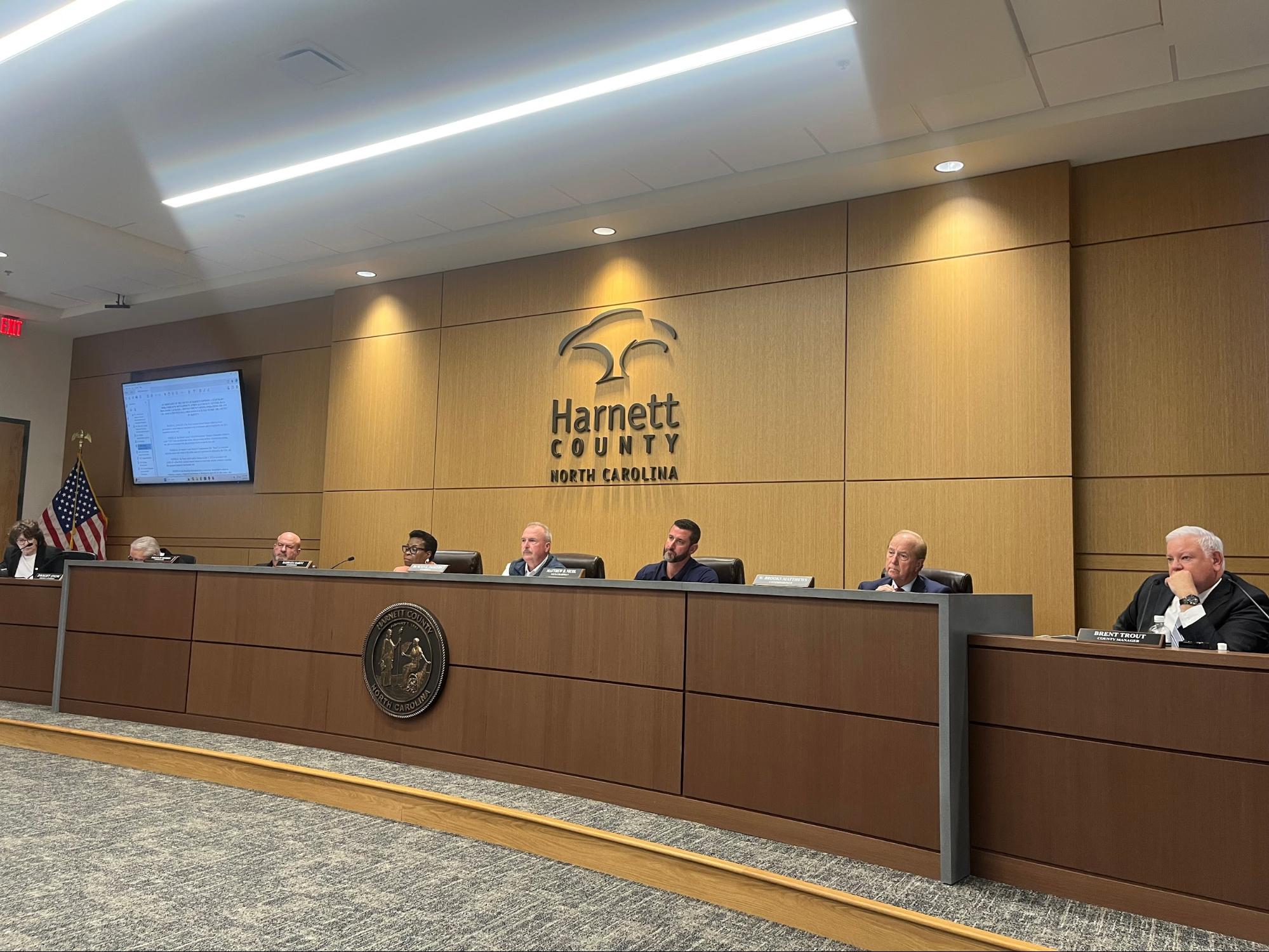
Lillington, NC - In a standing room only meeting marked by passionate pleas for environmental justice and fiscal transparency, the Harnett County Board of Commissioners voted Monday to implement a temporary development moratorium on data centers. The unanimous "yes" vote effectively hits the pause button on a burgeoning industry that critics argue threatens the county’s water supply, power grid, and rural character. The moratorium will remain in place while the county updates its Unified Development Ordinance (UDO) to address the specific impacts of these high-consumption facilities. It was a busy meeting; not only did commissioners approve a one-year moratorium on data centers, but they also committed $110 million to reduce PFAS in the water supply and adopted a new policy allowing officials to remove certain public comments from county social media pages.
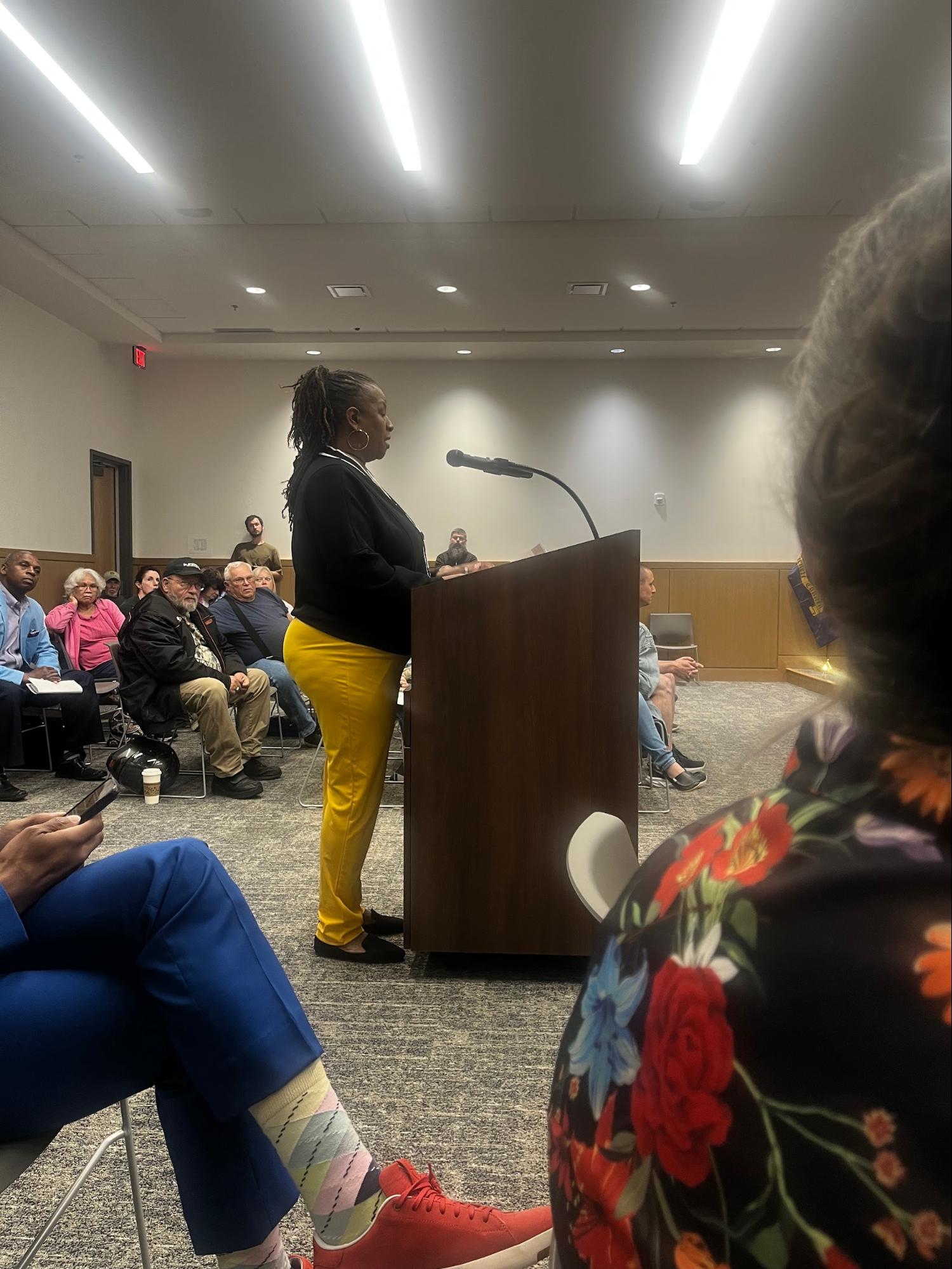 The public hearing saw a parade of residents, activists, and experts who challenged the narrative that data centers are an economic windfall. Leading the opposition, Kameka Dempsey, an advocate for environmental justice, drew from her personal history as a former data center worker to warn of "economic extraction." "The companies that want to build data centers in Harnett County are not coming here because they love us," Dempsey told the board. "They are coming here because our land is cheap, our water is accessible, and so far, our local government hasn't said no."
Dempsey cited data from the UNC Media Hub and Penn State Extension, noting that 85% of North Carolina’s new electricity demand over the next 15 years is projected to come from data centers. She warned that the massive water consumption ranging from 10,000 to 5 million gallons per day could strain local infrastructure to its breaking point.
Benita Harrington, President of the Harnett County NAACP, urged the board to view the issue through the lens of civil rights. "Historically, communities of color, rural residents, and low-income families have too often borne disproportionate environmental burdens," Harrington said. She shared that if data centers are ever allowed, at least 40% to 50% of the jobs must be filled by local residents, with strict annual disclosures on energy and water use.
Resident Marge Moreton echoed these concerns, specifically pointing to the sensitivity of the Cape Fear River watershed. "No amount of tax revenue is worth compromising the safety of our water supply," Moreton said. "Some things are not for sale."
The meeting wasn't only about data centers. A significant portion of the gallery was present to protest a "blindsiding" 2026 real estate reappraisal that has seen some mobile home owners' tax bills skyrocket by over 1,000%. Jerry Rivas, a resident who described his property tax increase as "punitive," warned commissioners of the political consequences. "If you people let this crap stand, I promise you, not a single one of you will be reelected," Rivas said.
Others, like Richard Chapman, called for a "poverty inventory" to help the county understand the true extent of food insecurity and homelessness before committing to large-scale industrial projects.
County Manager Brent Trout clarified that the moratorium is a legal necessity to allow the county time to draft protections. Currently, Harnett’s UDO does not have specific language to regulate data centers, leaving the county vulnerable to "by-right" development. "The purpose of the moratorium is to delay anything from happening until we get a UDO in place that protects the county," Trout explained.
As the meeting adjourned, the message from the people of Harnett was clear: they are wary of "shiny apples" offered by outside corporations and demand a future that prioritizes their water, their land, and their pockets over speculative tech growth.
