By Jheri Hardaway
Staff Writer
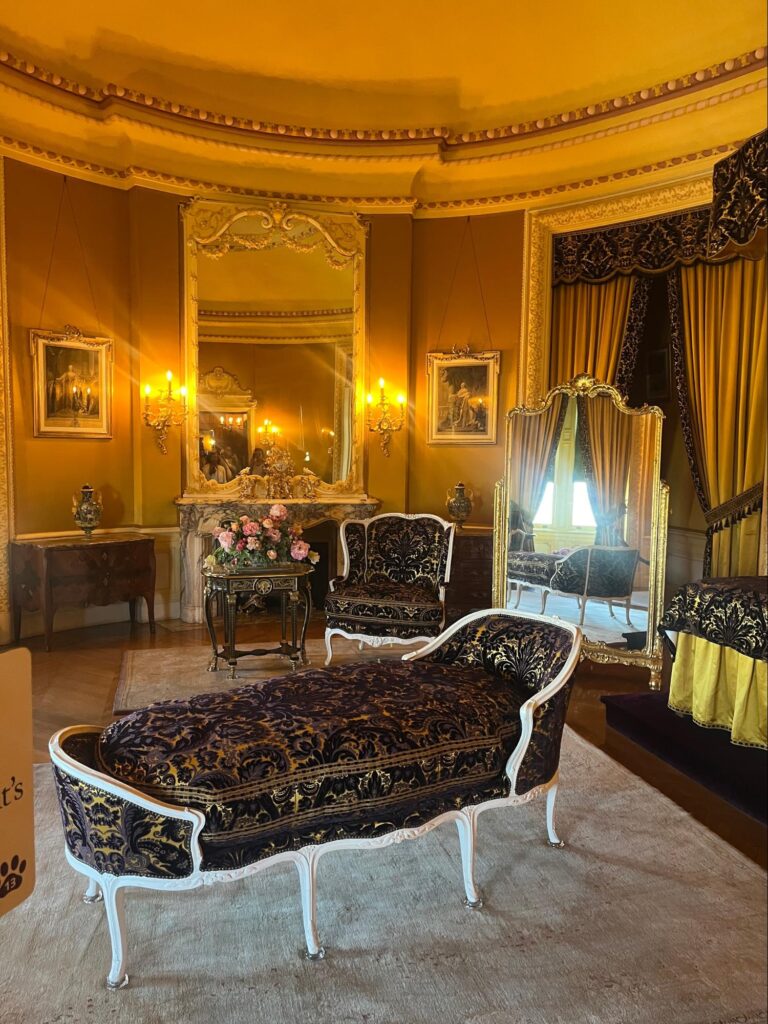
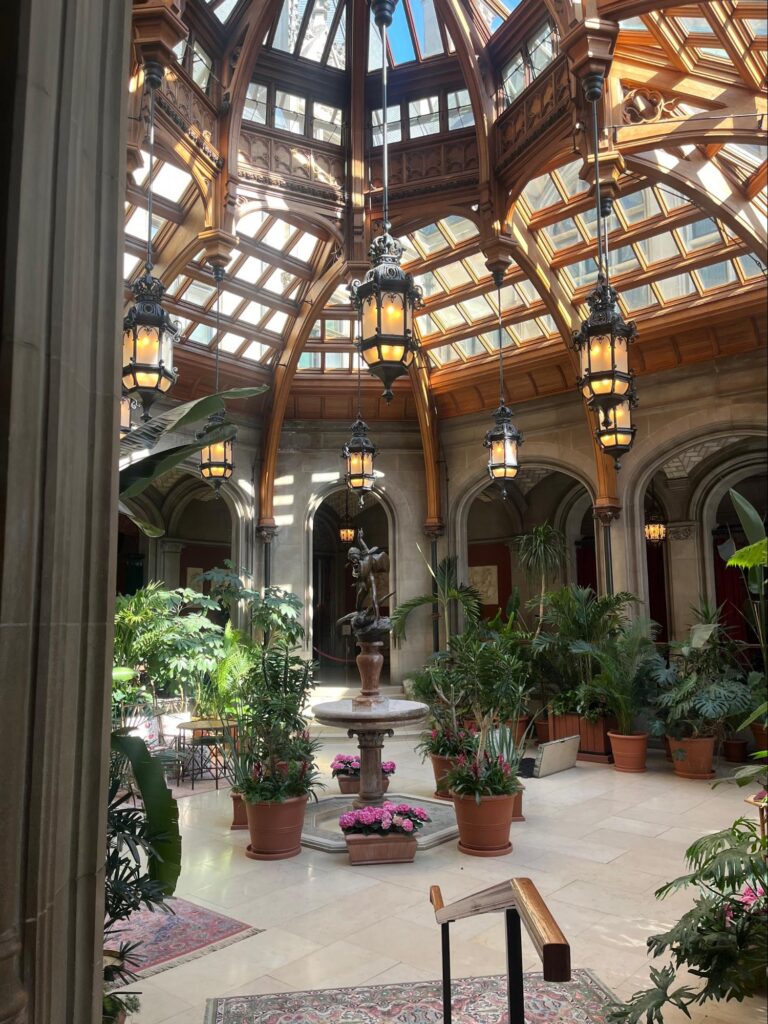
In today’s economic climate, conversations often gravitate toward the hardships of the Great Depression or the anxieties of modern recessions. Yet, for those seeking a tangible example of unparalleled wealth and architectural opulence, look no further than the Biltmore Estate. This exclusive, ornate landmark offers a masterclass in detail, where every glance reveals another layer of craftsmanship and history.
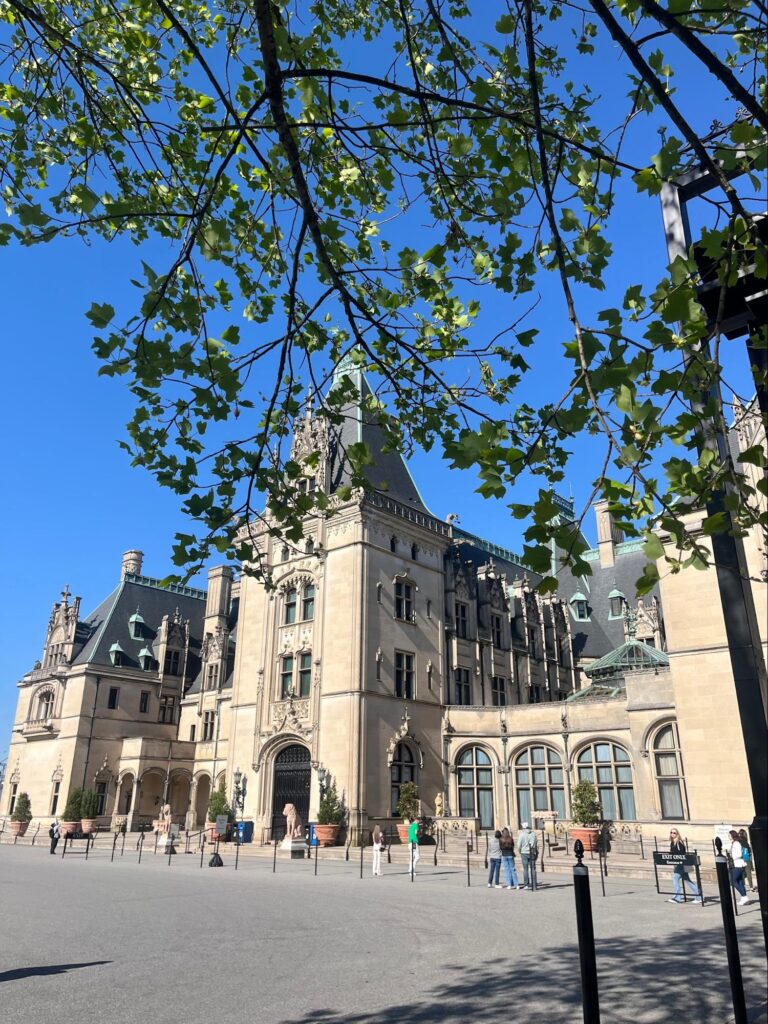
Tourism serves as a cornerstone of the North Carolina economy. As a state that boasts everything from serene coastal beaches to majestic mountains, there is a wealth of culture and nature to explore. Buncombe County stands as the third-most-visited county in the state, trailing only Mecklenburg and Wake. At its heart lies Asheville, home to the world-renowned Biltmore Estate, the largest privately owned residence in the United States, and home to America’s most visited winery.
The house has an impressive and historic origin story. George Vanderbilt, grandson of famed shipping entrepreneur and industrialist Cornelius “the Commodore” Vanderbilt, first visited Asheville, North Carolina, in 1888. Captivated by the area’s natural beauty, he slowly began purchasing land, ending up with 125,000 acres for what would become his country estate. Determined to make this a self-sustaining home, George enlisted architect Richard Morris Hunt to design and build the 250-room château. Landscape architect Frederick Law Olmsted was also hired to create formal gardens and transform the former farmland into a beautiful pastoral landscape. Both men are memorialized inside the home with lavish portraits commissioned by the visionary George Vanderbilt.
As I explored the rooms and listened to the stories behind the details, I thought more and more about the actual labor. Then, as we approached the end of the tour, there was a colorful room that spoke to the skilled craftsman who did the real work. Bricks were made on sight and people came from far and wide to make an honest day's wage. It was noted that African American laborers were paid less. It was also mentioned briefly that a portion of the land belonged to an African American community called Shiloh. More research and details are needed; however, time always has a way of telling. I am confident that the Biltmore administration will be transparent and informative as history unveils its story.
Biltmore offers a plethora of experiences for every visitor, blending natural beauty, fine wine, and gourmet dining with world-class accommodations that create a seamless, all-inclusive atmosphere in the scenic mountains of North Carolina. During my visit, I was profoundly struck by the level of intricate detail and the unwavering dedication to both historical preservation and continuous expansion. The estate is brought to life by knowledgeable staff members who are eager to share historical tidbits and personal stories, enriching the tour with a human connection to the Vanderbilt legacy. It is a place where the grandeur of the past meets the hospitality of the present, making every visit a memorable journey through American history.