
 By Jheri Hardaway
Staff Writer
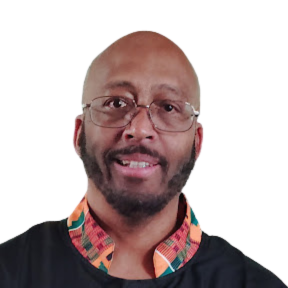
Sanford, N.C. - For Dr. Shawn E. Williams, the vision behind MINA Charter School of Lee County was never just about education—it was personal. The school was founded in honor of his mother, who passed away in 2016. “MINA” was the name she was affectionately called, and it became the inspiration behind the school’s meaning: More Is Now Achievable.
“What we built was rooted in purpose,” Williams shared. “It took years of work—securing land, funding, building a facility, and assembling a team committed to students and families.”
Serving initially as Chairman of the Board, Williams helped guide the school through its early development. In the midst of the COVID-19 pandemic, after an unexpected leadership vacancy and an extensive search process, the board asked him to step into the role of Lead Administrator.
“After much prayer and counsel, I made the decision to step away from my previous employment and take on that responsibility.”
From 2020 through May 2023, Williams led the school during one of the most challenging periods in modern education. Under his leadership, the school maintained strong enrollment, secured grant funding, and positioned itself for continued growth. Following a change in board leadership, however, Williams’ tenure came to an end in a transition he described as unexpected. The departure led to a civil dispute, which was ultimately resolved through mediation and dismissed with prejudice. During that same period, criminal charges related to his prior employment were brought against him. Williams voluntarily presented himself to law enforcement and was arrested. A $600,000 secured bond was imposed, resulting in ten days of incarceration before he was able to secure his release. “That experience was one of the most difficult seasons of my life,” he said.
The charges were ultimately dismissed in March 2026, with the District Attorney citing insufficient admissible evidence and lack of cooperation from the complaining party.
While the legal matter has concluded, Williams says the impact extended far beyond the courtroom. “In theory, we say a person is innocent until proven guilty,” he said. “But in practice, once you are charged, people begin to treat you as if you are already guilty.”
He described how the charges affected his ability to work, his standing in the community, and even his access to certain privileges. “When doors begin to close, it creates pressure in every area of life,” he expressed. “If a person cannot work, they cannot provide. That reality contributes to a cycle many people struggle to escape.”
Williams said that although he had additional sources of income, the financial strain became overwhelming over time, ultimately leading him to file for bankruptcy. He also reflected on the broader questions raised by his experience with the bond process. “My understanding is that bond is intended to ensure a person returns to court, in my case, I voluntarily presented myself, yet I was given a $600,000 secured bond.”
Williams shared that his experience, particularly the bond determination, led him to reflect on how similar legal circumstances can result in very different outcomes. “When you go through something like this, you become more aware of how much discretion exists in the system and how profoundly those decisions can shape a person’s life. These are the kinds of things that make you reflect,” he said. “Not just about what happened to me, but about how the system operates more broadly.”
Williams also reflected on how his experience connects to broader conversations within Black and faith-based communities. “As a Black man and a pastor, I am very aware of how quickly circumstances can change, there is an added weight that comes with knowing how easily your life, your work, and your reputation can be disrupted. For many people on the margins, stability can be fragile, and when pressure comes, it doesn’t just affect one person—it affects families, churches, and entire communities.” During the ordeal, Williams faced significant emotional and mental strain. “There were moments when the weight of everything became overwhelming, but my faith in God, the support of my family, and the strength of my church family carried me through.”
Dr. Williams also expressed deep gratitude for those who stood beside him during one of the most difficult periods of his life,“There were a few people—both within the church and outside of it—who stood with me every step of the way, from fellow clergy to close friends, their support meant more than words can express.” While the circle was small, Williams said their presence was significant. “You learn a lot about relationships in difficult seasons, and I am thankful for those who chose to stand.” Despite the challenges, he remains committed to his calling, “The faithful remained, and we are still standing,” he said. “This experience did not define me—it refined me.”
Today, Williams continues his work as a pastor and community leader, focused on moving forward while reflecting on the lessons of the journey. “There is still purpose ahead,” he said. “And I believe that even in difficult seasons, God is still at work.”
