
By Jheri Hardaway
Staff Writer
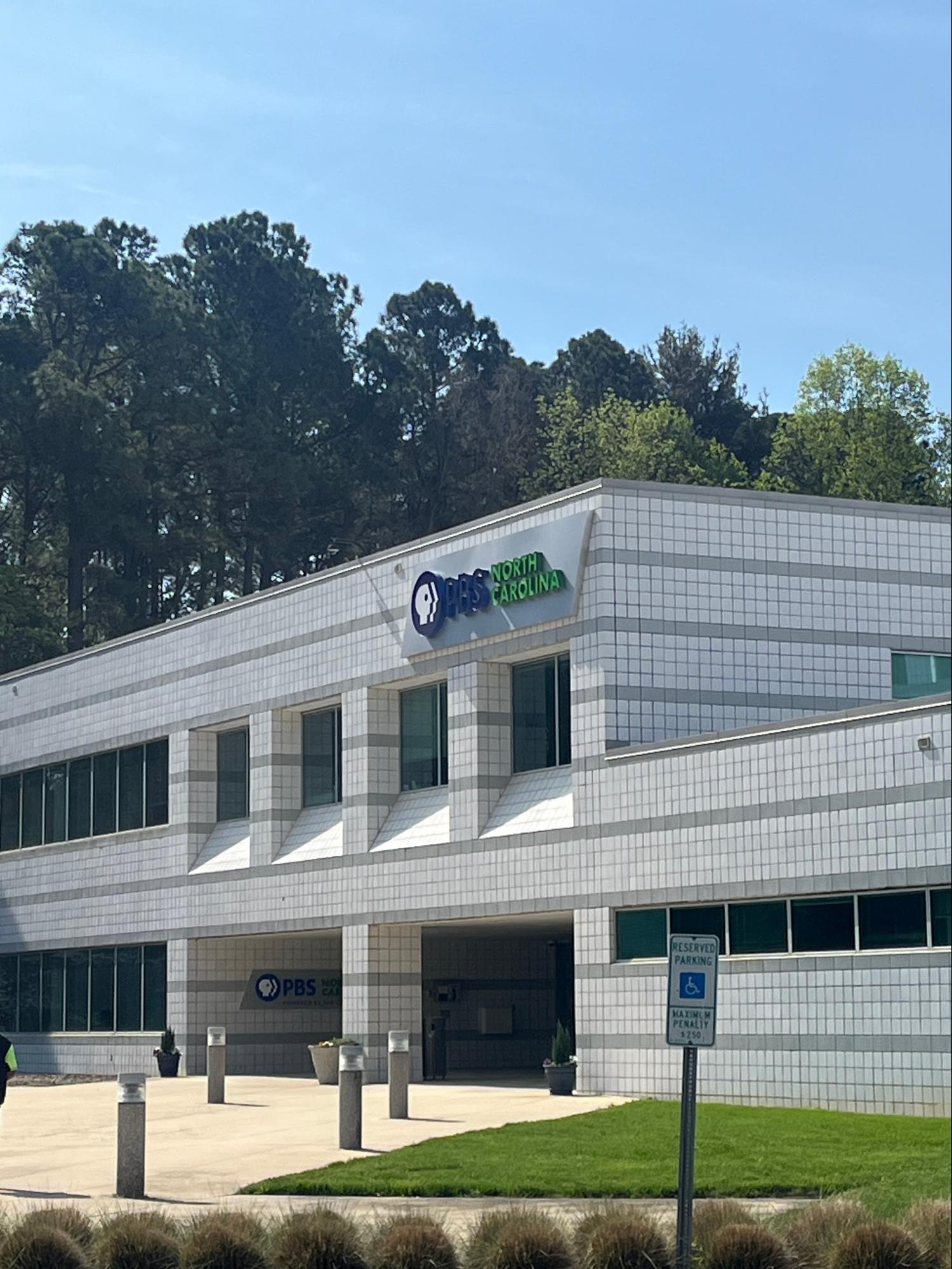
RTP, NC - PBS NC Black Issues Forum in it’s 40th year continues to do the work tackling important topics as a fixture of national Black media. We were given behind the scenes access on an essential conversation on neurodiversity, specifically focusing on the landscape of autism support within North Carolina. Hosted by Kenia Thompson, the segment featured insights from Nicole Harris of the Autism Society of North Carolina and Felicia Williams-Brown of Pioneering Change Consulting. The discussion pulled back the curtain on the triumphs and systemic hurdles facing families today. The numbers and the need were quite striking. North Carolina is currently home to approximately 186,000 individuals living with autism. While the Autism Society helps more than 40,000 families receive services annually, a significant gap remains. While 67% of those diagnosed are receiving some form of service, the remaining third of the population highlights a pressing need for expanded reach and resources.
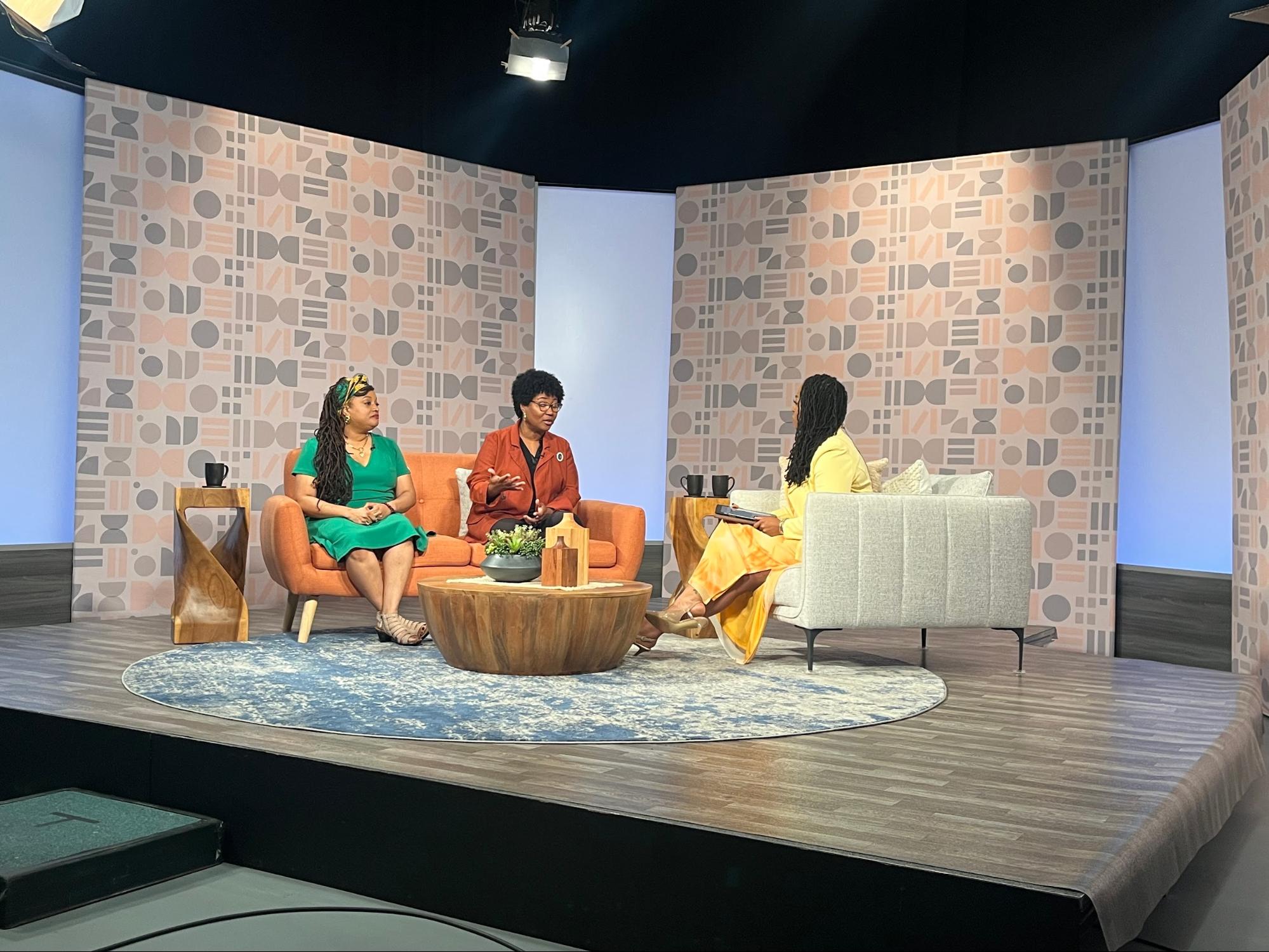
The conversation, available via YouTube on PBS NC this Friday, emphasized that "awareness" is only the first step; the true goal is providing comprehensive support for: Families, navigating the initial diagnosis and long-term care. Teachers, equipping educators with the tools for inclusive classrooms. Finally, communities, fostering environments where neurodivergent individuals can thrive.
One of the most enlightening revelations from the forum was the intersection of race and developmental diagnosis. While autism is a distinct developmental disability, data show that 38% of people with autism also receive an intellectual disability diagnosis. Within the Black community, that number jumps to 50%. Panelists noted that determinations often come from clinical observation, a process that can be susceptible to inherent bias. This underscores the necessity for early intervention and accurate, culturally competent assessments to ensure that Black children are not being mislabeled or underserved.
For those seeking help, the forum highlighted several vital lifelines:
* CDSA (Children’s Developmental Services Agency): The primary point for early intervention referrals.
* Autism Resource Specialists: These experts provide free guidance to help families identify exactly how the community can best support their specific needs.
* Therapeutic Pillars: The importance of a "wrap-around" approach involving speech therapy, occupational therapy, parent coaching, and consistent social support.
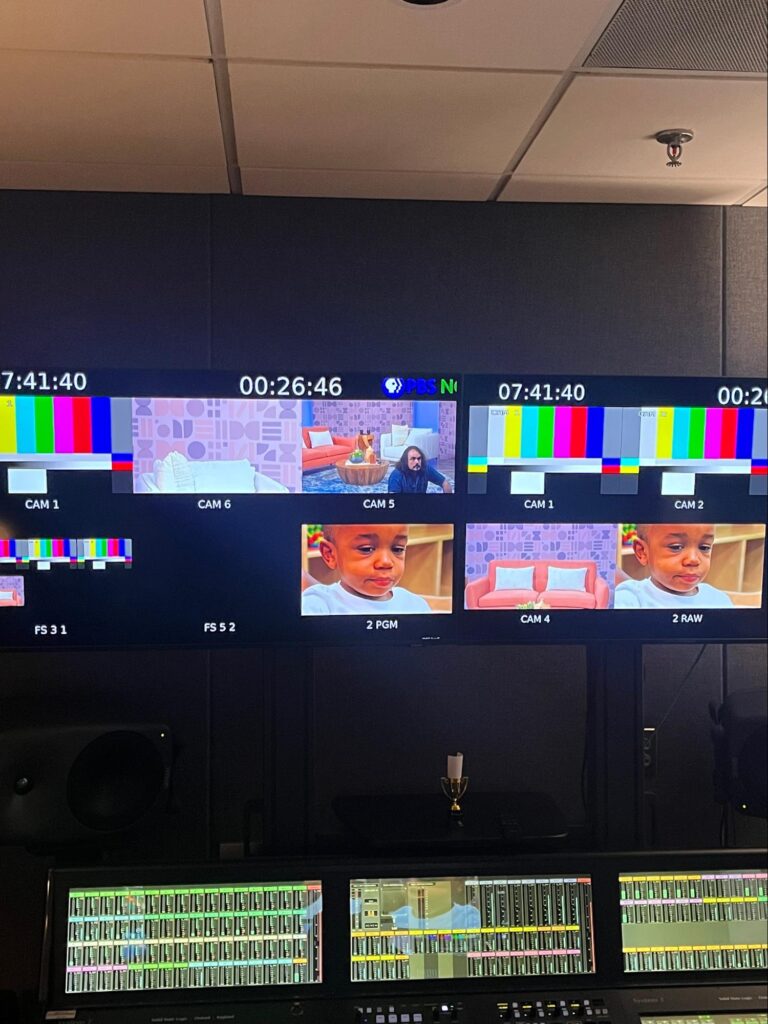
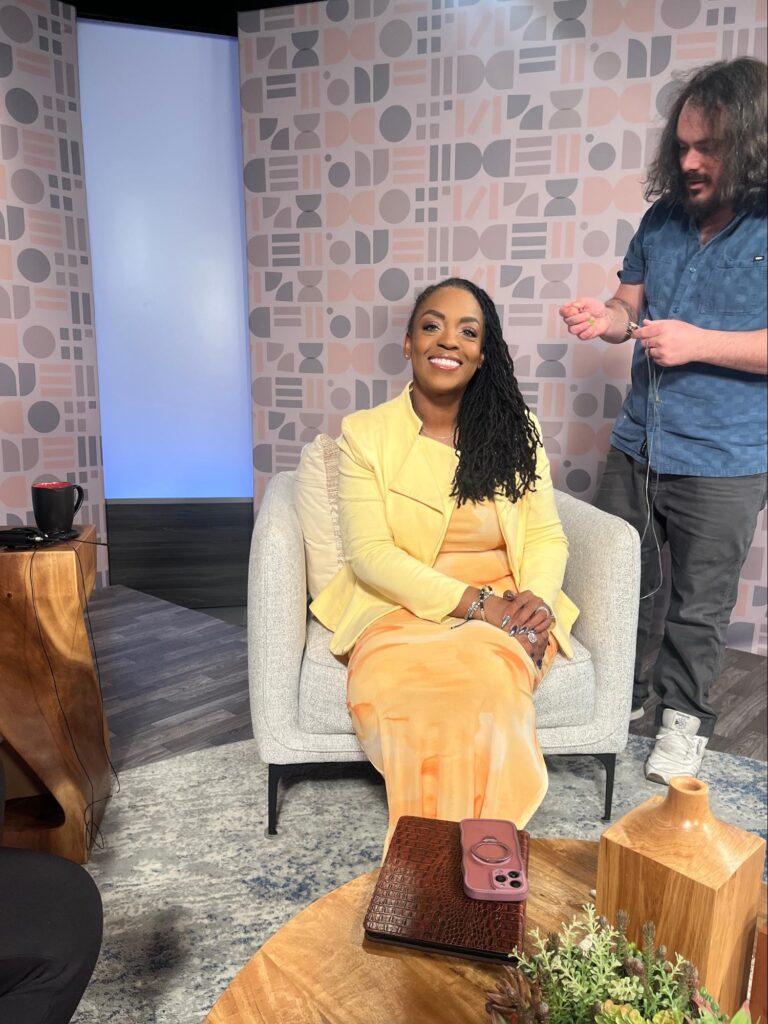
The takeaway from the Black Issues Forum was clear: support is available, but advocacy and systemic change are required to ensure that access is equitable for every North Carolinian. Additionally, the importance of Black Issues Forum for making space for this conversation and moving forward a focus on Black mental health and accessibility.
