
By Jordan Meadows
Staff Writer
A new exhibit from the state archives is shining a light on stories long left in the margins.
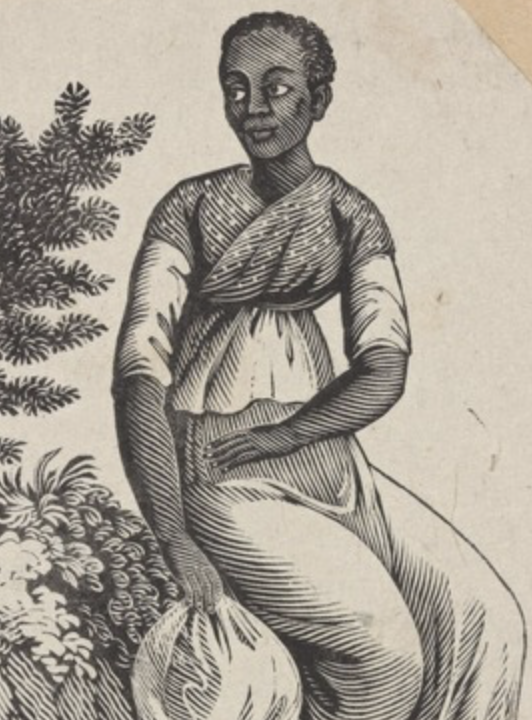
Through MosaicNC, an initiative of the North Carolina Office of Archives and History, the state is elevating the voices of free women of color who lived through and helped sustain the American Revolution. The exhibit, led by the North Carolina Department of Natural and Cultural Resources, centers on a collection titled North Carolina’s Women of the Revolution: In Their Own Words, with a special focus on “Free Women of Color.” Drawing from Revolutionary War pension applications, the project reveals the lived experiences of women whose contributions to the Patriot cause were historically overlooked.
Contrary to common assumptions about 18th-century North Carolina military policy, Patriot forces were integrated. White men and free men of color served alongside one another in the state militia and Continental Line with no distinction in pay or official status. Prior to the state’s 1835 constitutional revision, all free adult men—regardless of race—were subject to the draft.
While George Washington was hesitant at the "Federal" (Continental) level, the North Carolina militia operated under its own state laws. North Carolina had a relatively large population of Free People of Color, and because they were already "freemen" and taxpayers, North Carolina viewed them as part of the "body politic" obligated to defend the state–Unlike South Carolina or Georgia, which remained terrified of arming Black men until the very end.
Military payrolls and discharge papers rarely noted a soldier’s race, underscoring what historians describe as a bureaucratically colorblind structure during the war. It is often only through later pension applications that researchers can identify a veteran as a man of color.
Behind these soldiers stood wives and families who sustained farms, protected children, and kept communities functioning amid wartime disruption. For free women of color, those responsibilities came with additional layers of vulnerability.
Nearly 250 years after the Revolution, women’s contributions remain less understood than those of their husbands. The pension applications featured in the exhibit offer rare first-person testimony. Although many of these women were largely illiterate and rarely appear elsewhere in the written record, the pension process required them to recount their wartime experiences in detail. These documents reveal women acting as farmers, nurses, refugees, and family guardians. They also expose the obstacles they faced in seeking recognition.
Among the women highlighted at the exhibit is Rachel Locus. While her husband Valentine served as a private in the Continental Line for two years, Rachel cared for their children, grew crops and managed their homestead. After the war, the family settled in Wake County near Lick Creek. In 1801, a group of white men forced their way into the Locus home and abducted two of their children, Absalom and Polly. During the attack, Rachel and Valentine were beaten badly. The abductors likely intended to sell the children into slavery in the Deep South, despite their legal status as free people of color.
Though Absalom and Polly managed to escape and return home, the perpetrators were never identified or charged.
After Valentine’s death in 1811, Rachel raised eight children on her own. In 1838, she applied for a Revolutionary War widow’s pension. Even after her claim was approved, she encountered further injustice: in 1839, she wrote to the Secretary of War explaining that her pension agent had been collecting and keeping her payments. Only after federal intervention did she receive the benefits owed to her.
In another presentation, a 24-year-old Granville County free woman of color, Nelly Taburn, was living near Fishing Creek when the Revolution began. Born free, she and her husband, William, participated in the war effort just as their white neighbors did. William was drafted for three separate terms, spending more than ten months in service. During his absences, Nelly cultivated crops and sustained their growing family.
Yet when William later applied for a pension, federal officials subjected his claim to unusual scrutiny. The U.S. Pension Commissioner reportedly doubted that an African American man could have served alongside white soldiers. Affidavits from fellow soldiers and officers were not enough. Only after North Carolina’s Secretary of State confirmed that free men of color had indeed been subject to the draft did the claim proceed.
By that time, William was described as “almost blind” and living in the county poorhouse. After his death in 1835, Nelly applied as a widow. Records suggest she may have spent her final years living with family.
Free women of color had never been permitted to vote, and all faced restrictions in court. For families like the Taburns and the Locuses, these legal barriers compounded everyday hardships.
By focusing on free women of color, MosaicNC’s exhibit challenges narrow interpretations of Revolutionary history. It reminds North Carolinians that the ideals of “life, liberty, and the pursuit of happiness” were defended in farm fields, homesteads and courtrooms–just as much as the battlefield.
