
NC NEWSLINE – Nearly 3,000 North Carolinians could lose housing under changes to the U.S. Department of Housing and Urban Development’s [HUD] competitive grant program for permanent housing, according to an estimate by the National Alliance to End Homelessness.
The alliance and other advocates are bracing for HUD reforms that will dramatically change the way the federal government funds permanent housing assistance programs.
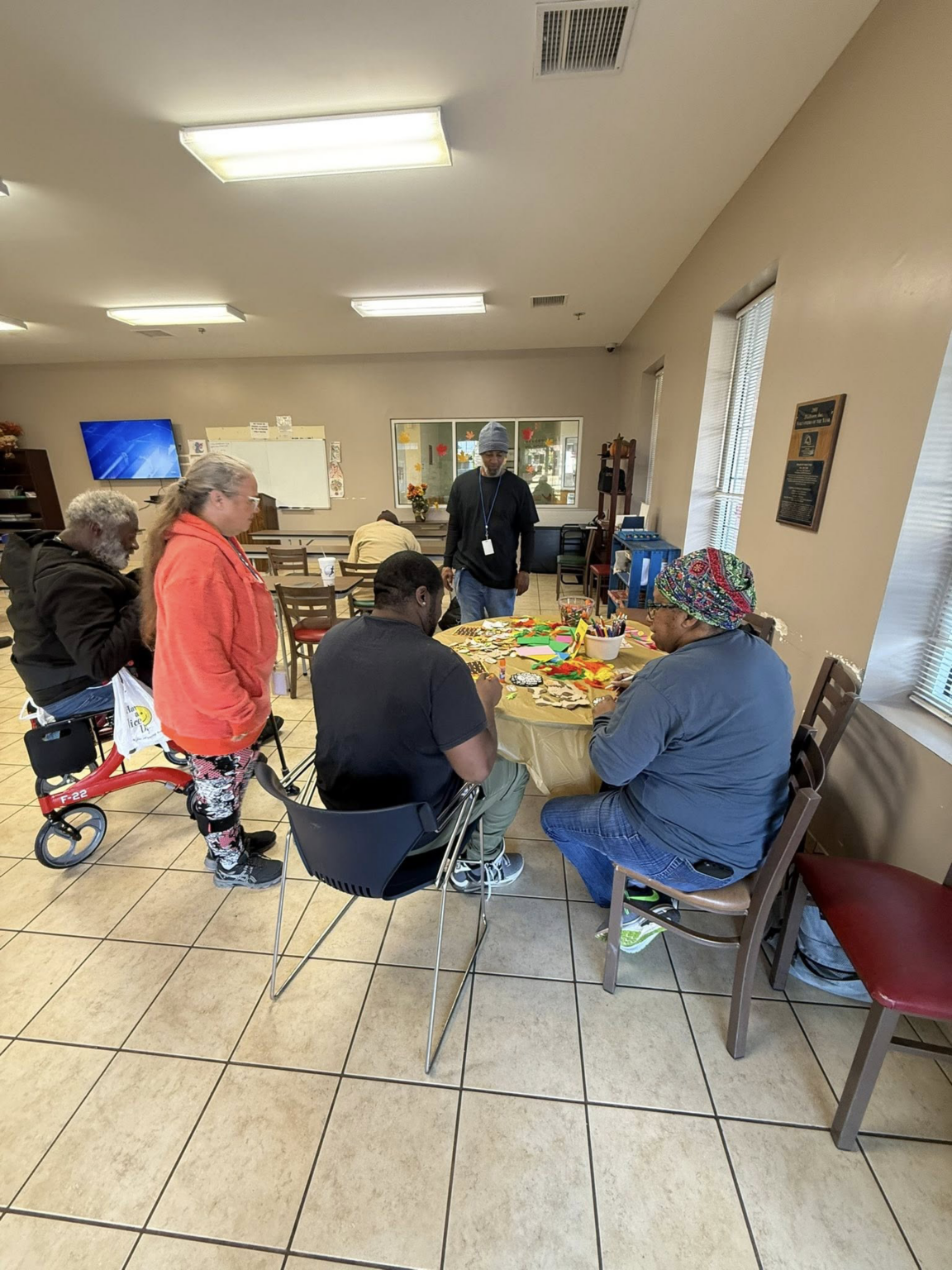 The changes could cost the state more than $24 million in funding for programs that house people experiencing homelessness, the organization told N.C. Newsline. Nationally, more than 170,000 people could be at risk of homelessness due to changes to the $3.9 billion grant program, the alliance said.
“Without that funding, it means services are disrupted, if not stopped altogether,” said Marcy Thompson, the alliance’s vice president of programs and policy. “If they [service providers] can’t continue operating, landlords don’t get rent. It creates a lot of distrust within the community.”
Grant reapplication required
At issue are federal Continuum of Care (CoC) grants, which is the largest federal grant program specifically for assisting people experiencing homelessness.
The competitive grants are awarded on a two-year cycle, but HUD has required a new competition one year into the funding cycle.
“What we know is, there was originally a two-year promise,” said Liz Carbone, project specialist with the North Carolina Coalition to End Homelessness. “That promise has been walked back.”
Carbone said the new competition could delay funding until spring for some awardees, leaving nonprofits scrambling to fill funding gaps to pay rent.
“We know that conservatively, best case, we will not see awards in our state until the end of May,” Carbone said. “The funding delay alone is going to be so deeply painful for our state.”
Most communities do not have the resources on hand to fill funding gaps if there are significant delays in grant awards, Carbone said. “If communities feel the need to assume these programs and keep them going, which I think most communities will, that’s a cost to the local taxpayer.”
Federal money for homeless programs is dispersed through 12 Continuums of Care in North Carolina. Most are focused on larger cities such as Asheville, Charlotte, Durham, Raleigh and Wilmington.
Program priorities reversed
The controversial program changes come as HUD breaks from the long-favored “Housing First” approach, which prioritizes providing immediate access to permanent housing without prerequisites. HUD is moving to a transitional housing approach that includes work and sobriety requirements.
“These long-overdue reforms will promote independence and ensure we are supporting means-tested approaches to carry out the President’s mandate, connect Americans with the help they need, and make our cities and towns beautiful and safe,” HUD Secretary Scott Turner said in a statement announcing the changes.
One of the HUD reforms caps the amount of funding that each Continuum of Care (CoC) can use for permanent housing at no more than 30% of CoC funding. Currently, 87% of CoC-funded projects are for permanent housing or rapid-rehousing.
A new scoring criteria penalizes nonprofits competing for federal grants if they are located in areas that don’t, for example, have public camping bans in place. A statewide bill in North Carolina to enact such a ban stalled in the state Senate but some local municipalities have such bans in place.
In July, President Trump issued an executive order that directed the HUD secretary and other cabinet secretaries to “determine whether priority” for grants may be given to grantees in states and municipalities that actively enforce prohibitions on urban camping and loitering, open illicit drug use and urban squatting.
The policy changes also penalize nonprofits for promoting diversity, equity and inclusion (DEI) or “gender ideology extremism,” and for the alleged “misuse of and abuse of taxpayers dollars on illegal aliens.”
“Some of the things that HUD is essentially penalizing organizations and communities for are things that were required of them in the last administration,” said Marcy Thompson at the National Alliance to End Homelessness. “There’s no community, no organization that is not at risk of being impacted here.”
Twenty congressional Republicans have asked HUD Secretary Scott Turner to renew grants expiring in 2026 for an additional year.
“This extension is essential to prevent service disruptions for individuals and families experiencing homelessness, sustain continuity of care for vulnerable populations, and allow HUD adequate time to implement its next generation of homelessness policy reforms,” the Republicans said in a letter to Turner.
While none of North Carolina’s congressional Republicans signed the letter, Carbone said advocates have had “super productive conversations” with several GOP U.S. House members and Republican U.S. Sens. Ted Budd and Thom Tillis.
“They see the impacts that this is going to have, not just in the cities, but in the rural communities, and what this is going to do to North Carolina’s ability to keep the most vulnerable people in our state housed,” Carbone said.
“Regardless of your political affiliation … we all care about seniors, we all care about families with young kids and we all care about veterans,” Carbone said.
Impact on the ground
In Statesville, Tamara Roach, executive director of Fifth Street Ministries, is three months into her new job. Roach would like to spend time meeting with donors, reviewing programs and preparing Thanksgiving meals the nonprofit will provide on Thursday.
But recent days have been hectic. Roach has been busy with paperwork to meet this past Monday’s deadline for “letters of intent” to apply for the new HUD grants. Formal applications are due Jan. 14, she said.
Nonprofits were only given a week to respond, she said.
“I don’t think that providers are panicking, but we are paying attention,” Roach said. “It’s a very quick turnaround.”
She said it’s healthy that HUD has asked providers to rethink models, reexamine how they define a disability and to discuss which services are leading to long-term housing stability.
“It’s just that we’re not being given much time at all to think about this and pivot,” Roach said. “I think some decisions folks are going to make are not going to be popular, but people can’t keep doing what they’ve always been doing without other collaboration and without other partners stepping up.”
To illustrate how funding changes could impact her organization, Roach shared a story about a client who lived in her car for months. Under the current funding model, Fifth Street Ministries, placed her in rapid rehousing, signed her up for counseling, connected her to medication to treat a bipolar disorder and enrolled her in a job training program.
Today, the client is housed and stable, Roach said
“Under the new criteria, she may no longer qualify for that pathway because her bipolar disorder is no longer considered a disability,” Roach said. “If something happens and she’s not supported, it’s not as if she’s going to disappear. She’s going to cycle back to living in cars and shelters.”
