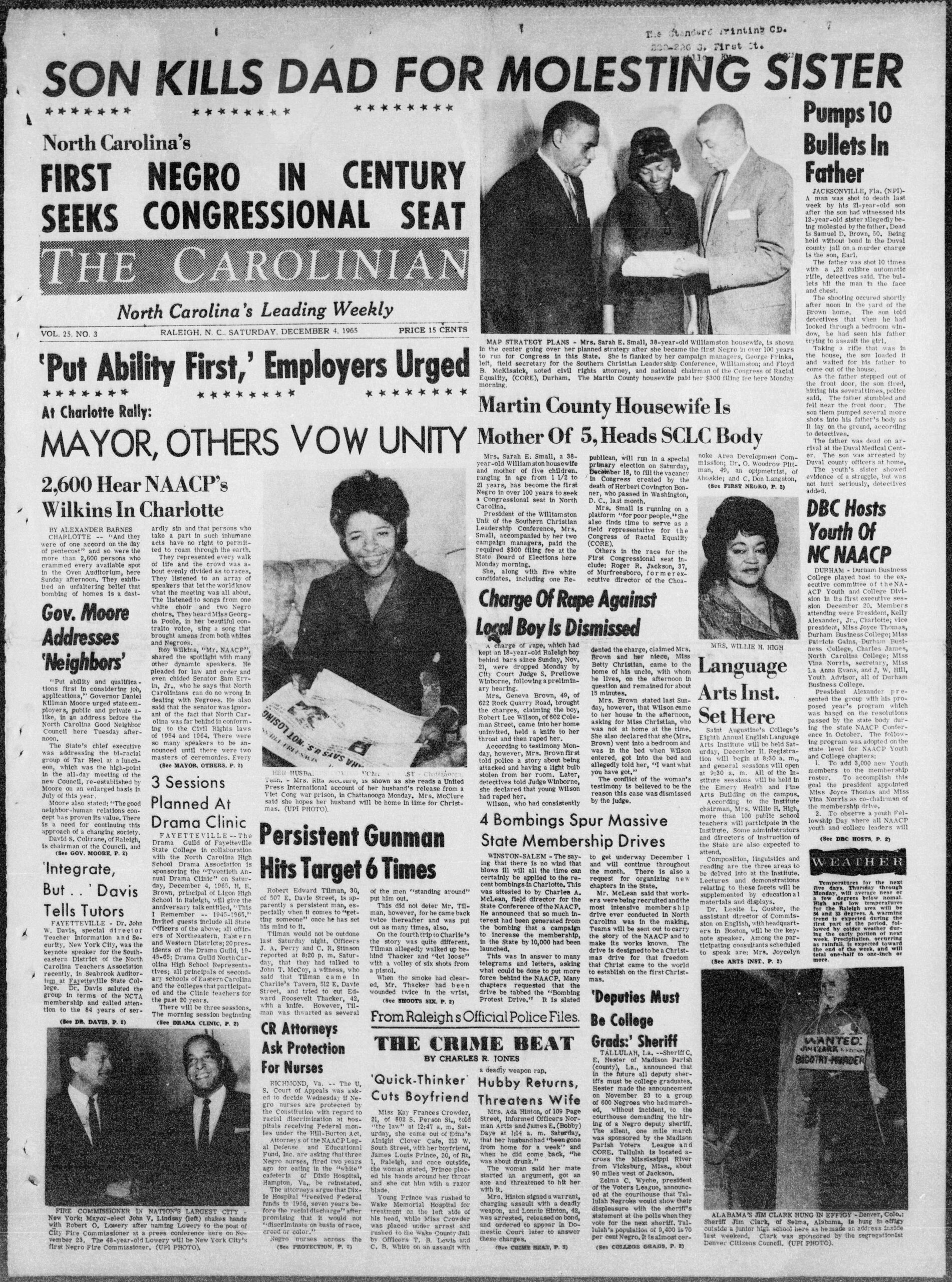
The year 1965 stands out as one of the most pivotal, and violent years in the history of the Civil Rights Movement. It was a year marked not only by powerful acts of resistance and monumental legislative change, but also by a devastating wave of violence both within Black communities and waged against them by institutions, vigilantes, and deeply embedded systems of racism.
At the center of this turbulent year was the escalating struggle for voting rights. Although the Civil Rights Act of 1964 outlawed segregation, it did not dismantle the deeply entrenched system of disenfranchisement that kept millions of Black Americans from voting. When activists intensified efforts to register voters, they were met with brutal force — most notoriously in Selma, Alabama.
On March 7, 1965, a date forever etched in history as “Bloody Sunday,” peaceful marchers attempting to cross the Edmund Pettus Bridge were attacked by state troopers and sheriff’s deputies armed with clubs, tear gas, and whips. The violence was broadcast on national television, showing the country how far authorities were willing to go to suppress the political power of Black Americans. John Lewis, Amelia Boynton, and dozens more were beaten unconscious. The images shocked the nation, underscoring the deadly risks Black citizens faced simply for demanding basic rights.
But violence did not only come from the state. Throughout 1965, white supremacist groups such as the Ku Klux Klan intensified terror campaigns across the South. Shootings, arson attacks, and bombings targeted civil rights workers and Black families who dared challenge racial hierarchies. In March of that year, Reverend James Reeb, a white ally supporting the Selma movement, was beaten to death by segregationists. The act was meant to intimidate activists and halt the momentum toward change.
Simultaneously, Black communities were experiencing internal violence fueled by poverty, unemployment, housing discrimination, and the daily trauma of racism. These conditions contributed to the outbreak of the Watts uprising in Los Angeles in August 1965. Sparked by a violent encounter between police and a Black motorist, the six-day uprising reflected long-standing grievances against police brutality, inadequate housing, and economic exclusion. The uprising left 34 people dead, most of them Black, and exposed the profound frustration simmering beneath the surface in urban communities far from the Jim Crow South.
The violence of 1965 laid bare a critical truth: racism was not limited to southern sheriffs or extremist groups. It was woven into policing, politics, housing policy, and national consciousness. Yet the year also demonstrated the extraordinary resilience of the Black community. Despite the brutality, activists continued to march, organize, and demand justice. Their perseverance led directly to the passage of the Voting Rights Act of 1965, one of the most significant civil rights achievements in American history.
Ultimately, 1965 revealed both the scale of violence required to maintain an unequal society and the strength of a community determined to dismantle it. It remains a stark reminder that progress in America has never been inevitable. It has always been fought for, often at great cost, by those who refused to accept injustice.
